Rathothsavam of new golden chariot of Sri Ekambaranathar temple held
Source Entity
India Latest News: Top National Headlines Today & Breaking News | The Hindu
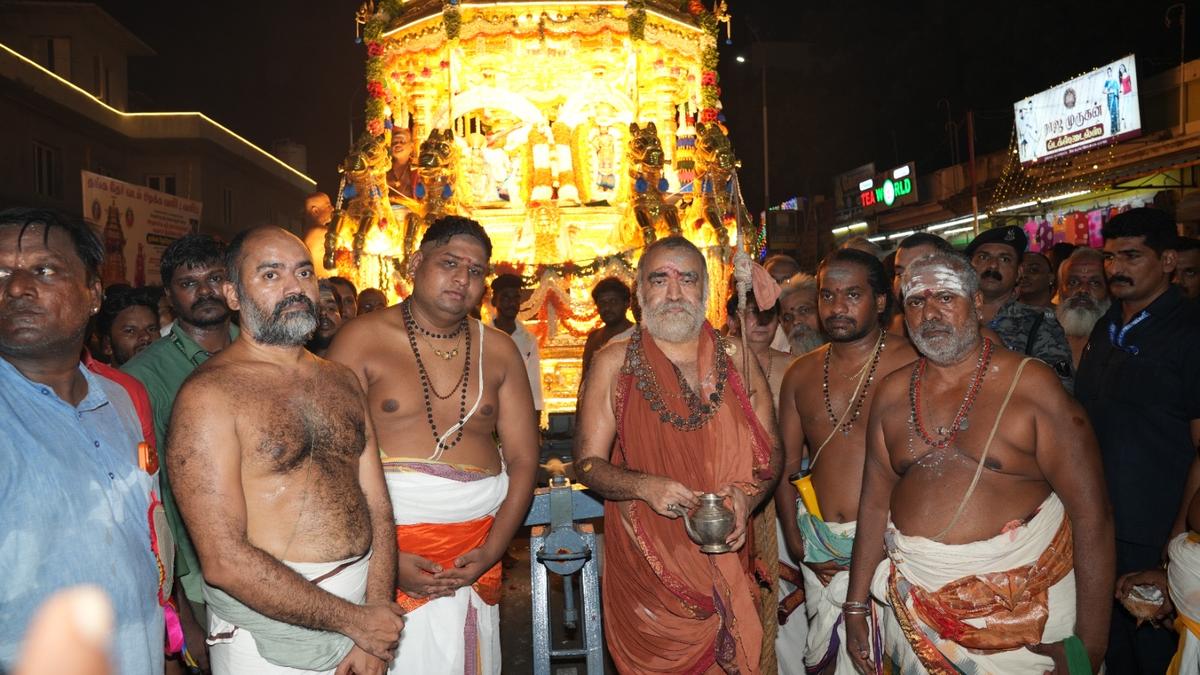
The golden chariot was first conceived by Sri Jayendra Saraswathi Shankaracharya Swamigal
The Divine Procession: Celebrating the New Golden Chariot of Sri Ekambaranathar Temple
The recent celebration of the Rathothsavam, or chariot festival, featuring the new golden chariot at the Sri Ekambaranathar temple, marks a significant spiritual and cultural milestone for the region. This event is not merely a religious procession but a manifestation of deep-rooted faith and artistic devotion. The introduction of a golden chariot adds a layer of celestial grandeur to the temple's existing traditions, symbolizing the divine radiance of the deity as he is taken through the streets to bless the devotees who may not be able to enter the inner sanctum.
The Visionary Influence of Sri Jayendra Saraswathi
At the heart of this achievement is the spiritual foresight of Sri Jayendra Saraswathi Shankaracharya Swamigal. The conception of the golden chariot was not an overnight decision but a vision held by the Swamigal to enhance the glory of the temple and provide a more majestic vehicle for the deity's periodic outings. His role underscores the continuing influence of the Kanchi Kamakoti Peetham in preserving and enriching the temple traditions of South India. By envisioning a chariot crafted from gold, the Swamigal sought to blend material excellence with spiritual devotion, ensuring that the physical vessel reflects the infinite value of the divine presence it carries.
Spiritual Significance of Sri Ekambaranathar Temple
To understand the weight of this event, one must consider the status of the Sri Ekambaranathar temple. As one of the Pancha Bhoota Stalam—the five temples representing the five elements of nature—this temple represents the element of 'Earth' (Prithvi). The Rathothsavam serves as a bridge between the stationary divinity of the temple and the living community. When the deity descends from the temple upon the golden chariot, it symbolizes the accessibility of God to all strata of society, regardless of caste or status, reinforcing the inclusive nature of the Bhakti movement.
Artistry and Ritualistic Importance
The construction of a golden chariot is a feat of both engineering and sacred art. Such chariots are designed based on strict Agamic scriptures, ensuring that every carving and proportion aligns with cosmic laws. The use of gold is not for ostentation but serves a symbolic purpose: gold is considered a pure metal that does not tarnish, mirroring the eternal and incorruptible nature of the soul and the divine. The movement of this chariot during the Rathothsavam is believed to purify the environment and bring prosperity to the town of Kanchipuram and its inhabitants.
Socio-Cultural Impact and Community Cohesion
Events like the Rathothsavam act as powerful catalysts for community cohesion. The pulling of the chariot is a collective effort, where thousands of devotees work in unison, symbolizing the shared journey of humanity toward spiritual liberation. This specific festival, bolstered by the new golden chariot, is expected to increase the influx of pilgrims and tourists, thereby boosting the local economy of Kanchipuram. The event reinforces the city's identity as a center of learning, weaving, and spirituality, ensuring that the youth remain connected to their ancestral heritage.
Future Trends in Temple Heritage
Looking forward, the introduction of the golden chariot sets a precedent for the revitalization of temple assets across India. There is a growing trend of integrating traditional craftsmanship with high-value materials to preserve the 'royal' aesthetic of ancient Indian temples. As heritage tourism grows, the Sri Ekambaranathar temple is likely to see an increase in global visibility. The continued patronage of spiritual leaders and the community will likely lead to further restorations and the introduction of other ritualistic artifacts, ensuring that the temple remains a living museum of Vedic culture.
Summary
In conclusion, the Rathothsavam of the new golden chariot at Sri Ekambaranathar temple is a triumphant blend of spiritual vision and communal devotion. From the initial conception by Sri Jayendra Saraswathi Shankaracharya Swamigal to its eventual manifestation, the chariot stands as a symbol of faith. By honoring the Earth element and the tradition of the Pancha Bhoota Stalam, the temple continues to serve as a beacon of spiritual light and cultural continuity for millions of devotees.
Verification Required?