Benny Johnson, Nick Sortor face scrutiny for continuing to push mental health facility claims about James Talarico
Source Entity
Latest News: Todays Latest News Headlines from India & World | Hindustan Times | Hindustan Times
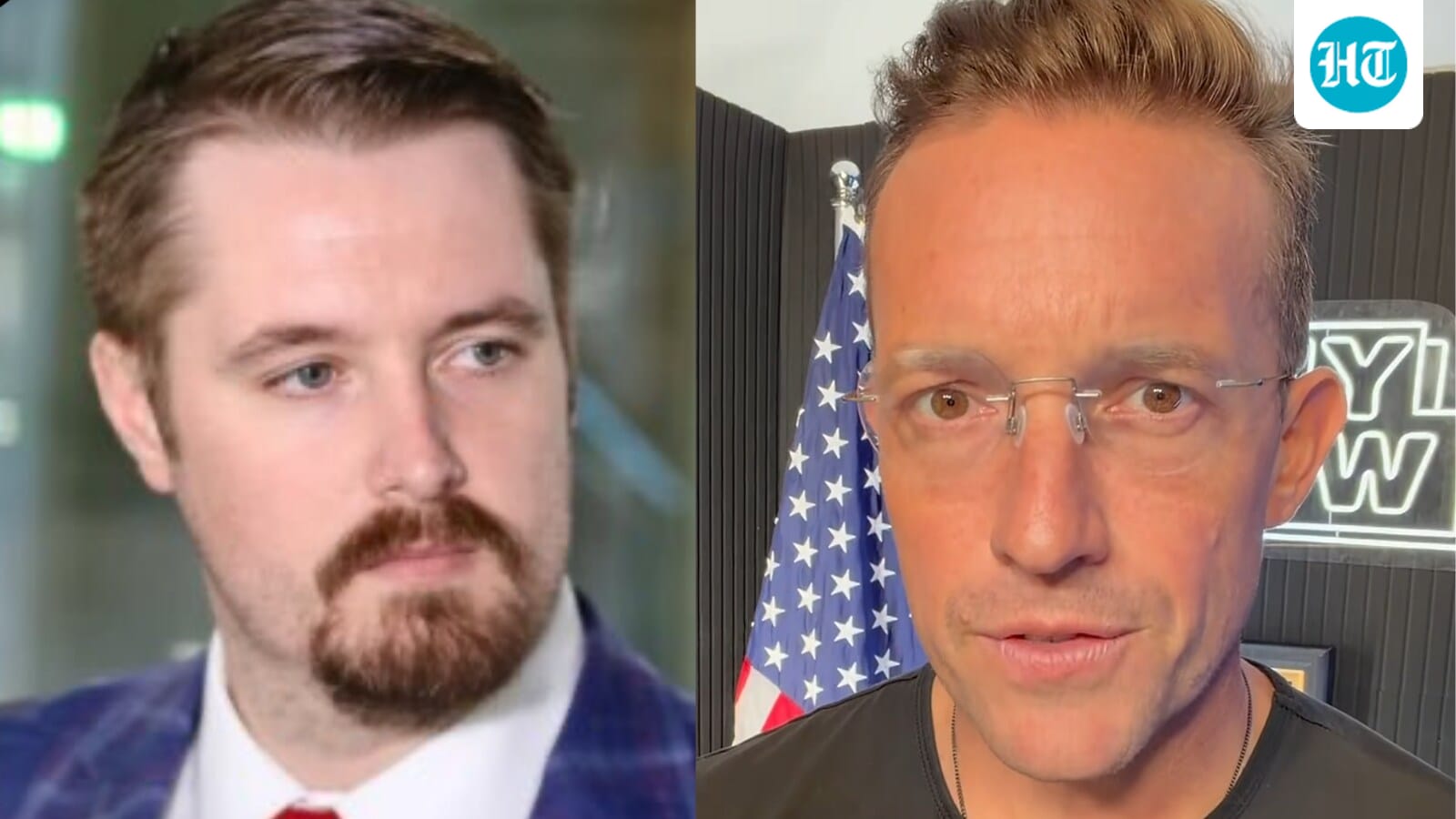
Conservative commentators Benny Johnson and Nick Sortor are under fire for promoting unverified claims regarding Texas politician James Talarico's recent absence. The campaign maintains he was recovering from the flu, contradicting the influencers' theories about a mental health facility stay.
The Intersection of Political Speculation and Digital Accountability
Recent events involving Texas Democratic political figure James Talarico have brought the risks of digital-era political discourse into sharp focus. Conservative commentators Benny Johnson and Nick Sortor have faced significant scrutiny for their roles in circulating unverified claims concerning Talarico’s two-week absence from the public campaign trail. By leveraging an audio recording allegedly linked to a mental health facility in Ohio, these influencers attempted to substantiate theories regarding the candidate's whereabouts, sparking a broader debate about the ethics of online political commentary.
The Anatomy of the Allegations
The controversy centers on an audio recording shared by Nick Sortor and fellow commentator Rhein Amacher, which purportedly captures a phone call to the Lindner Center of Hope in Mason, Ohio. In the recording, an unidentified voice appears to confirm that a patient was "just discharged this evening." By broadcasting this audio to their respective audiences, Johnson and Sortor framed Talarico’s absence not as a routine health issue, but as a potential stay at a mental health facility. This narrative shift serves as a primary example of how unverified audio snippets are used to bypass traditional journalistic verification processes.
The Campaign's Counter-Narrative
In direct opposition to these claims, representatives from James Talarico’s campaign have consistently maintained that his absence was due to a standard recovery period following a bout with the flu. This stark discrepancy between the campaign’s official explanation and the speculative digital narrative highlights the modern challenge of political messaging. When influencers with substantial reach prioritize sensationalism over verified health data, it complicates the public’s ability to discern between legitimate political reporting and partisan conjecture.
Broader Implications for Political Discourse
The scrutiny faced by Johnson and Sortor underscores a growing trend in which digital personalities act as auxiliary media entities, often operating without the rigorous fact-checking standards of institutional journalism. By pushing unverified health-related narratives about a public official, these commentators have ignited a firestorm regarding the boundaries of privacy and the ethics of political campaigning. The reliance on ambiguous, third-party audio recordings to suggest sensitive medical information creates a dangerous precedent where personal privacy is sacrificed for political engagement.
Historical Context and Future Trends
Historically, the weaponization of a candidate's health status has been a recurring tactic in political warfare, intended to cast doubt on their fitness for office. However, the speed and scale at which these claims can now proliferate via social media platforms, such as Instagram, significantly amplify their impact. As we move further into the digital age, the trend of using "leaked" or "unverified" audio to drive political narratives is likely to increase. This necessitates a more discerning public and a higher standard of accountability for those who command large digital audiences, as the consequences of spreading misinformation can have profound impacts on electoral integrity and individual reputation.
Verification Required?