Protests will happen not just in Delhi but whole country: CJP
Source Entity
India Latest News: Top National Headlines Today & Breaking News | The Hindu
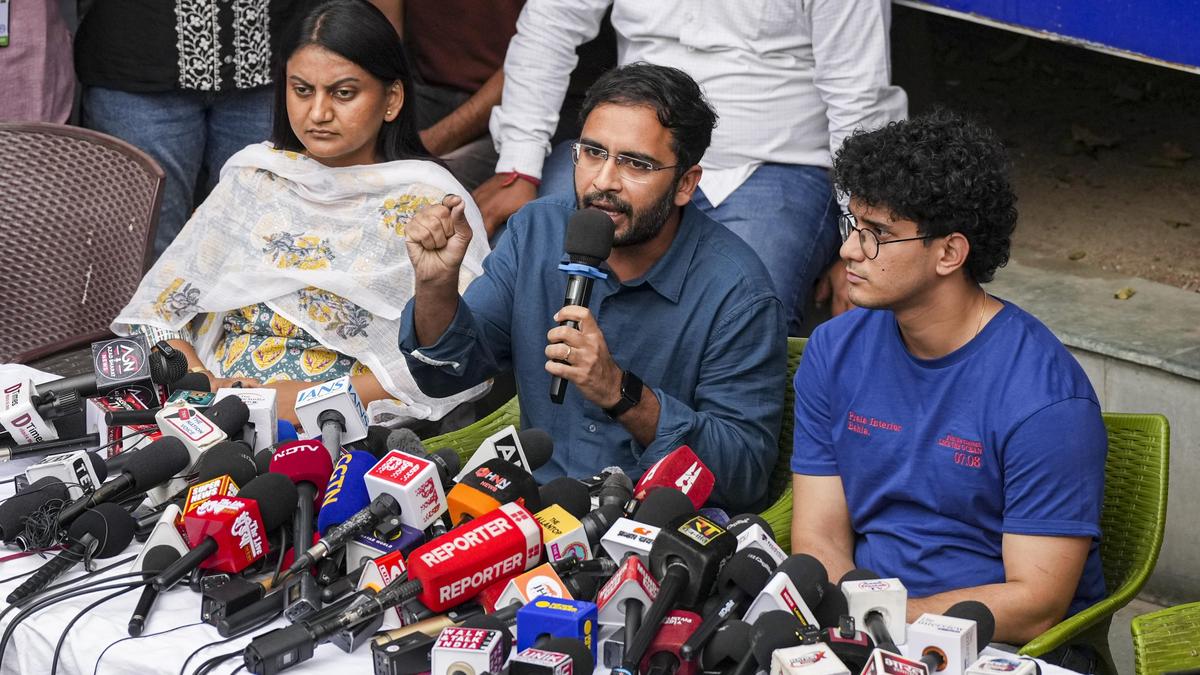
Authorities in Gautam Budh Nagar and Delhi have implemented strict security measures, including Section 163 of the BNSS and mass detentions, to manage a protest by the Cockroach Janta Party. With 35,000 security personnel deployed, officials are focusing on preventing potential civil unrest and violence.
Heightened Security Measures in the National Capital Region
In anticipation of the 'Jantar Mantar 2.0' protest organized by the Cockroach Janta Party (CJP), security agencies in the National Capital Region have initiated a massive preemptive operation. The Gautam Budh Nagar police have officially imposed restrictions under Section 163 of the Bharatiya Nagarik Suraksha Sanhita (BNSS), 2023, which will remain in effect until October 20. These measures are designed to mitigate the risk of civil disorder during a period of heightened political tension.
The Scope of Preventive Restrictions
The order issued by the Gautam Budh Nagar commissionerate is comprehensive, banning unauthorized public gatherings and processions. Specifically, groups of five or more people are prohibited from congregating on public roads or intersections without explicit permission from senior police officials. Furthermore, the authorities have implemented a strict ban on the storage of materials that could be weaponized, such as bricks, stones, and inflammable substances, and have explicitly outlawed the burning of effigies.
Strategic Deployment and Operational Tactics
To manage the protest against the Election Commission and specific officials, the Delhi Police have activated a robust security apparatus. A force of approximately 35,000 personnel has been deployed throughout the city to maintain order. This strategy includes the implementation of road blockades and localized movement restrictions. The operational plan also accounts for potential disruptions to public infrastructure, including Metro services and the functioning of certain commercial markets, as authorities prioritize public safety over convenience.
Preemptive Detentions and Intelligence Gathering
Intelligence-led operations have been a cornerstone of the current security strategy. In an overnight sweep across 15 districts, the Delhi Police detained at least 100 individuals with existing criminal records. According to law enforcement sources, these individuals were suspected of planning to infiltrate the CJP protest. This move highlights the police department's intent to neutralize agitators before they can reach the demonstration site at Jantar Mantar.
Regulatory Hurdles and Legal Context
The protest itself faces significant legal challenges. The Delhi Police formally denied permission for the gathering, citing the organizers' failure to comply with conditions established during previous demonstrations. Joint Commissioner of Police (New Delhi) Nupur Prasad noted that the request for authorization was submitted at the last minute, further complicating the administration's ability to facilitate a peaceful event. This rejection serves as the legal basis for the ongoing preventive detentions.
Future Implications for Public Order
The current situation underscores a growing trend of intense administrative scrutiny regarding large-scale political demonstrations. As the authorities utilize the provisions of the BNSS to enforce order, the balance between the right to protest and the necessity of public security remains a central theme. The ongoing row involving the Election Commission suggests that political instability may persist, potentially leading to continued strict enforcement measures until the current security mandate expires on October 20.
Multiple Citing Sources
Verification Required?