Congress could reiterate request for meeting with CJI today
Source Entity
TNN
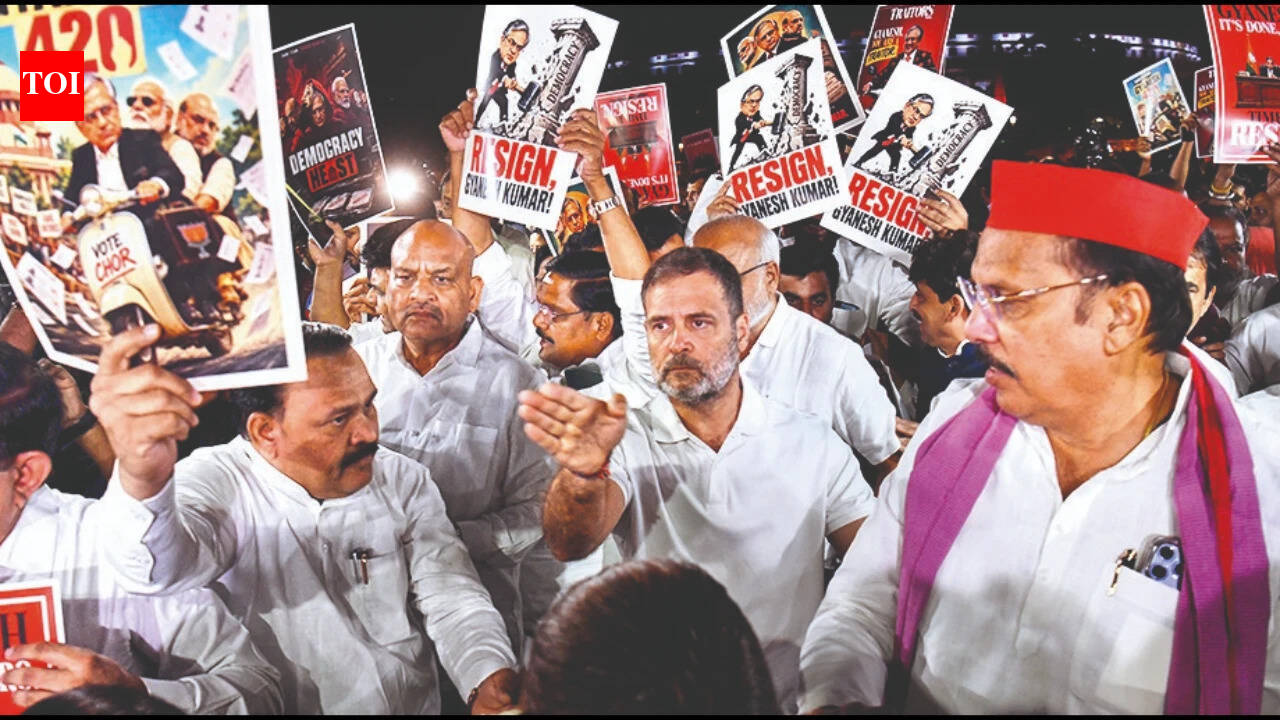
The Congress party is seeking a meeting with Chief Justice of India Surya Kant regarding the controversial SIR-CEC issue. Following the rejection of their initial appointment request, the party leadership is considering reiterating their demand despite the procedural unconventionality of such a high-level meeting.
The Impasse Over the SIR-CEC Issue
The political landscape in New Delhi has become increasingly strained as the Indian National Congress attempts to engage directly with the judiciary regarding the SIR-CEC issue. Following a planned march to the Supreme Court that was intended to facilitate a meeting with Chief Justice of India (CJI) Surya Kant, the party now faces a procedural roadblock after their initial request for an appointment was formally declined late Sunday.
Procedural Norms and Political Strategy
The request for a direct meeting between a major political party and the Chief Justice of India is largely unprecedented in the contemporary Indian context. Legal experts and opposition observers have expressed significant surprise, noting that such an interaction would represent a departure from established institutional boundaries. By attempting this high-level outreach, the Congress party is signaling the gravity they attribute to the SIR-CEC controversy, effectively moving the dispute from the electoral arena into the judicial spotlight.
Leadership Involvement and Internal Pressure
Congress President Mallikarjun Kharge had publicly indicated via social media that a meeting was scheduled, a declaration that heightened expectations within the opposition bloc. The subsequent rejection of this request has forced the party leadership into a reactive stance. The commitment to this cause is evident in the actions of senior leaders, most notably Rahul Gandhi, who canceled a scheduled campaign event in Goa to remain focused on the party's response to this unfolding development.
The Path Forward
As the Congress brass considers reiterating their request for a meeting this Monday, they are navigating a precarious path. Should they proceed with another protest program or a second formal request, they risk further institutional friction with the judiciary. The party’s persistence suggests that they view the SIR-CEC matter as a critical pillar of their current political platform, necessitating a direct, albeit unconventional, line of communication with the highest court in the land.
Broader Implications for Democracy
This incident highlights the ongoing tension between political executive oversight and judicial independence. When political entities attempt to bypass traditional channels to address concerns with the judiciary, it raises questions about the health of institutional checks and balances. The outcome of this standoff will likely set a precedent for how political parties interact with the Supreme Court on policy-related grievances in the future, marking a significant moment in the intersection of Indian politics and judicial administration.