As RTI Act turns 21, activists assaulted in movement’s birthplace
Source Entity
Hamza Khan
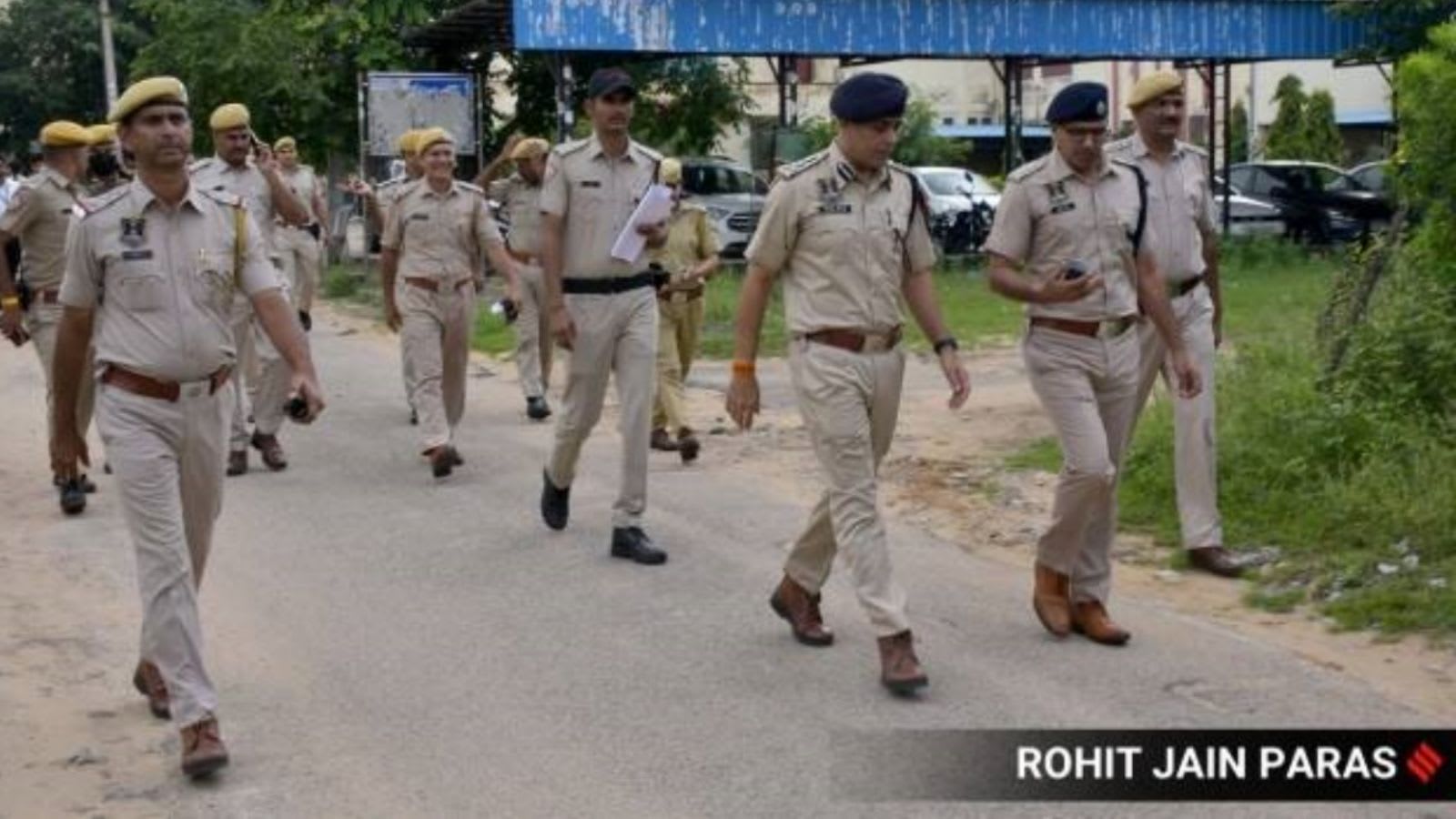
Social activists were assaulted in Beawar, the birthplace of the RTI movement, during a commemorative 'Ghotala Rath Yatra'. The incident, occurring on the 21st anniversary of the RTI Act, marks a concerning escalation against transparency advocacy.
Assault on Transparency: The Beawar Incident
On the eve of the 21st anniversary of the Right to Information (RTI) Act, a disturbing incident occurred in Beawar, Rajasthan—a town historically recognized as the birthplace of the RTI movement. While activists from the Mazdoor Kisan Shakti Sangathan (MKSS) and local citizens were participating in the 'Ghotala Rath Yatra,' a peaceful procession intended to commemorate two decades of legislative transparency, the event was violently disrupted. Reports indicate that a group of men confronted the participants near Chang Gate, leading to the physical assault of social activists and women involved in the march.
The Historical Significance of Beawar
To understand the gravity of this attack, one must acknowledge Beawar’s unique role in Indian democracy. It was in this region that the movement for the right to information first gained significant momentum, evolving from local demands for wage transparency into a national movement that culminated in the landmark RTI Act of 2005. By targeting a procession in this specific location, the assailants did not just attack individuals; they attacked a symbolic site of civic empowerment and accountability.
Analyzing the 'Ghotala Rath Yatra'
The 'Ghotala Rath Yatra' was organized as a public awareness initiative, reflecting the core mission of the MKSS: to ensure that the government remains accountable to the common citizen. The timing of the event—coinciding with the anniversary of the RTI Act—was clearly intended to highlight the ongoing necessity of transparency in governance. The fact that this procession was met with physical violence suggests a direct pushback against the principles of public disclosure and scrutiny that the RTI movement champions.
The Implications for Civic Space
The assault on activists and women participants during a public demonstration is a concerning development for civil society in India. Freedom of expression and the right to peaceful assembly are foundational to the functioning of an RTI-enabled democracy. When such expressions are silenced through violence, it creates a chilling effect on grassroots activism, potentially discouraging ordinary citizens from demanding accountability from local authorities or questioning potential instances of corruption.
Future Trends and Security Concerns
Moving forward, the protection of activists who operate in the transparency space remains a critical challenge. As the RTI Act ages, the mechanisms for its enforcement must be coupled with the safety of those who utilize the law to expose systemic issues. Future trends suggest that if local authorities do not take decisive action against such acts of intimidation, the space for advocacy will continue to shrink, undermining the legacy of the RTI movement. Ensuring that public processions can proceed without fear of physical reprisal is essential for maintaining the health of local democratic discourse.
Conclusion
The attack in Beawar serves as a somber reminder that the fight for transparency is far from over. As the nation reflects on 21 years of the RTI Act, the incident underscores the persistent tension between those advocating for open governance and those who seek to suppress such oversight. Protecting the safety of activists is not merely a legal obligation but a moral imperative to preserve the democratic values born from this very town.