Trump’s oceans? US President wants to rename either Atlantic or Pacific
Source Entity
Latest News: Todays Latest News Headlines from India & World | Hindustan Times | Hindustan Times
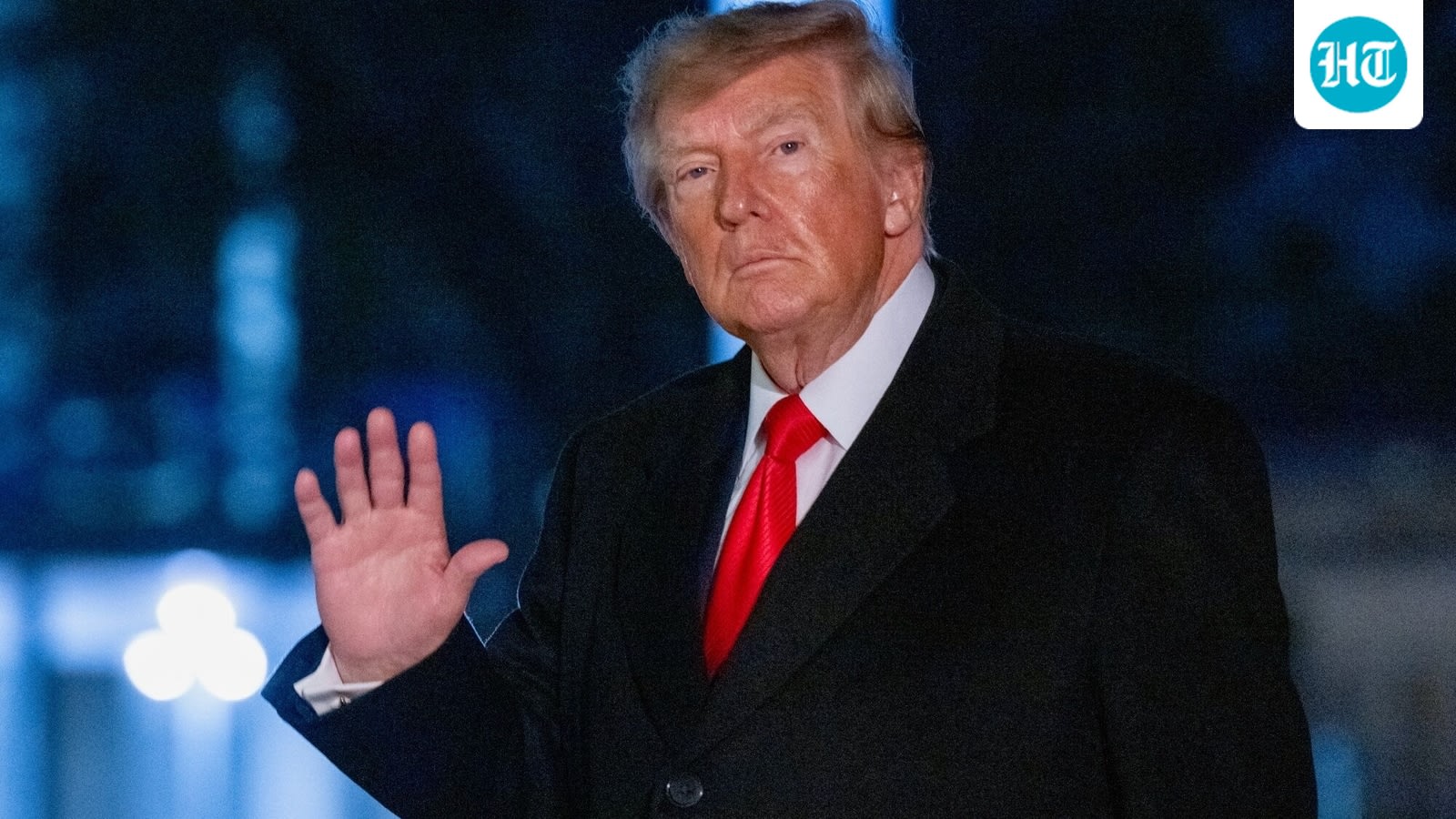
President Donald Trump has expressed an intent to rename a major ocean and river before his term ends. He proposed titles like 'Ocean of the Americas' or 'Trump Ocean,' following his earlier symbolic renamings of other geographic landmarks.
The Geopolitical Symbolism of Geographic Renaming
President Donald Trump’s recent declaration at a campaign rally in Clarksville, Tennessee, regarding his intent to rename either the Atlantic or Pacific Ocean represents a significant escalation in his long-standing strategy of utilizing geographic nomenclature as a tool for political branding. By floating titles such as "Ocean of the Americas" or the eponymous "Trump Ocean," the President is seeking to leave a permanent, literal mark on the map that extends beyond his tenure in office, which is scheduled to conclude in 2029.
Historical Context of Symbolic Governance
This initiative is not an isolated incident but rather a continuation of a pattern established during his political career. The President previously claimed to have renamed the Gulf of Mexico as the "Gulf of America" and Lake Ontario as "Lake America." These actions serve as a manifestation of a broader "America First" ideology, where the objective is to assert national identity over international or historically established geographical designations, thereby reinforcing his populist narrative to his base.
Legal and International Implications
Renaming global bodies of water presents profound legal and logistical challenges. Unlike domestic landmarks, the Atlantic and Pacific Oceans are international waters governed by complex maritime laws and international treaties, including the United Nations Convention on the Law of the Sea (UNCLOS). Any attempt by a single nation to unilaterally rename these vast bodies of water would likely face immediate international pushback, as such designations require global consensus and recognition by international bodies like the International Hydrographic Organization.
The Impact on Public Discourse
From a political communications perspective, these remarks serve to dominate the media cycle and polarize the electorate. By proposing such drastic changes to the world map, the President ensures that his name remains central to public debate. Supporters may view this as an act of bold patriotism, while critics frequently interpret such proposals as evidence of an excessive focus on legacy-building at the expense of substantive policy governance.
Future Trends in Executive Branding
As the 2028 deadline approaches, the trajectory of this proposal will likely serve as a litmus test for executive overreach versus symbolic political theater. Whether or not these changes are ever officially recognized, the act of proposing them alters the cultural conversation. In the coming years, we can expect to see further debate regarding the limits of executive power in altering historical and geographical records, marking a unique era where the boundaries between political rhetoric and physical geography become increasingly blurred.
Conclusion
In summary, the President's desire to rename the oceans reflects a consistent effort to imprint his political identity onto the physical world. While the practical execution of such a feat remains highly improbable due to international law, the narrative utility of the proposal remains high for his administration. The world will watch closely to see if these symbolic gestures evolve into formal policy proposals or remain a cornerstone of his populist campaign strategy.
Verification Required?