Burnham to push for new post-Brexit deals at EU summit
Source Entity
BBC News
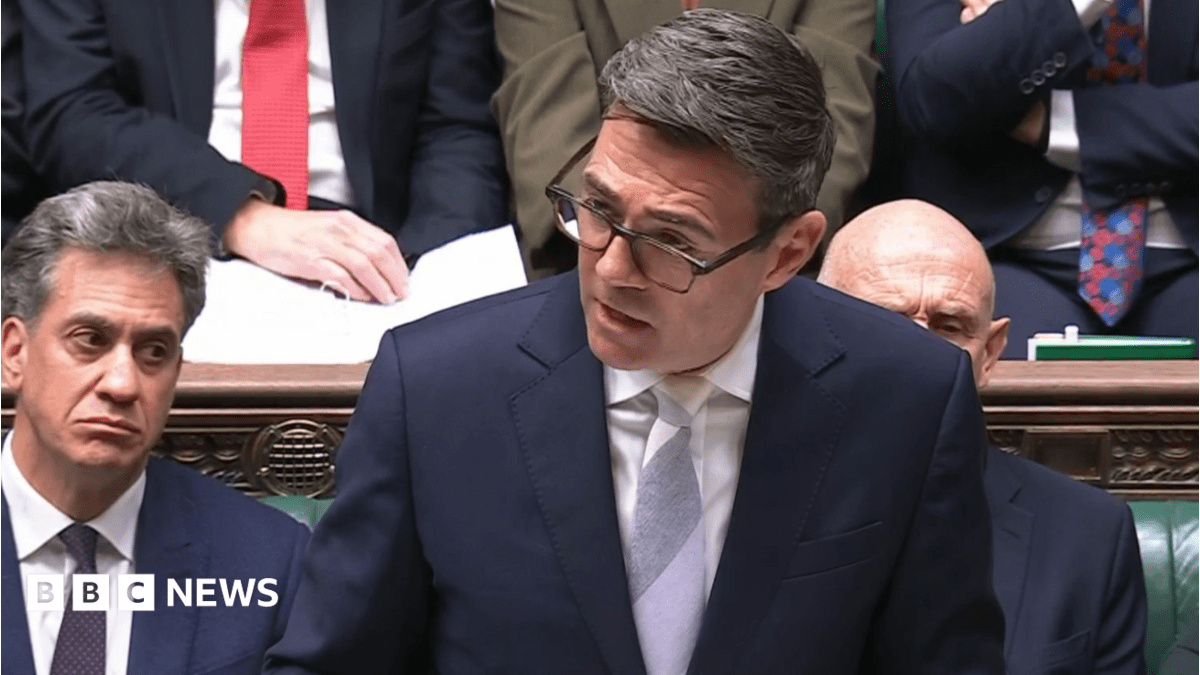
Prime Minister Andy Burnham is seeking deeper post-Brexit cooperation with the EU to boost economic growth. However, the move has drawn sharp criticism from Conservative leader Kemi Badenoch, who accuses the government of undermining the existing withdrawal agreement.
The Pivot in Post-Brexit Relations
Prime Minister Andy Burnham has signaled a significant shift in the United Kingdom's approach to the European Union, announcing his intention to pursue new, deeper cooperation agreements at an upcoming summit. By targeting specific sectors such as youth mobility, food and drink, and energy, Burnham aims to stimulate economic growth that he suggests has been hampered by the current post-Brexit framework. This move marks an attempt to recalibrate the UK-EU relationship, moving away from the rigid constraints of the initial withdrawal toward a more pragmatic, issue-specific partnership.
Addressing the 'Made In Europe' Challenge
A primary catalyst for these negotiations is the emergence of the European Union’s 'Made In Europe' initiative. While designed by Brussels to shield continental industries from the influx of low-cost Chinese manufacturing, the policy inadvertently threatens to disrupt established British supply chains. Burnham’s proactive stance in seeking an 'arrangement' to protect UK manufacturing underscores the vulnerability of British industry to shifting EU protectionist policies. The outcome of these talks will be a litmus test for how the UK can maintain industrial autonomy while remaining tethered to the regulatory influence of its largest trading neighbor.
The Political Fault Lines
Predictably, this shift has met with intense scrutiny from the opposition. Conservative leader Kemi Badenoch has emerged as a vocal critic, framing Burnham’s strategy as an act of 'unpicking' the foundational Brexit deal. The Conservative perspective posits that the current agreement, while imperfect, provides the necessary legal certainty for businesses. By attempting to renegotiate key tenets, Badenoch argues the government is injecting unnecessary instability into the economy, potentially reopening wounds that were meant to be closed by the original withdrawal agreement.
Economic Implications and Future Trends
The focus on youth mobility and energy suggests that Burnham is prioritizing long-term structural integration over short-term political posturing. If successful, these deals could lower barriers for workers and stabilize energy costs, both of which are critical for the UK’s post-Brexit economic recovery. However, the challenge remains in balancing these ambitions with the rigid constraints set out in Labour's manifesto, which limits the scope of how far the government can go toward re-integration without breaching public promises.
Conclusion: A Delicate Balancing Act
As the summit approaches, the Prime Minister faces a dual challenge: navigating the protectionist leanings of the EU while maintaining domestic political cohesion. The tension between Burnham’s push for 'deeper cooperation' and the Conservative critique of 'unpicking' the deal highlights the ongoing volatility of UK-EU relations. Ultimately, the success of this strategy will depend on whether Burnham can secure tangible economic benefits that outweigh the political cost of revisiting a deal that was once considered final.