The middle-power question that New Delhi faces today
Source Entity
Latest News: Todays Latest News Headlines from India & World | Hindustan Times | Hindustan Times
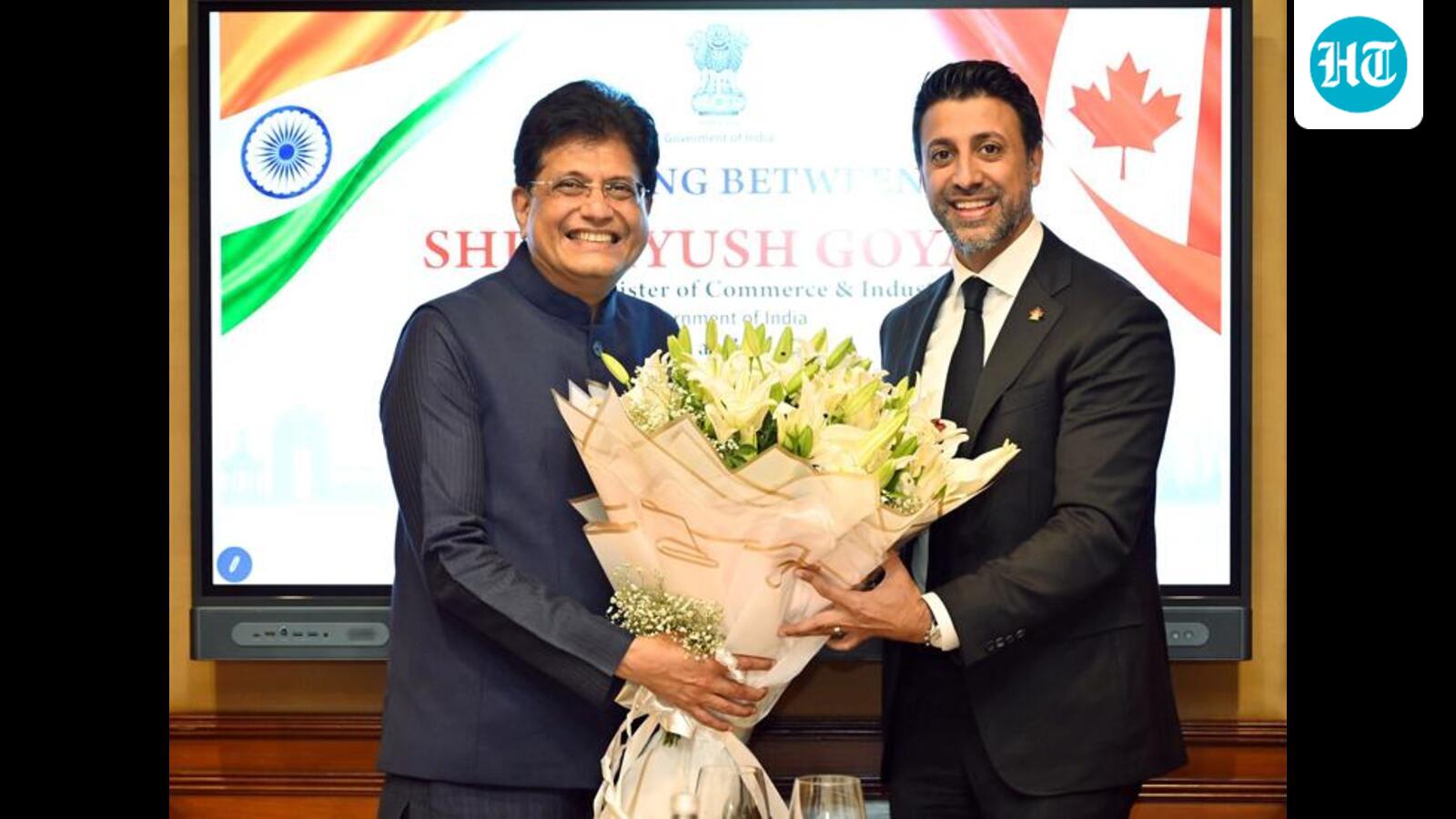
India is navigating a complex geopolitical landscape, balancing its status as an emerging power with a deliberate ambivalence toward the 'middle power' label. While participating in multilateral initiatives like the P4M, New Delhi remains cautious about limiting its strategic autonomy in a world dominated by superpower rivalry.
India’s Strategic Ambivalence in a Fragmented World Order
The Rise of the 'Middle Power' Discourse
The geopolitical landscape of 2024 has been defined by an acute sense of anxiety among nations that exist outside the immediate orbit of the primary global superpowers. As noted by Canadian figures at the World Economic Forum, the current global climate is characterized by a systemic "rupture" rather than a mere transition. This shift has prompted countries like Canada, Australia, and various European states to seek collaborative frameworks, effectively positioning themselves as "middle powers" capable of stabilizing an international order under significant strain.
India’s Complex Positioning
India occupies a unique and somewhat paradoxical position within this discourse. While New Delhi is frequently courted by these middle-power coalitions—as evidenced by the launch of the Partners for Multilateralism (P4M) on the sidelines of the UN General Assembly—it maintains a policy of deliberate ambivalence. India appears simultaneously tempted by the potential for increased diplomatic leverage that a middle-power bloc offers, yet it remains wary of the constraints such a label might impose upon its aspirations for true great-power status.
Multilateralism as a Shield
The formation of the P4M initiative, involving a diverse group of nations including Brazil, Kenya, and Australia, highlights the urgency felt by non-superpowers to defend existing multilateral institutions. By participating in this forum, India signals its commitment to a rules-based international order. This reflects a pragmatic approach: when the global "big powers" communicate over the heads of smaller states, India utilizes these multilateral platforms to ensure that its voice is not sidelined in critical global decision-making processes.
The Munich Leaders Meeting and Strategic Intent
External Affairs Minister S. Jaishankar’s remarks at the Munich Leaders Meeting in Delhi further underscore this nuanced strategy. By explicitly discussing what "emerging and middle powers" might accomplish together, the Indian leadership is testing the waters for collective action without formally adopting the middle-power mantle. This indicates a desire to lead a coalition of peers rather than being defined by a category that implies a ceiling on national influence.
Future Implications and Strategic Autonomy
Looking ahead, India’s approach will likely continue to be one of strategic non-alignment with the middle-power label. As the competition between major superpowers intensifies, the pressure for India to pick a side or join a rigid bloc will grow. However, New Delhi’s resistance to being categorized as a "second-rung" power is deeply rooted in its vision of becoming a "Vishwa Mitra" (friend of the world) and a leading global player. By maintaining this flexibility, India preserves its ability to act as a bridge between the Global South and the West, ensuring its strategic autonomy remains intact in an increasingly multipolar world.
Verification Required?