Seeking removal of CEC Gyanesh Kumar, Kerala Assembly to move resolution today
Source Entity
Shaju Philip
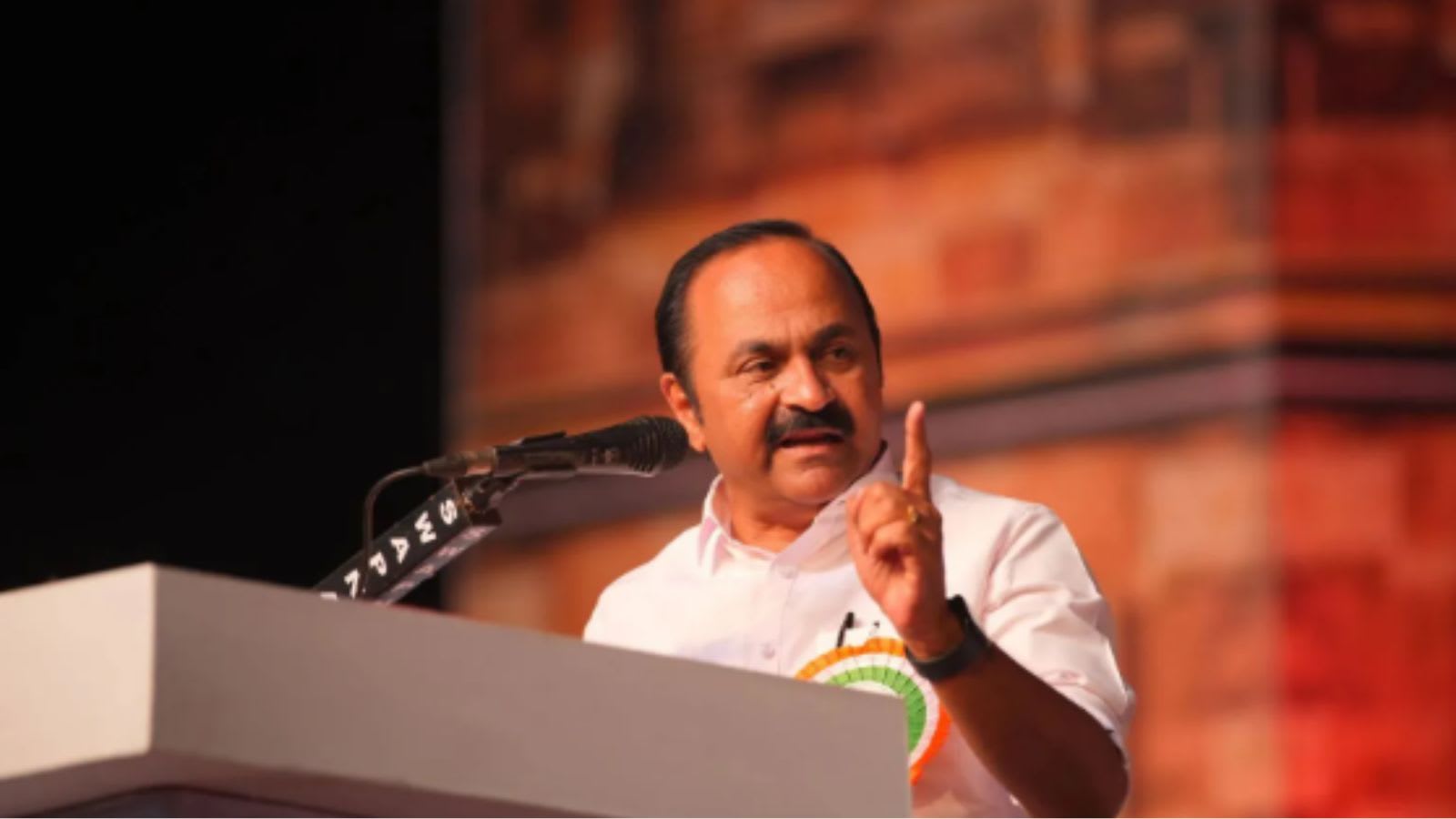
The Kerala Legislative Assembly has passed a landmark resolution demanding the removal of CEC Gyanesh Kumar. The move, supported by both the ruling UDF and opposition LDF, cites concerns over electoral roll transparency and the Special Intensive Revision process.
Kerala Assembly Challenges Election Commission Authority
In a historic legislative move, the Kerala Legislative Assembly has become the first in India to pass a formal resolution seeking the removal of Chief Election Commissioner (CEC) Gyanesh Kumar. The resolution, moved by Chief Minister V.D. Satheesan, represents a significant escalation in the ongoing friction between state-level political actors and the national constitutional body responsible for overseeing the democratic process.
Bipartisan Consensus Amidst Institutional Concerns
What makes this development particularly noteworthy is the rare display of political unity. Both the ruling Congress-led United Democratic Front (UDF) and the opposition CPI(M)-led Left Democratic Front (LDF) voted in favor of the motion. This bipartisan alignment underscores the depth of the perceived crisis regarding the Election Commission of India (ECI), with both major state blocs setting aside their usual intense rivalries to present a unified front against the current leadership of the commission.
The Catalyst: Special Intensive Revision (SIR) Disputes
The core of the conflict stems from the Special Intensive Revision (SIR) of electoral rolls. The Assembly has expressed profound concern over alleged defects within this process, which they argue has compromised the integrity of the voter base. By calling for the removal of the CEC, the state government is asserting that the current administrative oversight has failed to ensure the universal adult franchise, a fundamental pillar of the Indian democratic framework.
Historical Context and Institutional Precedent
This is not the first time the Kerala Assembly has taken a stand against electoral administrative actions. In September of the previous year, the then-LDF regime passed a resolution opposing the implementation of the SIR protocol. The escalation to a direct demand for the removal of the CEC signals that the state legislature no longer believes that internal reforms to the SIR process are sufficient, necessitating a leadership change at the top of the ECI to restore institutional credibility.
Broader Implications for Indian Democracy
The passage of this resolution raises critical questions regarding the balance of power between the Union government and the states. While the Election Commission is a constitutional body, the Kerala Assembly's decision acts as a potent political signal that the state apparatus is prepared to challenge the perceived lack of transparency in federal electoral management. By demanding accountability, the state is attempting to force a national conversation on the impartiality of the ECI.
Future Trends and Political Fallout
As the BJP, which opposed the resolution and sought amendments, remains a minority voice in this specific legislative context, the move highlights a widening chasm between the national ruling party and the state’s political consensus. The future of this motion remains uncertain, as the power to remove a CEC lies with the Union government and constitutional provisions rather than state resolutions. However, this act ensures that the debate over electoral transparency and the conduct of the ECI will remain at the forefront of national political discourse for the foreseeable future.