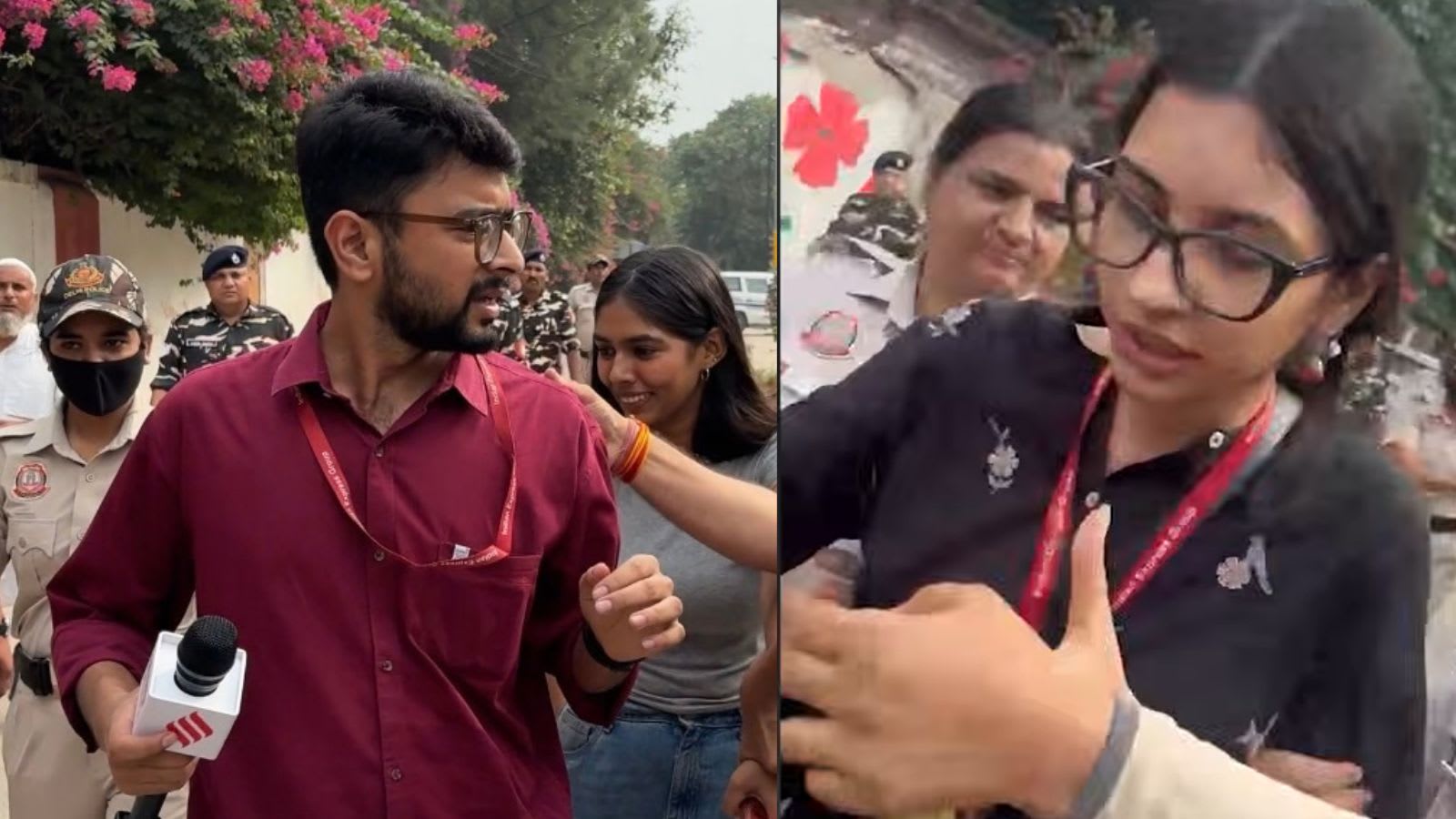
‘Showed press cards, yet picked up’: 3 Express journalists briefly detained
Source Entity
Sakshi Chand
Gautam Budh Nagar and Delhi Police have implemented strict security measures, including Section 163 and mass detentions, to manage the Cockroach Janta Party's protest. Approximately 35,000 security personnel are deployed to mitigate potential unrest at Jantar Mantar.
Heightened Security Measures in the Capital Region
In anticipation of a significant protest organized by the Cockroach Janta Party (CJP) at Jantar Mantar, authorities in the National Capital Region have initiated a massive security mobilization. The Gautam Budh Nagar police have issued a preventive order under Section 163 of the Bharatiya Nagarik Suraksha Sanhita (BNSS), 2023, effective until October 20. This mandate prohibits unauthorized public gatherings of five or more people, the storage of potential projectiles like bricks, and the burning of effigies to maintain public order.
The Strategic Security Grid
The Delhi Police has formulated a comprehensive security blueprint involving the deployment of 35,000 personnel. This tactical response is designed to address the protest against the Election Commission, specifically targeting the roles of SIR and CEC Gyanesh Kumar. The logistical plan includes extensive road blockades, movement restrictions, and potential disruptions to metro services and market operations, signaling the administration's commitment to preventing the Jantar Mantar demonstration from escalating into a city-wide security crisis.
Preventive Policing and Targeted Detentions
As part of these preemptive operations, Delhi Police conducted overnight raids across 15 districts, resulting in the detention of at least 100 individuals with existing criminal records. Intelligence reports suggested that these individuals were likely to participate in the CJP-led protest. By targeting specific demographics previously involved in or suspected of disrupting public order, law enforcement aims to neutralize the protest's capacity for violence before it can materialize at the central protest site.
Legal and Administrative Hurdles
The denial of formal permission for the Jantar Mantar event serves as a central point of contention. Joint Commissioner of Police (New Delhi) Nupur Prasad confirmed that the refusal was based on the organizers' failure to adhere to conditions established during previous demonstrations. This regulatory rejection highlights the growing tension between protest organizers and the state machinery, which has become increasingly vigilant regarding the timing and conduct of public dissent.
Broader Implications and Future Trends
The current situation reflects a broader trend of aggressive preventive policing in the capital, where the state prioritizes the maintenance of public order over the facilitation of large-scale political demonstrations. As the government continues to utilize tools like the BNSS to curb unauthorized gatherings, future political movements will likely face increased scrutiny and more restrictive administrative barriers. The ongoing tension surrounding the Election Commission row underscores the volatility of the current political climate and the state's reliance on massive force to preserve stability during periods of heightened activism.
Multiple Citing Sources