Beyond the optics of a quiet Quad
Source Entity
Latest News: Todays Latest News Headlines from India & World | Hindustan Times
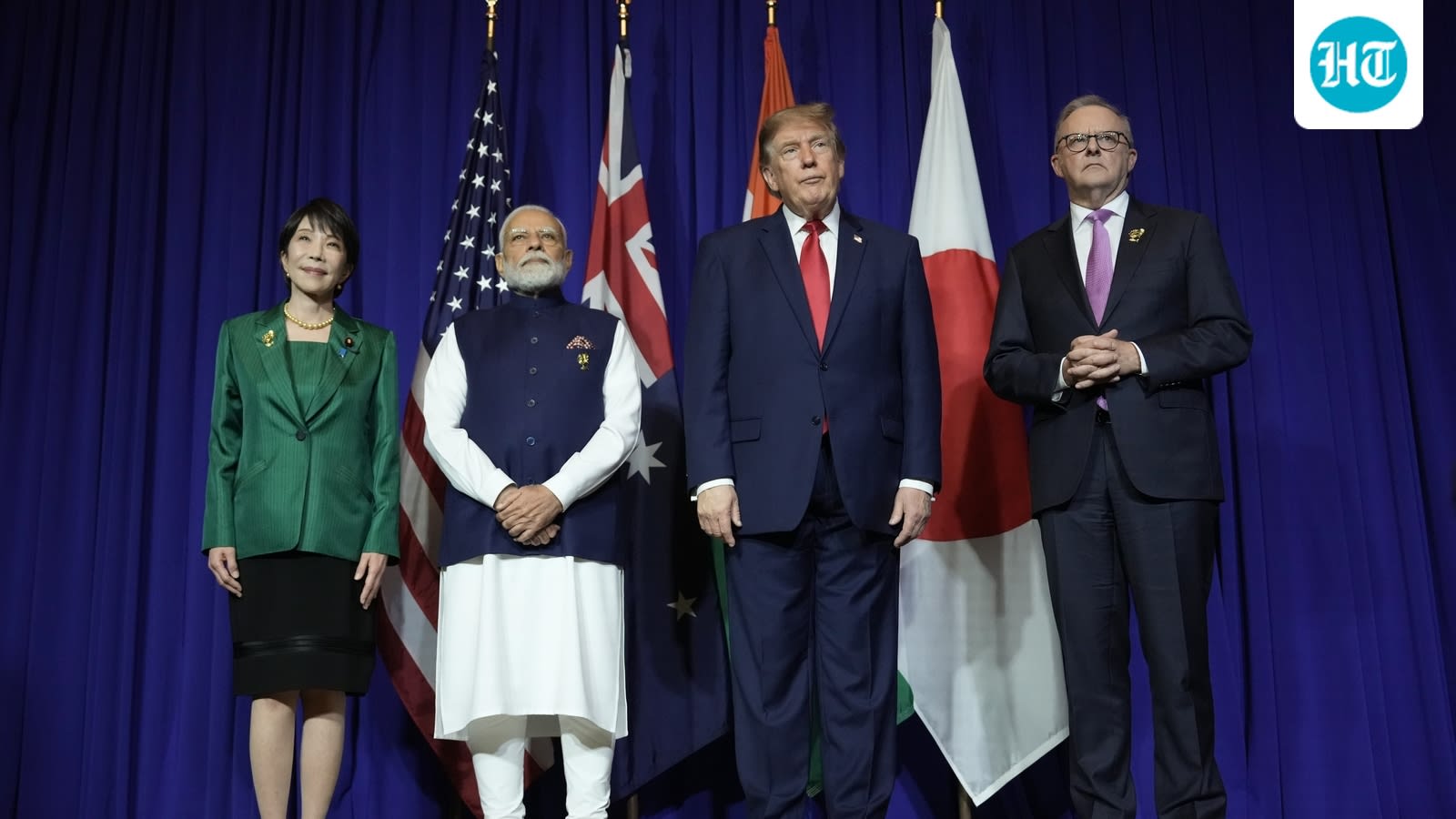
Despite minimal media attention, the recent Quad summit fostered essential progress in maritime security, cyber defense, and energy cooperation. The meeting underscores the group's commitment to practical, long-term strategic alignment among India, the U.S., Japan, and Australia.
The Quiet Evolution of the Quad
While global media outlets fixate on the high-drama dynamics of trilateral meetings involving Russia, China, and Donald Trump, the recent Quad summit in Manila has been unfairly characterized by its brevity. With only 55 minutes allotted for the meeting between U.S. President Donald Trump, Indian Prime Minister Narendra Modi, Japanese Prime Minister Sanae Takaichi, and Australian Prime Minister Anthony Albanese, many observers were quick to dismiss the event as a symbolic gesture lacking substance. However, this assessment overlooks the critical, quiet progress being made in institutionalizing cooperation between these four major Indo-Pacific powers.
Advancing Practical Cooperation
Beneath the surface of the limited media coverage, the summit served as a platform for tangible, practical advancements. The agenda shifted away from mere rhetoric toward specific pillars of regional stability: maritime surveillance, logistics, cyber security, and energy resilience. By focusing on these technical domains, the Quad is effectively building a 'latticework' of security that is resilient to political shifts and public scrutiny. This approach allows the member nations to synchronize their defense and infrastructure capabilities without requiring the kind of high-profile, volatile signaling that characterizes other international forums.
The Strategic Importance for India
For India, the Quad remains a cornerstone of its Act East policy and its broader Indo-Pacific strategy. The focus on maritime surveillance and energy resilience directly impacts India’s national security interests, particularly in maintaining a free and open sea lane in the Indian Ocean. While the summit appeared brief, the alignment of leaders in Manila signals a continued commitment to a rules-based order. For New Delhi, these meetings are not just about the optics of the day; they are about long-term strategic hedging and capacity building in an increasingly complex geopolitical landscape.
Navigating the Geopolitical Noise
It is inevitable that the Quad will be overshadowed by the louder, more sensationalist narratives surrounding great power competition. When news cycles are dominated by the body language and rhetoric of figures like Trump in the context of Russia and China, the methodical, unglamorous work of the Quad is often lost. However, this low-profile trajectory may actually be a strength. By avoiding the intense, minute-by-minute scrutiny that plagues other diplomatic meetings, the Quad leaders have the space to engage in substantive, if quiet, policy coordination.
Future Trends and Resilience
Looking ahead, the Quad is likely to continue its 'quiet' expansion of influence. As the focus remains on logistical and cyber-security infrastructure, the group becomes less of a traditional military alliance and more of a functional security network. This evolution allows for greater flexibility and adaptability. If the participants continue to prioritize practical outcomes over theatrical declarations, the Quad will likely solidify its role as a stabilizing force in the Indo-Pacific, regardless of the relative lack of mainstream media attention it receives compared to more volatile diplomatic theaters.
Verification Required?