Rs 1.20-Crore Testicle Myth: How A Reel Led To A Teen's Murder In Bhopal
Source Entity
NDTV News Search Records Found 1000
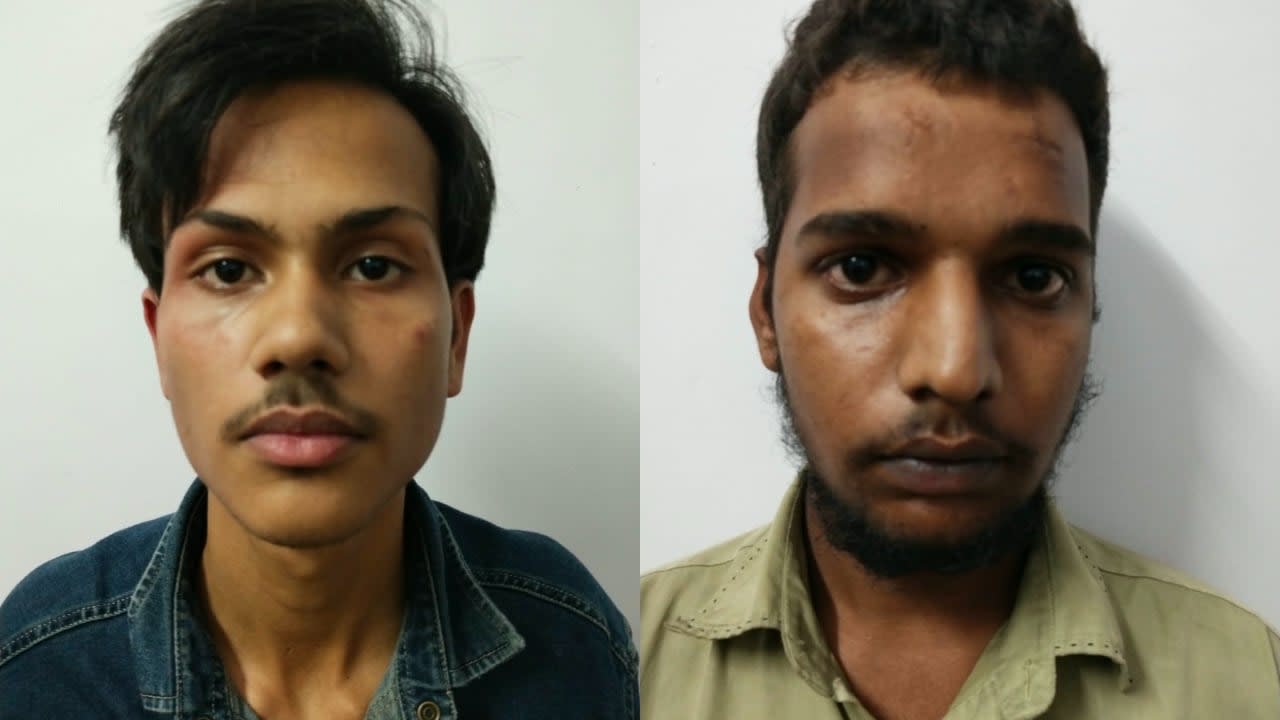
A teenage pen seller was murdered in Bhopal after being lured by a group who believed a viral social media myth that human testicles could be sold for Rs 1.20 crore. Police have arrested two adults and detained three minors involved in the gruesome act.
The Deadly Intersection of Social Media Myths and Criminality
In a harrowing incident reported from Bhopal, Madhya Pradesh, the lethal consequences of misinformation have manifested in the murder of a teenage boy. The victim, who earned his living selling pens, was lured to an isolated location under the pretext of earning a meager Rs 100. Once isolated, he was murdered, and his body was mutilated in a misguided attempt to harvest organs for a black-market sale. This case highlights a disturbing trend where digital misinformation translates into real-world violence.
The Anatomy of a Fatal Misconception
According to police investigations, the motive behind this crime was rooted in an Instagram reel that promoted a baseless myth: that human testicles could be sold for Rs 1.20 crore. The primary suspect, 20-year-old BBA student Zoheb Khan, allegedly orchestrated the plan, convincing his peers—including Aamir Qureshi (18) and three minors—that this gruesome act would yield a life-changing sum of money. The tragedy underscores how impressionable youth can be radicalized or misled by unverified viral content.
The Vulnerability of Marginalized Youth
The victim, a young boy engaged in street vending, represents a demographic often targeted due to their lack of visibility and social support. By offering a small sum of money, the perpetrators easily manipulated the victim into accompanying them to a secluded area. This demonstrates the predatory nature of the accused, who leveraged the victim's economic vulnerability to facilitate a heinous crime based on a fantasy.
Law Enforcement Response and Legal Implications
The Bhopal police have acted swiftly, arresting Zoheb Khan and Aamir Qureshi, while also detaining three minors involved in the conspiracy. The investigation, which relies on digital evidence linking the crime to the specific Instagram reel, serves as a grim reminder of the role social media algorithms play in propagating harmful content. The legal system must now grapple with the complexities of prosecuting both the adults and the juveniles involved in such a premeditated and brutal act.
Societal Implications and the Digital Age
This incident serves as a stark warning about the unchecked spread of misinformation on social platforms. When myths regarding human trafficking and organ harvesting are presented as factual 'hacks' or 'get-rich-quick' schemes, the potential for harm is catastrophic. It raises urgent questions about the responsibility of social media platforms to moderate content that promotes extreme violence or dangerous criminal activities.
Conclusion: A Call for Digital Literacy
The murder in Bhopal is not merely a localized crime; it is a symptom of a broader societal crisis where digital narratives override common sense and morality. Preventing such tragedies in the future will require a multi-faceted approach, including better digital literacy among youth, stricter content regulation on social media, and more robust community policing to protect the most vulnerable members of society from falling prey to such lethal deceptions.
Verification Required?