‘Any woman caring for family homemaker’: Karnataka High Court hikes accident payout
Source Entity
Vineet Upadhyay
Recent Indian High Court rulings have addressed diverse legal issues, including the limits of social media criticism, the timeline for contesting marriage validity, and the financial recognition of homemakers in accident compensation. These cases underscore the judiciary's role in balancing constitutional protections, personal status laws, and socio-economic realities.
Judicial Rulings and the Evolution of Indian Law
Recent rulings from the Tripura, Delhi, and Karnataka High Courts highlight the multifaceted role of the Indian judiciary in interpreting constitutional, family, and tort law. These decisions collectively reflect a judicial trend toward enforcing institutional respect, maintaining the finality of long-standing personal relationships, and recognizing the intrinsic economic value of domestic labor.
The Limits of Political Expression
In Tripura, the High Court’s refusal to quash criminal cases against a social media user for offensive posts against the Prime Minister emphasizes the distinction between legitimate political criticism and actionable defamation. The court noted that while democracy thrives on dissent, high constitutional offices occupy a protected space. This ruling signals a tightening of judicial scrutiny regarding digital discourse, warning that the freedom of speech is not a license for abusive or defamatory rhetoric against state leadership.
Finality in Matrimonial Disputes
Simultaneously, the Delhi High Court has reinforced the importance of the statute of limitations and the principle of finality in matrimonial law. By rejecting a husband’s attempt to challenge a marriage 18 years post-facto on the grounds of sedation, the court has effectively signaled that such allegations cannot remain open-ended. The ruling clarifies that even if a marriage were potentially voidable, the passage of nearly two decades renders such claims legally untenable, regardless of ongoing maintenance payments.
Valuing the Homemaker
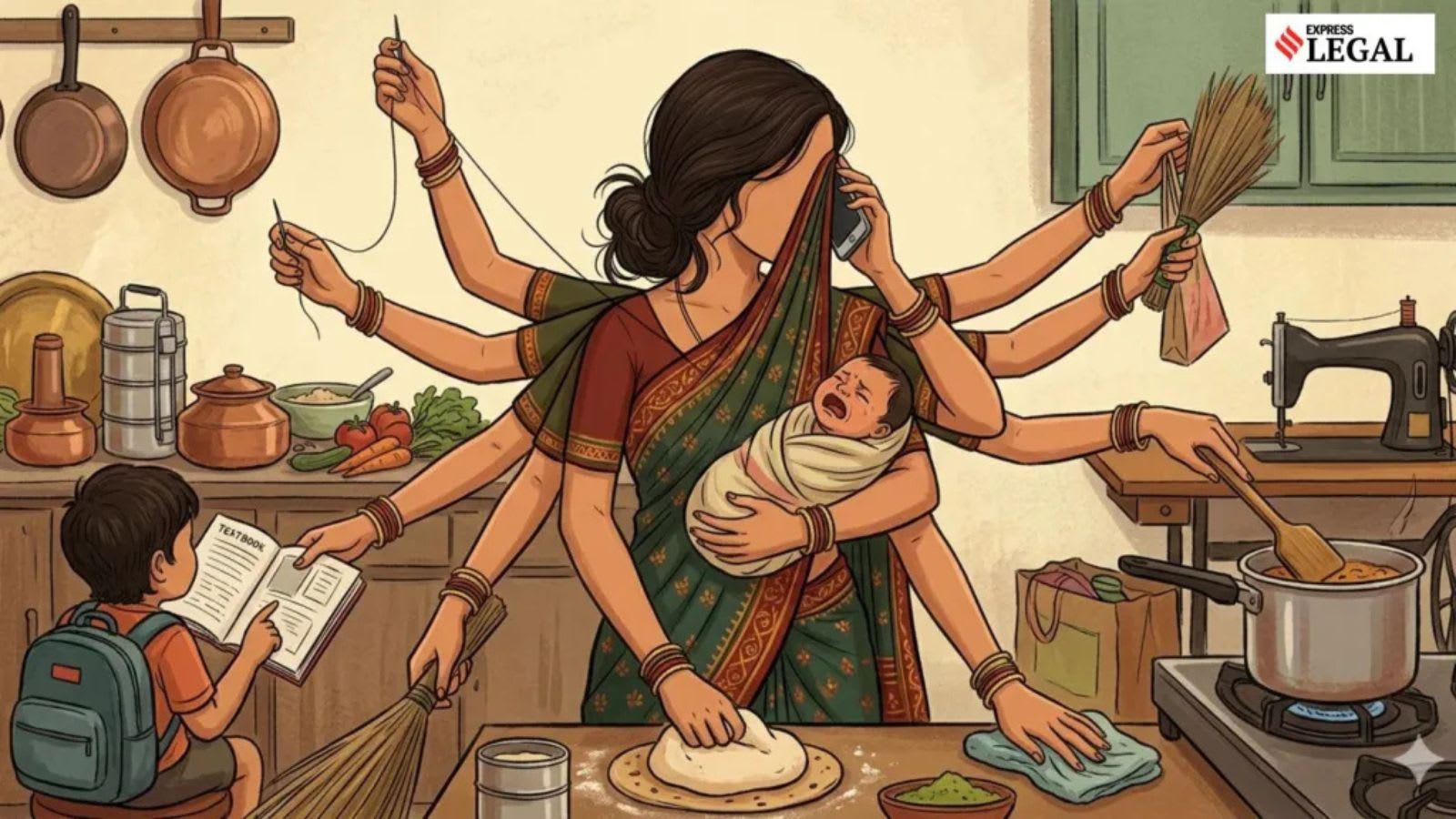
Conversely, the Karnataka High Court has taken a progressive stance on the valuation of domestic labor. By ruling that a woman’s professional education or background does not strip her of the 'homemaker' status, the court expanded the scope of compensation in accident claims. This decision acknowledges that the societal contribution of a homemaker—defined by unconditional love and family stability—is a quantifiable economic asset that deserves higher protection in the eyes of the law.
Broader Implications for Legal Precedent
These diverse rulings demonstrate how Indian courts are navigating the complexities of a changing society. Whether it is curbing digital vitriol, ensuring the stability of long-term domestic unions, or ensuring fair compensation for families, the judiciary is increasingly leaning toward interpretations that protect institutional integrity and social equity.
Conclusion
Ultimately, these judgments serve as vital touchstones for legal practitioners and the public alike. By setting firm boundaries on speech, demanding timely legal action in personal disputes, and broadening the financial recognition of domestic contributions, these courts are shaping a legal landscape that balances individual rights with the broader requirements of social order and justice.