Trump Bombs US Foreign Policy In Swings At Oman, South Korea Over Iran War
Source Entity
NDTV News Search Records Found 1000
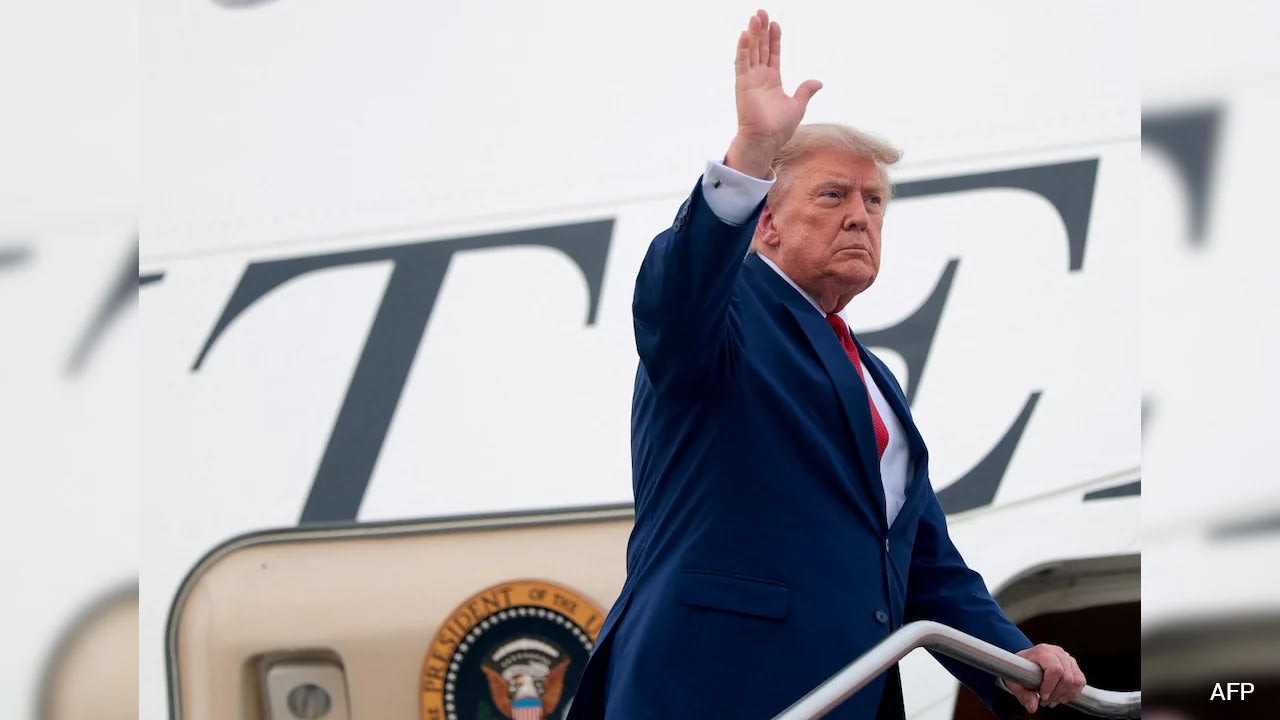
President Trump has threatened to bomb Oman amid growing frustration over stalled nuclear negotiations with Iran. The administration perceives Oman's role in the Strait of Hormuz as ambiguous, leading to heightened diplomatic tensions.
The Unpredictability of Trump's Diplomatic Strategy
President Trump’s recent threats against Oman underscore a long-standing hallmark of his foreign policy: the strategic use of unpredictability. By openly contemplating military action against a nation that has historically served as a diplomatic intermediary, the administration is signaling a departure from traditional statecraft. This approach seeks to keep adversaries and allies alike off-balance, reflecting a belief that volatility can force concessions where conventional diplomacy has stalled.
The Stalled Iran Nuclear Negotiations
The root of this confrontation lies in the persistent failure to secure a new nuclear deal with Iran. For weeks, the White House had projected confidence, suggesting that a breakthrough was imminent. Oman, a nation frequently utilized as a backchannel for U.S.-Iran communication, was central to these efforts, particularly regarding the security of the Strait of Hormuz. When these expectations were not met, the administration’s frustration manifested in aggressive rhetoric directed at Muscat.
Oman’s Murky Diplomatic Position
Within the U.S. government, there is a clear divide regarding Oman’s role. Some officials suspect the Sultanate of favoring Iran’s interests, potentially obstructing the nuclear deal. Others view the President’s threats as an impulsive reaction to the administration's inability to finalize an agreement. This lack of internal consensus, described by sources as a 'murky' picture, illustrates the volatility of the current U.S. approach to Gulf state relations.
Implications for the Strait of Hormuz
The focus on the Strait of Hormuz highlights the critical nature of the current geopolitical standoff. As a vital chokepoint for global oil supplies, the stability of the Strait is paramount. By threatening Oman—a key regional player—the U.S. risks destabilizing a region it is simultaneously trying to secure. This paradox highlights the high stakes of current negotiations and the potential for a localized dispute to escalate into broader regional conflict.
Assessing the Rhetoric and Future Trends
President Trump’s declaration that the U.S. could 'handle' Oman 'very easily' is indicative of an "America First" posture that prioritizes unilateral action over multilateral consensus. Moving forward, observers should expect continued pressure on intermediary nations as the White House seeks to break the current diplomatic gridlock. Whether this tactic will force a positive outcome or further alienate regional partners remains a central question for international security analysts.
Verification Required?