Trump Hints At Kim Jong Un Contacts After Scaling Back Seoul Drills
Source Entity
NDTV News Search Records Found 1000
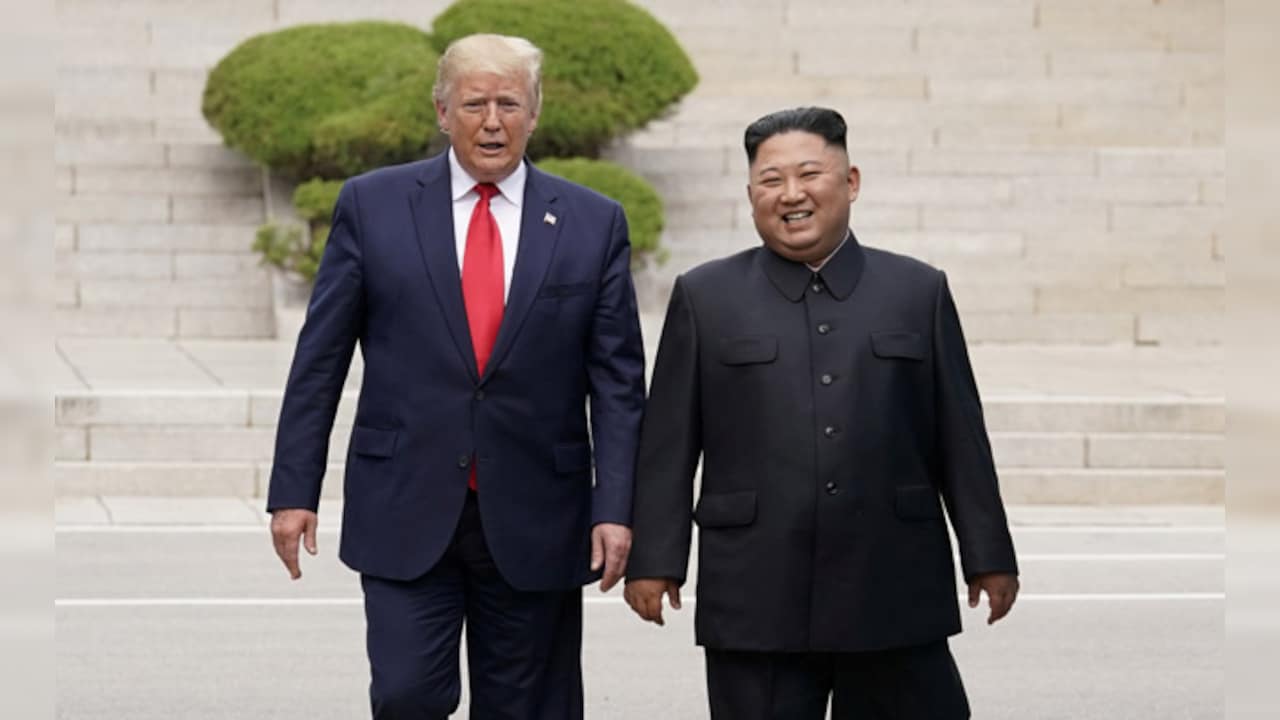
President Trump has scaled back military drills with South Korea, citing his personal relationship with Kim Jong Un as a tool for de-escalation. Despite these efforts, Trump has expressed frustration with Seoul's lack of support regarding Iran, highlighting a complex shift in regional alliances.
The Shift in US-North Korea Diplomatic Strategy
Recent reports indicate a significant pivot in the administration's approach to the Korean Peninsula, characterized by a reduction in joint military exercises between the United States and South Korea. President Donald Trump has framed this decision as a calculated move to facilitate renewed communication with North Korean leader Kim Jong Un, leveraging their established personal rapport to foster a more stable security environment. By scaling back these drills, the administration is signaling a departure from traditional 'maximum pressure' tactics in favor of high-level personal diplomacy.
The Role of Personal Diplomacy
Central to this strategy is the President’s belief that his direct ties to Kim Jong Un serve as a primary mechanism for making the region 'much safer.' Having met the North Korean leader three times during his previous term, Trump views this history as a unique asset that remains dormant but potentially potent in his second term. This reliance on interpersonal negotiation over institutionalized military deterrence marks a distinct departure from standard geopolitical norms, prioritizing the leader-to-leader dynamic as the catalyst for potential denuclearization or peace negotiations.
Strains in the US-South Korea Alliance
However, this diplomatic overture has revealed underlying tensions within the US-South Korea alliance. While the scaling back of drills is intended to appease Pyongyang, it has been accompanied by public rebukes from the President toward Seoul. Trump has openly criticized South Korea for its perceived lack of support in American-led efforts to constrain Iran’s nuclear ambitions. This friction suggests that the administration is increasingly viewing its global security commitments through a transactional lens, where support for regional allies is contingent upon their alignment with broader US foreign policy goals, including those in the Middle East.
Geopolitical Implications of the Strategy
The broader implications of these developments are significant. By linking the security architecture of East Asia to cooperation in the Middle East, the administration is creating a complex, multi-theater diplomatic framework. The reduction of military drills potentially creates a power vacuum or a perception of diminished US commitment to its Asian allies, which could embolden regional actors. Simultaneously, the focus on Iran indicates that the administration is attempting to manage multiple nuclear proliferation threats simultaneously, often by using one theater of influence to leverage another.
Future Outlook and Regional Stability
Looking ahead, the success of this strategy hinges on whether Kim Jong Un will reciprocate these overtures. Despite the President's claims of progress, the lack of a formal response from Pyongyang since the start of the current term remains a critical hurdle. The future of regional stability will likely depend on whether the administration can maintain its 'safer' status quo while managing the growing discontent in Seoul and the unpredictable nature of North Korean foreign policy. The interplay between personal diplomacy and traditional alliance management will remain the defining feature of this administration's approach to the Korean crisis.
Verification Required?