JSSC-CGL exam cancellation ends one protest, sparks another as 2,000 fear job loss
Source Entity
TOI NEWS DESK
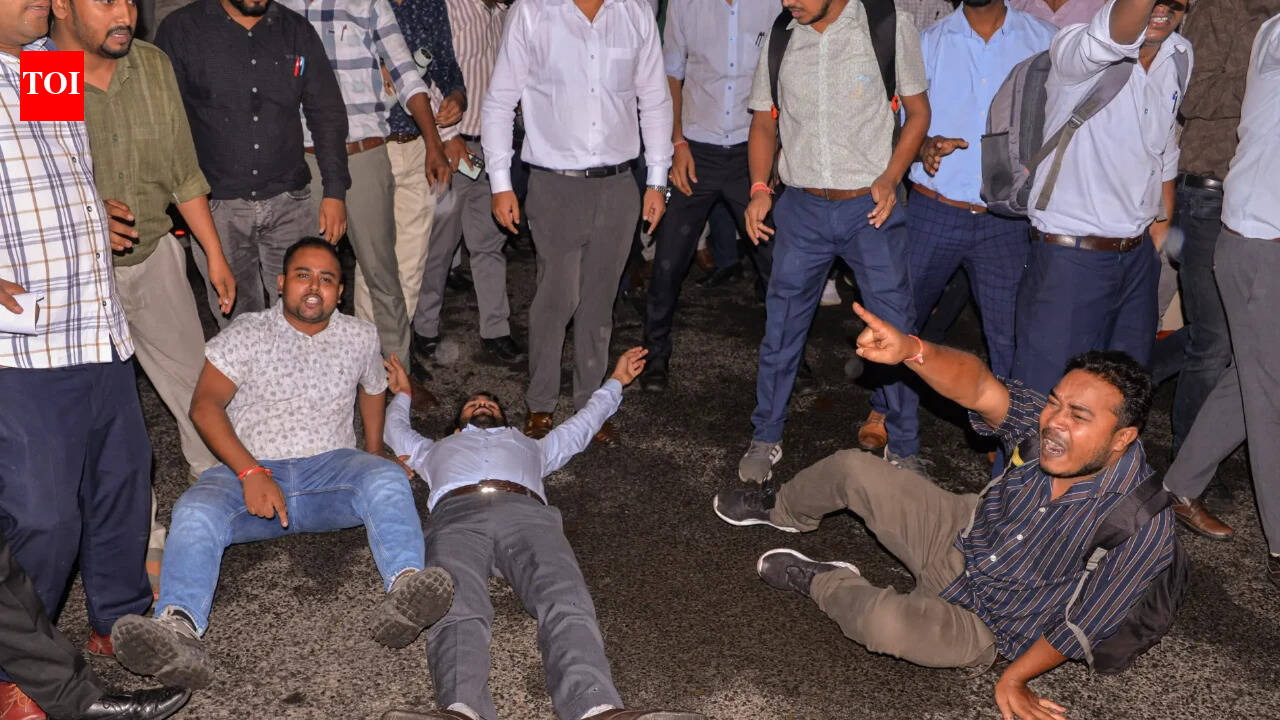
Jharkhand has cancelled 22 recruitment exams following a CID probe into corruption, while Uttar Pradesh aspirants are threatening protests over long-delayed merit lists. These events underscore a growing crisis of trust in state-led recruitment processes across India.
The Crisis of Credibility in State Recruitment
The recent administrative upheaval in Jharkhand, where the state government has cancelled 22 recruitment examinations, marks a significant turning point in the governance of public sector hiring. Triggered by a Crime Investigation Department (CID) probe into the Jharkhand Public Service Commission (JPSC) and the Jharkhand Staff Selection Commission (JSSC), the decision to scrap these exams reflects deep-seated systemic failures. By nullifying tests dating back to 2014, the government is attempting to address allegations of widespread irregularities that have compromised the integrity of the state's civil service pipelines.
Accountability and the Human Cost
The human impact of these administrative failures is profound. The cancellation of these exams means that over 2,600 individuals who had already secured employment are now facing the loss of their positions. This drastic measure, while ostensibly aimed at rectifying past corruption, creates a precarious situation for those who navigated the recruitment process in good faith. The ongoing protests at Ranchi's Jaipal Singh Stadium, which only recently saw a suspension following a two-month ultimatum, highlight the intense pressure mounting on the Hemant Soren-led government to ensure transparency while balancing the livelihoods of thousands.
The Broader Trend: A Pan-India Pattern
This issue is not confined to Jharkhand. The frustration among job seekers is mirrored in Uttar Pradesh, where candidates for the Village Panchayat Officer (VPO) examination have announced an indefinite protest outside the Uttar Pradesh Subordinate Service Selection Commission (UPSSSC) offices. The delay in releasing the final merit list for the VPO exam, which has been pending for three months, has driven aspirants to organize under groups like the Sanyukt Pratiyogi Chhatra Hunkar Manch. This suggests a recurring pattern of bureaucratic lethargy and lack of communication that is fueling unrest among the youth.
Systemic Weaknesses in Recruitment Boards
The common thread linking the situations in Ranchi and Prayagraj is the erosion of faith in recruitment boards. Whether through active corruption, as alleged in Jharkhand, or institutional apathy, as seen in the UPSSSC, the result is the same: a generation of aspirants whose professional trajectories are stalled. These recruitment boards are meant to be the gatekeepers of meritocracy; however, the lack of timely results and the discovery of fraudulent practices suggest that these institutions are currently failing their primary mandate.
Future Implications and Policy Outlook
Moving forward, state governments will likely face increased scrutiny regarding their digital infrastructure and oversight mechanisms for high-stakes examinations. The reliance on CID investigations indicates that these systemic issues have reached a level of criminality that requires law enforcement intervention, rather than simple administrative adjustments. As the two-month ultimatum in Jharkhand expires, the government will be forced to choose between further radical reforms or the risk of renewed, large-scale civil unrest. For Uttar Pradesh, the immediate pressure on the UPSSSC to release pending merit lists will serve as a test case for how responsive state bodies are to organized student activism.
Conclusion
In summary, the state of public recruitment in India is currently defined by a high-stakes struggle between disgruntled aspirants and overburdened, often opaque, government commissions. The events in Jharkhand and Uttar Pradesh serve as a clarion call for structural reform. Without a shift toward more transparent, time-bound, and corruption-proof recruitment processes, the cycle of protests, cancellations, and career uncertainty is likely to continue, further damaging the relationship between the state and its educated youth.
Multiple Citing Sources