‘Italian blood’: Kumaraswamy’s fresh attack on Sonia Gandhi escalates Vande Mataram row
Source Entity
Latest News: Todays Latest News Headlines from India & World | Hindustan Times | Hindustan Times
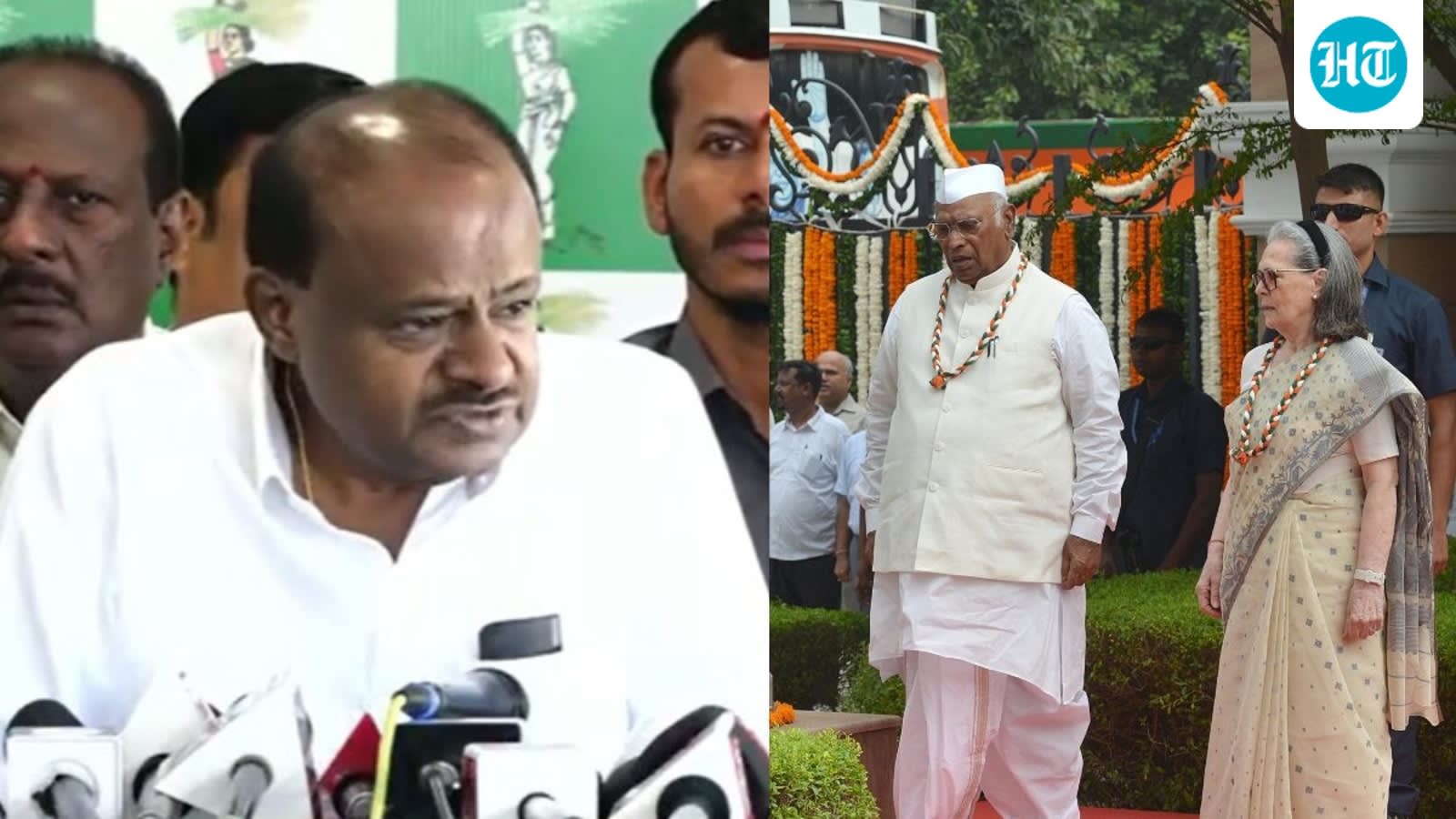
Union Minister H.D. Kumaraswamy has ignited a political controversy by questioning Sonia Gandhi’s Indian identity and loyalty. The dispute centers on allegations that the Congress leader disrespected the national song Vande Mataram during an Independence Day event.
The Vande Mataram Row: A Deepening Political Divide
The political landscape in India has been recently stirred by a heated exchange involving Union Minister H.D. Kumaraswamy and Congress leader Sonia Gandhi. At the heart of this controversy is the national song, Vande Mataram, and allegations regarding its treatment during a Congress-led Independence Day event on August 15. The escalation of this rhetoric highlights the ongoing tensions between political factions regarding national symbols and the definitions of patriotism.
The Origin of the Allegations
The conflict began following accusations from the Bharatiya Janata Party (BJP) that Sonia Gandhi objected to the singing of the full version of Vande Mataram at an official function. This narrative was quickly seized upon by H.D. Kumaraswamy, a Union Minister and leader of the Janata Dal (Secular), who utilized the incident to launch a series of personal attacks against Gandhi. By questioning her commitment to Indian sentiments, Kumaraswamy has shifted the focus from the procedural details of the event to the broader, often polarizing, debate surrounding Gandhi's origins.
Questioning Identity and Allegiance
In his statements to reporters in Hassan and Holenarsipura, Karnataka, Kumaraswamy explicitly invoked Gandhi's Italian heritage. By asking, “Is Sonia Gandhi from our nation?” and remarking that “Italian blood flows in her veins,” the minister has utilized nativist rhetoric to frame his political opposition. This approach seeks to delegitimize the political standing of an opponent by emphasizing their foreign background, a tactic that has been present in Indian political discourse for decades, particularly concerning Sonia Gandhi’s leadership of the Congress party.
Deflections and Political Counter-Narratives
Congress party officials have attempted to mitigate the fallout by offering explanations for the events on August 15, specifically suggesting that the gestures misinterpreted as disrespect were actually attempts to arrange seating. However, Kumaraswamy has rejected these explanations, labeling them as “excuses” and asserting that the public is aware of the true nature of the incident. This hardening of positions suggests that both sides are unlikely to reach a consensus, as the debate serves as a proxy for deeper ideological battles.
Broader Implications for National Discourse
This incident underscores the fragility of political discourse when national symbols like Vande Mataram are involved. The song, which holds deep historical significance from the Indian independence movement, is frequently used as a touchstone for nationalist sentiment. When political leaders turn these symbols into weapons of personal vitriol, it often leads to a cycle of escalation that distracts from substantive policy debates, potentially deepening the divide between political parties in the lead-up to future electoral cycles.
Future Trends in Political Rhetoric
Looking ahead, it is likely that such identity-based attacks will continue to be a feature of the Indian political scene. As leaders like Kumaraswamy continue to link specific actions—or perceived slights—to an individual's heritage, the discourse risks becoming increasingly polarized. This trend suggests that political campaigns may continue to prioritize emotive, symbolic issues over economic or developmental policy, ensuring that the debate over what constitutes 'Indian sentiment' remains a fixture in the national conversation.
Verification Required?