Bhutan, India Boost Clean Energy Ties With 770 Megawatt Hydropower Deal
Source Entity
NDTV News Search Records Found 1000
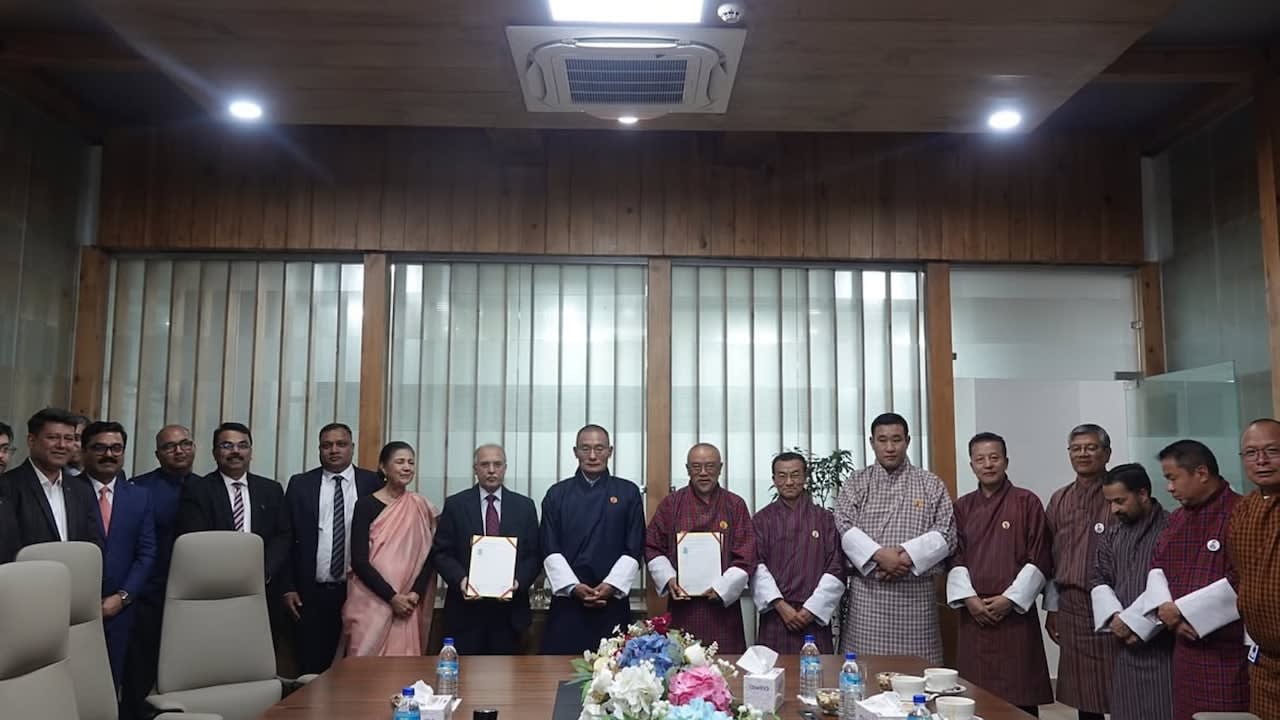
Bhutan and India have signed a significant agreement to develop a 770-megawatt hydropower project. This deal reinforces the long-standing energy partnership between the two nations, leveraging Bhutan's abundant renewable water resources.
Strengthening South Asian Energy Ties: The 770MW Hydropower Initiative
A Foundation of Cooperation
The recent agreement between Bhutan and India to develop a 770-megawatt hydropower project marks a pivotal expansion in bilateral relations. For decades, the partnership between the two nations has been defined by a deep strategic and economic alignment, with the energy sector serving as the primary anchor. By focusing on hydropower, both countries are capitalizing on Bhutan’s unique geographical advantage, which allows for the sustainable generation of power through its mountainous terrain and river systems.
Leveraging Bhutan’s Renewable Potential
Bhutan’s economy and energy sector are fundamentally built upon the foundation of hydropower. The nation possesses vast, untapped potential for clean energy production, which has become a cornerstone of its development strategy. This 770MW initiative is not merely an infrastructure project; it represents a systematic effort to harness natural water resources to provide stable, low-carbon electricity that benefits both the domestic Bhutanese grid and the broader regional energy market in India.
Strategic Economic Implications
For India, importing clean energy from Bhutan is a strategic move to meet its rising domestic energy demand while adhering to its ambitious climate change commitments. By integrating Bhutanese hydropower into its national grid, India can reduce its reliance on fossil-fuel-based power generation. Conversely, for Bhutan, the revenue generated from these long-term power purchase agreements provides essential capital for infrastructure, education, and healthcare, thereby fueling national growth.
Environmental Sustainability and Climate Goals
In the context of the global transition to green energy, this project serves as a model for transboundary environmental cooperation. Hydropower is a critical component of a carbon-neutral future, and by locking in this 770MW capacity, both countries are effectively lowering their aggregate carbon footprint. This collaboration demonstrates how regional neighbors can work together to mitigate climate change while simultaneously fostering economic security.
Future Trends and Regional Stability
Looking ahead, this project likely signals the beginning of a more integrated regional energy grid in South Asia. As India continues to expand its renewable energy capacity, projects like this will become increasingly vital to maintaining grid stability. Furthermore, this initiative reinforces the 'neighborhood first' policy, ensuring that Bhutan and India remain closely linked through mutually beneficial economic endeavors that prioritize sustainable development and long-term geopolitical stability.
Verification Required?