'Islam wanting to take over': Donald Trump reacts to France school protests
Source Entity
AASTHA JHA
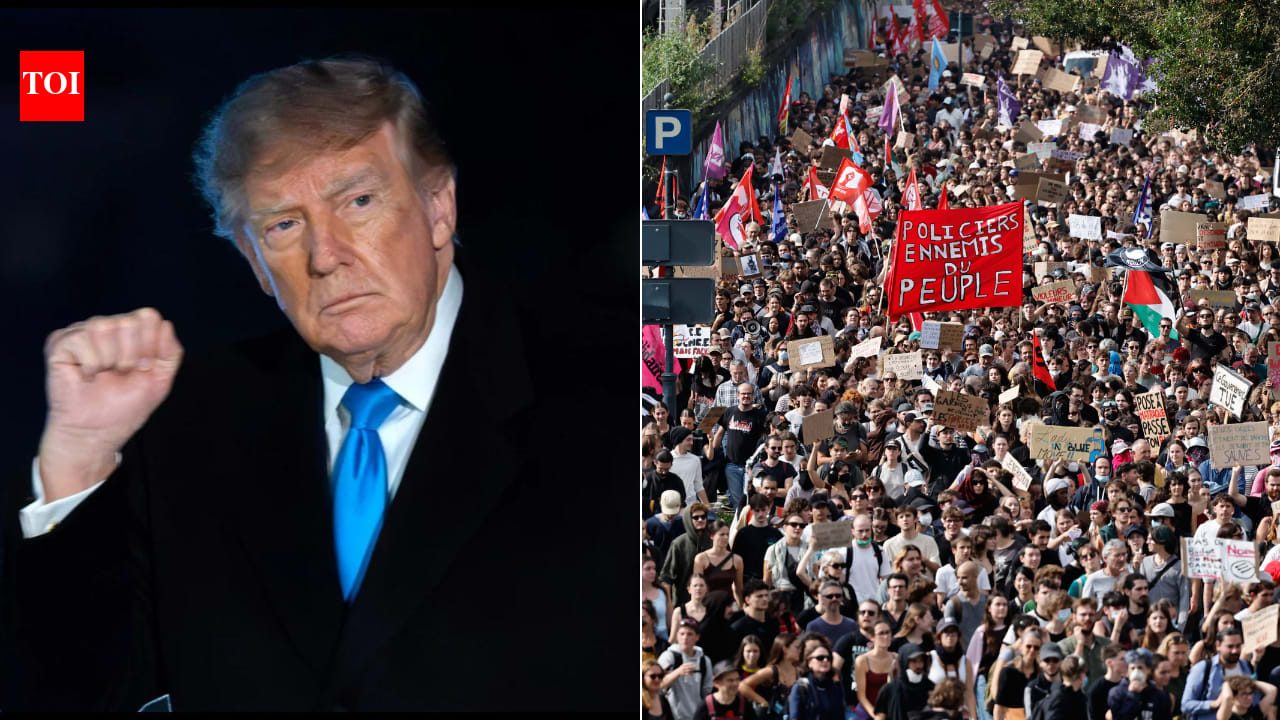
High-school students across France are engaged in widespread, escalating protests over school funding, infrastructure, and teacher shortages. The movement has resulted in over 5,000 arrests and significant injuries, drawing condemnation from government officials.
The Escalating Crisis in French Secondary Education
France is currently witnessing a period of intense civil unrest as high-school students across the nation have initiated widespread blockades and demonstrations. Beginning in mid-September, what initially appeared to be localized discontent in the Paris region has metastasized into a nationwide movement. Students are actively shuttering hundreds of schools to protest systemic issues, including chronic underfunding, severely overcrowded classrooms, and the physical degradation of school infrastructure.
Origins and Core Grievances
The roots of this movement lie in deep-seated frustration regarding the quality of the French public education system. Students have articulated demands for increased resources to combat teacher shortages and to address the burden of excessively long school days. The rhetoric from the student body emphasizes a desire for a learning environment that is both safe and adequately equipped, contrasting sharply with their current experience of dilapidated facilities and institutional neglect.
The Human and Legal Cost
As the protests have dragged on, the situation has devolved into violent confrontations between demonstrators and law enforcement. The scale of the response is reflected in the staggering statistics provided by the French government: over 5,000 individuals have been arrested since the inception of the protests, with a significant 87 percent being minors. The physical toll has also been severe, with official reports confirming hundreds of injuries among students, staff, and police, including a tragic incident where a 15-year-old boy reportedly lost his hand during a clash with riot police.
Government Response and Public Order
Prime Minister Sébastien Lecornu and Education Minister Edouard Geffray have struggled to contain the fallout, with authorities deploying tear gas in major cities such as Paris and Marseille and water cannons in Rennes. While the government has condemned the violence and arson associated with the riots, the demonstrators have simultaneously called for an end to what they characterize as police repression. The tension between maintaining public order and addressing the legitimate grievances of the youth remains a primary challenge for the administration.
Broader Political Implications
This domestic instability has inevitably entered the political arena, with far-right figures like Marine Le Pen positioning themselves to address the crisis through promises of fiscal turnaround. As the protests have expanded to include university students, parents, and labor unions, the movement has evolved into a broader critique of the current government's policy priorities. With nearly a quarter of all high schools experiencing disruption, the long-term impact on the French academic calendar and the political future of the administration remains uncertain.
Multiple Citing Sources