Big Walk used AI to fix a bug. Now the indie gaming world is having a reckoning.
Source Entity
Kyle Orland
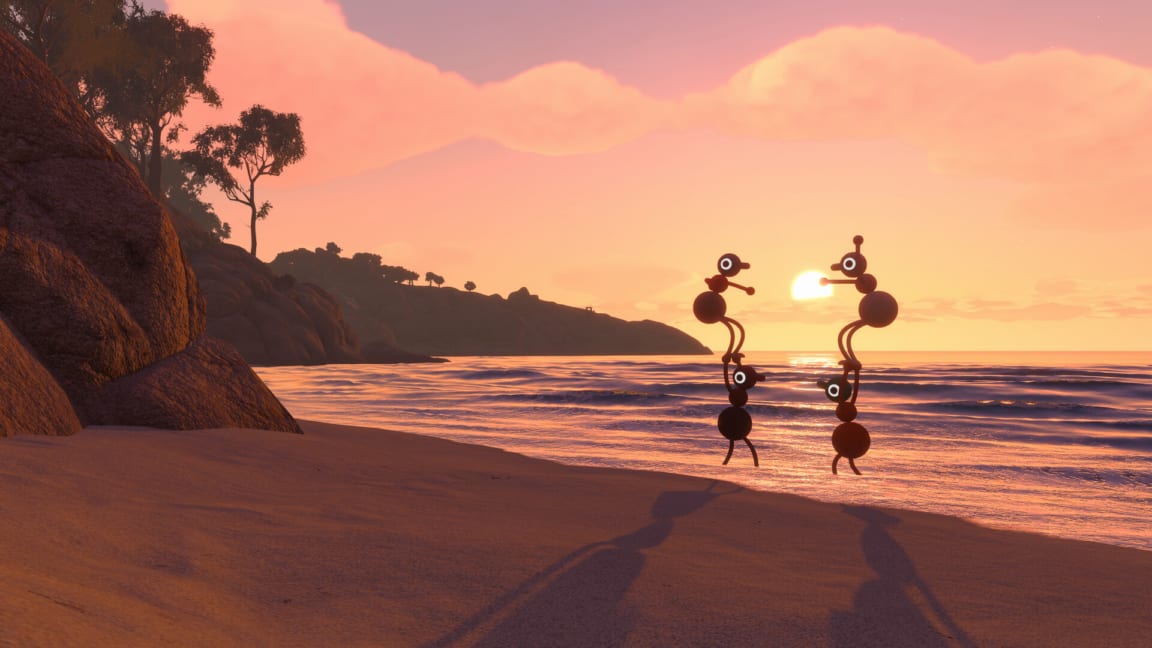
The indie gaming community faces a reckoning over AI usage after developer House House disclosed using AI to fix a bug in 'Big Walk'. This has prompted 19 Independent Games Festival jurors to refuse to vote for any game utilizing AI tools.
The AI Reckoning in Indie Game Development
The recent controversy surrounding the game Big Walk, developed by House House, has ignited a fierce debate within the independent gaming sector. By publicly and belatedly disclosing the use of AI-powered tools to resolve a technical bug, the developers have inadvertently triggered a systemic crisis regarding the ethics of artificial intelligence in creative industries. This incident has moved the discussion from private developer circles into the public domain, forcing a confrontation between efficiency-driven development and the traditional values of human craftsmanship.
The Independent Games Festival Crisis
At the heart of this tension is the Independent Games Festival (IGF) Awards, a platform traditionally reserved for celebrating human-led innovation and artistic integrity. The disclosure by House House has catalyzed a formal pushback from the jury. Nineteen members of the fifty-plus-member jury have released a signed statement declaring their intent to decline voting for any title utilizing AI, signaling a hardline stance that could fundamentally alter the landscape of future award cycles.
Transparency and the Disclosure Gap
The core of the Big Walk controversy lies not just in the use of AI, but in the timing and nature of the disclosure. For many indie developers, the pressure to deliver polished, bug-free experiences in a competitive market often leads to the adoption of automated tools. However, the 'belated' nature of this specific disclosure has eroded trust, highlighting a broader industry struggle: when does a 'tool' become a 'crutch,' and at what point is a developer ethically obligated to inform their audience and peers of machine-assisted labor?
Broader Implications for Indie Gaming
This reckoning reflects a wider anxiety across the creative arts regarding the role of AI. As large-scale game studios and indie developers alike grapple with the integration of generative AI, the distinction between 'human-made' and 'AI-assisted' is becoming increasingly blurred. The stance taken by these IGF jurors suggests that for the indie community, the human element is not just a stylistic choice but a core requirement for participation in prestigious accolades.
Historical Context and Future Trends
Historically, the gaming industry has seen numerous shifts in technology, from the transition to 3D rendering to the adoption of sophisticated game engines. Yet, AI represents a unique challenge because it affects the creative process rather than just the delivery mechanism. Looking ahead, we can expect to see stricter guidelines regarding AI disclosure in game development competitions. This trend will likely force developers to be more transparent from the outset, potentially leading to a bifurcation in the industry between 'pure' human-made titles and those that embrace AI-assisted workflows.
Conclusion: A New Standard for Ethics
As the dust settles on the Big Walk controversy, the indie development scene stands at a crossroads. The refusal of nearly 40% of the IGF jury to support AI-integrated projects sets a precedent that will be difficult to ignore. Whether this leads to a total ban on AI tools or simply a more rigorous framework for disclosure, one thing is clear: the era of 'hidden' AI usage in the indie sector is effectively over.