Bihar cabinet authorises Gram Panchayats to levy and collect taxes in Panchayats
Source Entity
India Latest News: Top National Headlines Today & Breaking News | The Hindu
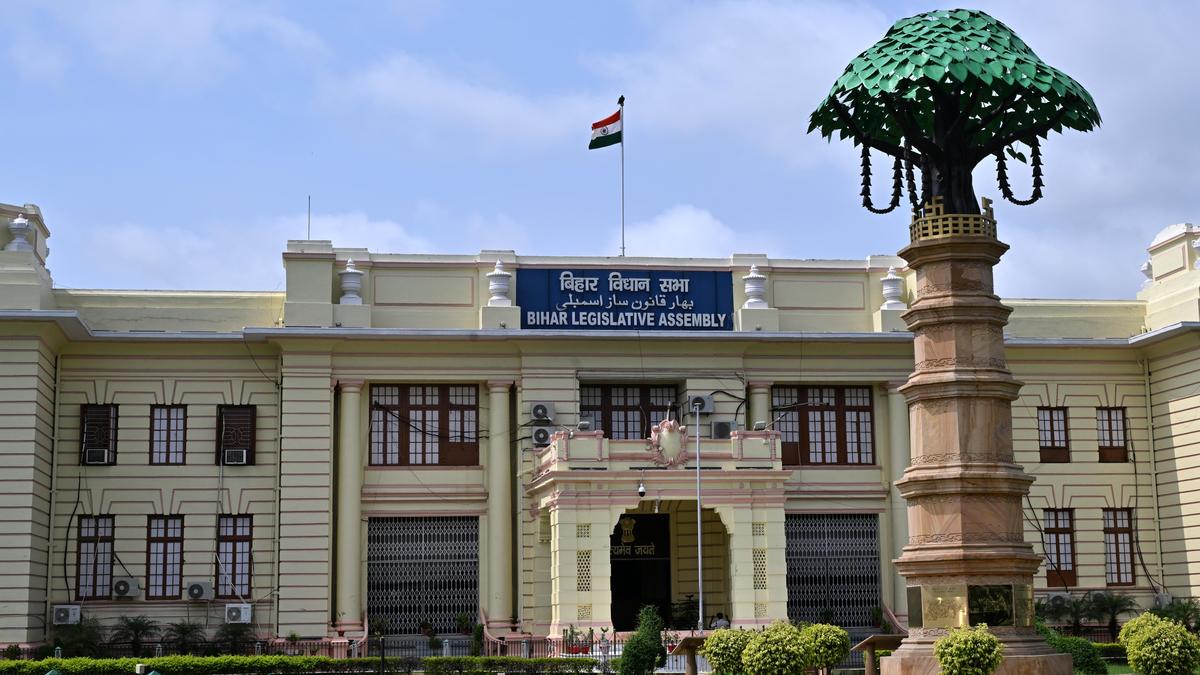
The Bihar cabinet has approved the 'Gram Panchayat Taxes, Rates and Fees Rules, 2026', granting Gram Panchayats the authority to levy and collect local taxes. The cabinet also authorized the delimitation of Gram Panchayats, Panchayat Samitis, and Zila Parishads to optimize administrative boundaries.
Empowering Grassroots Governance: Analysis of Bihar's New Panchayat Tax Rules
In a significant move toward fiscal decentralization, the Bihar state cabinet has granted approval to the draft "Gram Panchayat Taxes, Rates and Fees Rules, 2026." This legislative step empowers Gram Panchayats—the lowest tier of local self-government in India—to independently levy and collect various taxes, rates, and fees. By shifting the financial mechanism from a reliance on state-level grants to a model of self-generated revenue, Bihar is attempting to strengthen the autonomy of its rural administrative bodies.
The Shift Toward Fiscal Autonomy
Historically, most Gram Panchayats in India have operated as administrative arms of the state government, heavily dependent on the Finance Commission grants and state-sponsored schemes. The introduction of the 2026 Rules marks a strategic pivot toward increasing 'Own Source Revenue' (OSR). When local bodies have the power to collect taxes, they are no longer mere implementers of top-down directives but become active managers of their own financial destiny. This fiscal empowerment is expected to incentivize local leaders to identify and optimize local revenue streams, such as markets, sanitation fees, and property taxes, thereby reducing the burden on the state treasury.
Enhancing Local Infrastructure and Accountability
The broader implication of this policy is the potential for a surge in localized infrastructure development. With a dedicated stream of locally collected funds, Gram Panchayats can address immediate community needs—such as repairing village roads, improving street lighting, or managing waste—without awaiting bureaucratic approval from district or state headquarters. More importantly, this creates a critical loop of accountability: when citizens pay taxes directly to their local government, their demand for transparency and efficiency in public service delivery typically increases. This transformation from 'beneficiaries' to 'taxpayers' is a fundamental shift in the democratic relationship between the rural populace and their elected representatives.
The Strategic Role of Delimitation
Alongside the tax rules, the cabinet's decision to authorize the delimitation of Gram Panchayats, Panchayat Samitis, and Zila Parishads is equally pivotal. Delimitation—the process of redrawing boundaries—is essential to ensure that electoral constituencies reflect current population densities and demographic shifts. In a state as densely populated as Bihar, outdated boundaries often lead to skewed representation and inefficient resource allocation. By synchronizing the delimitation process with the new tax rules, the government is ensuring that the administrative geography is optimized before the new fiscal responsibilities are fully implemented, thereby preventing boundary disputes and ensuring equitable tax distribution.
Potential Challenges and Implementation Risks
Despite the theoretical benefits, the implementation of tax collection at the village level is fraught with challenges. There may be significant political resistance from local populations accustomed to free or subsidized services. Furthermore, the capacity of Gram Panchayat officials to maintain transparent accounting and prevent the leakage of funds is a major concern. To succeed, the Bihar government will need to implement robust digital auditing systems and provide extensive training to Panchayat secretaries and elected members to ensure that the collection process is fair, legal, and transparent.
Future Trends in Rural Governance
Looking forward, this move suggests a trend toward the 'Smart Village' concept, where rural hubs become self-sustaining economic units. If successful, Bihar's model could serve as a blueprint for other Indian states seeking to operationalize the spirit of the 73rd Constitutional Amendment Act, which envisioned Panchayati Raj Institutions (PRIs) as institutions of self-government. We can expect a future where local bodies leverage technology for tax collection (e-governance) and use their financial independence to attract private investments into rural enterprises.
Conclusion
The Bihar cabinet's decision to authorize tax collection and carry out delimitation represents a bold step toward genuine grassroots democracy. By combining financial power with administrative restructuring, the state is laying the groundwork for more responsive and sustainable rural governance. While the transition from a grant-based system to a tax-based system will be challenging, the long-term benefit of empowered, accountable, and self-reliant Gram Panchayats far outweighs the initial hurdles.
Verification Required?