"Income-Tax Payers Should Give Up Free Electricity": Bihar Chief Minister
Source Entity
NDTV News Search Records Found 1000
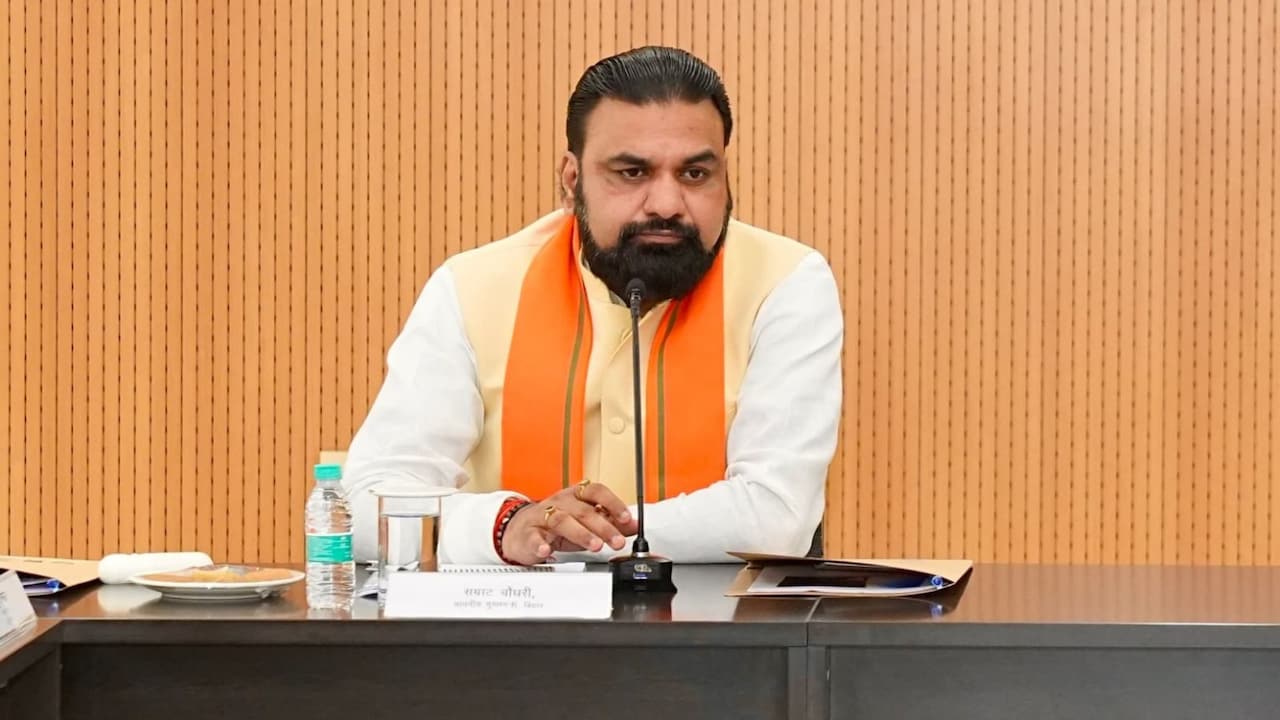
Bihar Chief Minister has urged income-tax payers to voluntarily forgo free electricity subsidies. He emphasized the necessity of fiscal responsibility and highlighted the critical role youth play in strengthening democracy.
Rethinking Subsidies: A Call for Fiscal Responsibility
The Bihar Chief Minister has issued a significant appeal to the state's residents, specifically targeting those who fall under the income-tax-paying bracket. The core of this message is a request for these citizens to voluntarily relinquish their claims to free electricity subsidies. This move is framed as a necessary step toward fiscal prudence, suggesting that government resources should be more effectively prioritized for those in genuine economic distress rather than being distributed universally.
The Economic Rationale for Targeted Welfare
By encouraging affluent sections of society to opt out of state-provided electricity benefits, the government aims to reduce the mounting burden on the public exchequer. In many Indian states, the cost of providing subsidized power is a massive drain on state finances, often limiting the ability of the administration to invest in long-term infrastructure, healthcare, and education. This request signals a shift toward a more targeted welfare model, where the government seeks to ensure that limited subsidies reach only the most vulnerable populations.
Empowering the Youth in Governance
Beyond the fiscal debate, the Chief Minister underscored the pivotal role of the youth in the health of the nation's democracy. By framing this economic appeal alongside democratic values, the administration is attempting to cultivate a sense of civic duty among younger generations. The narrative suggests that a robust democracy requires not just the exercise of voting rights, but also active participation in the equitable distribution of resources and national development.
Broader Implications for State Policy
If successful, this appeal could set a precedent for how state governments manage utilities and social welfare schemes. Moving away from 'freebie' culture toward a model of voluntary contribution among the wealthy could significantly alter the political discourse in Bihar. It challenges the traditional electoral strategy of promising universal freebies, instead favoring a narrative of shared responsibility and collective growth.
Historical Context and Future Trends
Historically, the provision of free or heavily subsidized electricity has been a hallmark of populist politics in India. However, as states face increasing debt-to-GDP ratios, the sustainability of such programs has come under intense scrutiny from economists and central policy bodies. This initiative reflects a growing trend where state leaders are beginning to address the long-term viability of their utility sectors, potentially paving the way for more rationalized pricing structures in the future.
Conclusion: A Call to Civic Action
The Chief Minister's dual focus on fiscal responsibility and the role of the youth suggests a broader vision for Bihar's political future. By asking tax-paying citizens to forgo subsidies, the government is testing the appetite for a more balanced approach to public spending. The ultimate success of this initiative will depend on the public's response and whether it can foster a culture of civic duty that transcends traditional electoral expectations.
Verification Required?