No more middlemen? Bihar will offer property registry at doorstep for senior citizens
Source Entity
Santosh Singh
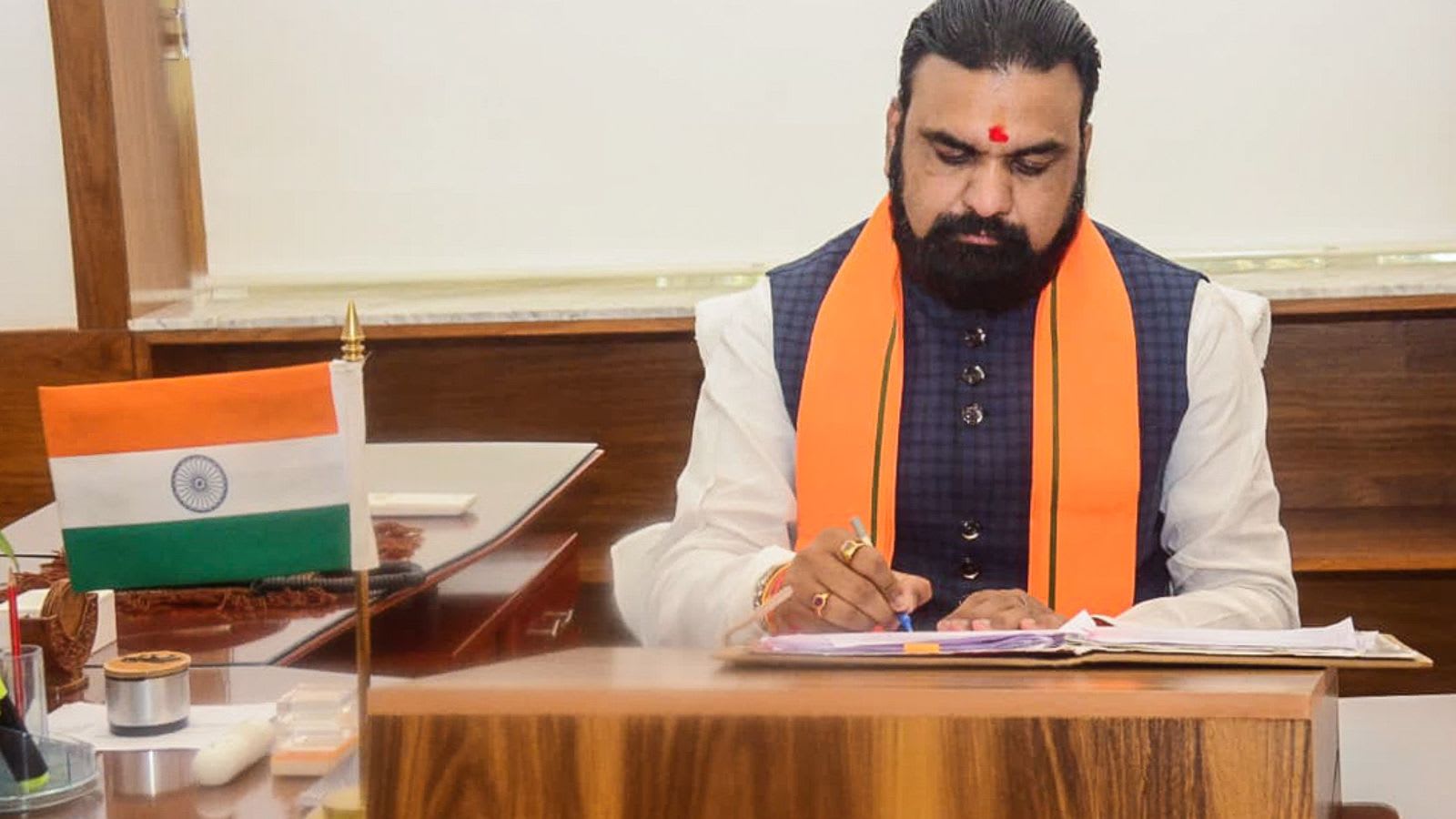
Bihar Chief Minister Samrat Choudhary has launched a doorstep property registration service specifically for senior citizens aged 75 and above to eliminate the influence of middlemen and reduce the physical burden on the elderly.
Revolutionizing Land Governance: Bihar's Doorstep Registry for Seniors
In a significant move toward inclusive governance, Bihar Chief Minister Samrat Choudhary has announced the launch of a doorstep property registration service tailored for senior citizens aged 75 years and above. This initiative is designed to decouple the essential process of land registration from the physical constraints of government offices, ensuring that the most vulnerable segment of the population can exercise their property rights without undue hardship. By bringing the registry office to the home of the citizen, the state government aims to enhance accessibility and restore dignity to the administrative process for the elderly.
Dismantling the Ecosystem of Middlemen
One of the primary drivers behind this policy is the systemic eradication of "middlemen" or unauthorized intermediaries who have historically plagued the land registry system in India. In many rural and semi-urban areas of Bihar, the complexity of paperwork and the intimidating nature of government bureaucracy often force elderly citizens to rely on third-party agents. These intermediaries frequently charge exorbitant fees and, in some cases, manipulate legal documents for personal gain. By providing a direct, government-sanctioned doorstep service, the Bihar government is effectively cutting out these predatory layers, ensuring that the transaction remains transparent, legal, and cost-effective for the property owner.
Addressing the Physical and Psychological Burden
For individuals aged 75 and older, a trip to a government registry office is often more than a mere inconvenience; it can be a grueling physical ordeal. Long queues, inadequate seating, and the necessity of multiple visits for verification can lead to significant health risks and psychological stress. This policy recognizes the intersection of age-related mobility issues and administrative requirements. By shifting the burden of travel from the citizen to the state official, Bihar is adopting a "citizen-centric" model of administration that prioritizes the well-being of its senior residents over rigid bureaucratic protocols.
Historical Context of Land Administration in Bihar
To understand the weight of this initiative, one must consider Bihar's historical struggle with land records. The state has long been characterized by complex land disputes, fragmented records, and a legacy of litigation that often spans generations. Land is not just a financial asset in Bihar but a deeply emotional and social marker of status. Historically, the difficulty in updating titles or registering deeds has contributed to the proliferation of illegal land grabbing and disputes. This doorstep service is a tactical step in a larger strategy to modernize land governance and reduce the friction associated with legal ownership transfers.
Integration with E-Governance and Digital India
While the service is delivered physically at the doorstep, it likely leverages the broader framework of India's digital transformation. The integration of biometric verification and digital record-keeping allows officials to verify identities and update registries in real-time, even outside the traditional office setting. This hybrid approach—combining digital efficiency with physical outreach—serves as a blueprint for how the "Digital India" vision can be implemented in regions where digital literacy among the elderly remains low. It ensures that technology serves as an enabler rather than a barrier to access.
Future Trends and Policy Implications
This initiative is likely to set a precedent for other states in India, potentially leading to the expansion of doorstep services for other critical government functions, such as pension renewals or voter registration. As the global population ages, governments will be forced to pivot from a "come-to-us" model to a "we-come-to-you" service delivery system. If successfully implemented in Bihar, this model could be scaled to include citizens with severe disabilities or those in remote geographical areas, further democratizing access to state services.
Conclusion
Chief Minister Samrat Choudhary's introduction of doorstep registration for seniors is more than a logistical convenience; it is a targeted intervention against corruption and age-based marginalization. By removing the reliance on middlemen and acknowledging the physical limitations of the elderly, Bihar is moving toward a more compassionate and efficient administrative state. The success of this program will ultimately depend on the integrity of the officials deployed to the field, but the policy framework itself represents a bold step toward equitable land governance.