Satisfied with the offer but would be happy when those killed Bharat Tiwari be punished, hanged: demands Tiwari’s family members
Source Entity
India Latest News: Top National Headlines Today & Breaking News | The Hindu
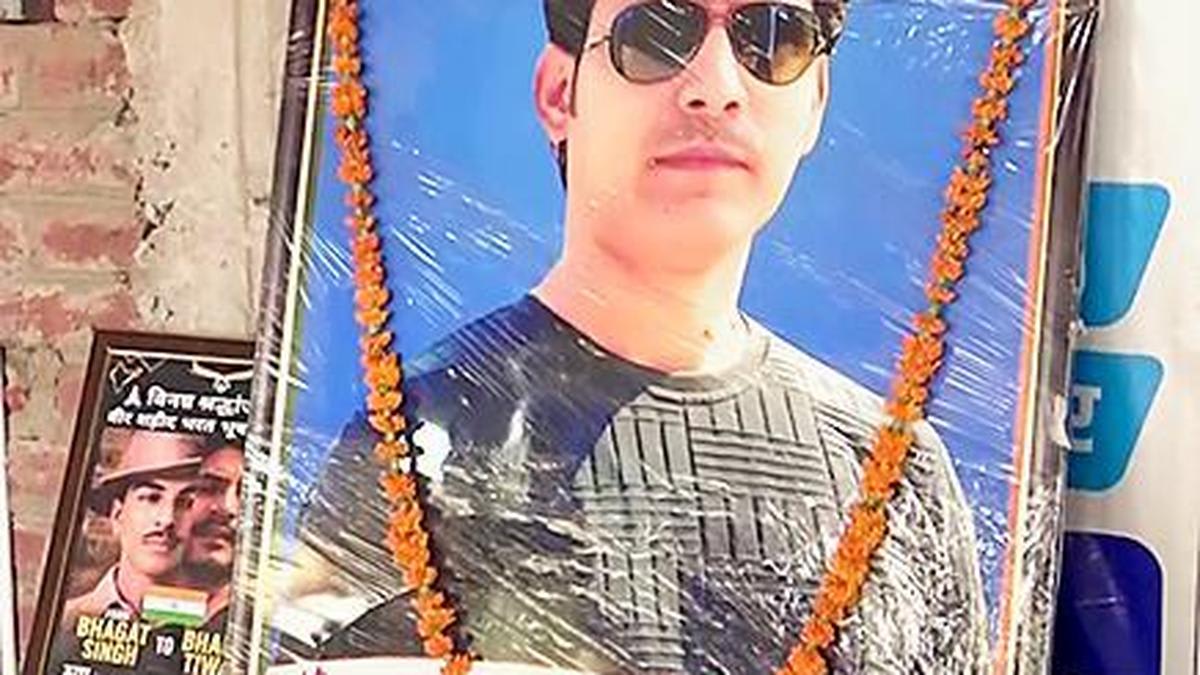
The family of Bharat Bhushan Tiwari has rejected a government compensation package following his death in an alleged June 2026 police encounter. They are demanding criminal accountability and the death penalty for the officers involved before accepting any state assistance.
The Quest for Accountability in the Bhojpur Encounter
The case surrounding the death of Bharat Bhushan Tiwari, who was killed during an alleged police encounter in Bilauti village, Bhojpur district, on June 17, 2026, has reached a critical impasse. While the Bihar government recently extended an offer of financial assistance and a government job to the bereaved family, the victims' relatives have publicly refused to accept these terms. Their stance highlights a profound tension between state-led reconciliation efforts and the family's pursuit of judicial retribution.
The Demand for Legal Justice
For the family of Bharat Tiwari, the government’s compensatory offer is secondary to the immediate need for criminal accountability. By explicitly stating that they will not accept any form of state support until those responsible for the encounter are "punished and hanged," the family is shifting the focus from financial restitution to the fundamental integrity of the justice system. This demand reflects a deep-seated distrust in the narrative of the encounter, positioning the incident not as a standard police action, but as an act of extrajudicial violence that requires a capital punishment outcome to satisfy their sense of justice.
The Controversy of Alleged Encounters
Alleged police encounters in India often spark intense public debate regarding the rule of law and the limits of state power. When an incident is labeled as an "alleged encounter," it implies a lack of transparency and a potential misuse of force by law enforcement agencies. The family's refusal to accept the government's offer serves as a form of protest, signaling that they view the compensation as a potential attempt to settle the matter without addressing the underlying allegations of police misconduct that occurred in Bilauti village.
Broader Implications for Governance
This standoff in Bihar underscores the complexities involved in state-citizen relations following cases of police violence. When a government attempts to mitigate public outcry through ex-gratia payments and employment guarantees, it often risks being perceived as "hush money" if the underlying legal grievances are not simultaneously addressed through an impartial investigation. The family’s insistence on discussing the offer internally while maintaining their primary demand for the perpetrators' execution highlights the emotional and political weight of the case.
Future Trends and Judicial Oversight
As this situation unfolds, the pressure on the Bihar administration to ensure a transparent investigation will likely intensify. If the government fails to initiate a credible inquiry into the June 17 incident, the family's refusal to accept the current offer may lead to further civil unrest or legal challenges. The case serves as a reminder that in the eyes of victims' families, justice is not measured in financial terms but in the effective prosecution of those who wield state authority to commit alleged crimes. The resolution of this case will likely set a precedent for how future allegations of police encounters are handled in the region.
Verification Required?