Trump Dismisses Concerns Over Conditions On US Aircraft Carrier
Source Entity
NDTV News Search Records Found 1000
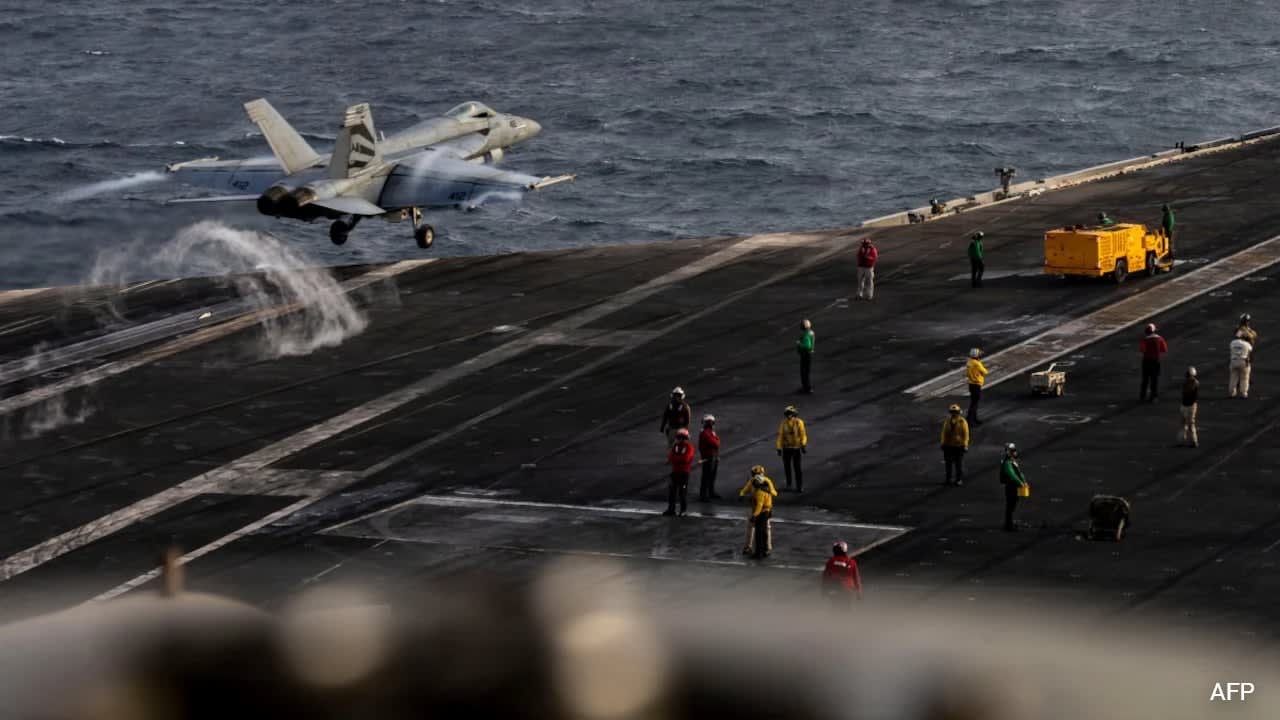
President Trump dismissed concerns regarding the nine-month deployment of the USS Abraham Lincoln, contradicting reports of poor living conditions and crew distress. Families of the 5,000 personnel on board have cited issues ranging from food shortages to mental health crises.
The Deployment Controversy Surrounding the USS Abraham Lincoln
President Donald Trump has publicly dismissed growing concerns regarding the extended deployment of the USS Abraham Lincoln, a Nimitz-class aircraft carrier that has spent approximately nine months at sea. While families of the roughly 5,000 sailors and Marines on board have voiced significant alarm over the duration of the mission, the President characterized these anxieties as non-existent, explicitly stating that families were not worried despite reports to the contrary.
Operational Strain and Maritime Challenges
The USS Abraham Lincoln’s current mission has been marked by extreme operational intensity, including over 200 days without a port call and sustained combat operations in the Middle East. Such prolonged periods at sea represent a significant departure from standard naval deployment cycles. The logistical strain of maintaining a carrier strike group for this duration often leads to equipment fatigue and, more critically, the degradation of crew morale and physical health.
Conditions Aboard the Carrier
Reports emerging from the families of the crew suggest that the living conditions on the vessel have deteriorated significantly. Specific grievances cited include food shortages, contaminated water supplies, and the proliferation of mold in shower facilities. These environmental factors, combined with the pressure of lengthy shifts during active combat operations, have reportedly pushed some personnel to their breaking point. Bloomberg has even reported allegations that the stress has become so severe that some sailors have attempted to jump overboard.
The Intersection of Policy and Personnel Welfare
The dismissal of these concerns by the Commander-in-Chief highlights a tension between military necessity and the welfare of service members. By labeling the concerns as invalid, the administration has signaled a priority on the strategic presence provided by the carrier over the immediate quality-of-life complaints raised by the families of those serving. This stance potentially complicates the relationship between the military leadership, the executive branch, and the families who support the personnel.
Broader Implications for Naval Readiness
This incident raises broader questions regarding the sustainability of the U.S. Navy’s current deployment tempo. As the military faces increasing demands across multiple theaters, the strain on both hardware and human capital becomes more apparent. Historically, the Navy has relied on strict rotation schedules to prevent burnout; however, the current situation suggests that geopolitical pressures are forcing the military to push its assets and personnel beyond traditional limits.
Future Outlook and Conclusion
Looking forward, the debate over the USS Abraham Lincoln serves as a case study for the challenges of long-term power projection. If reports of poor conditions persist, the military may face increased scrutiny regarding its duty of care toward its sailors. The administration’s refusal to acknowledge these concerns suggests that the current operational tempo is likely to continue until the ship is officially relieved, leaving the families and the crew to navigate these difficult conditions without top-level political validation of their hardships.
Verification Required?