Bharat Tiwari killing: Two months on, Bihar government offers aid to family, Opposition says not enough
Source Entity
Santosh Singh
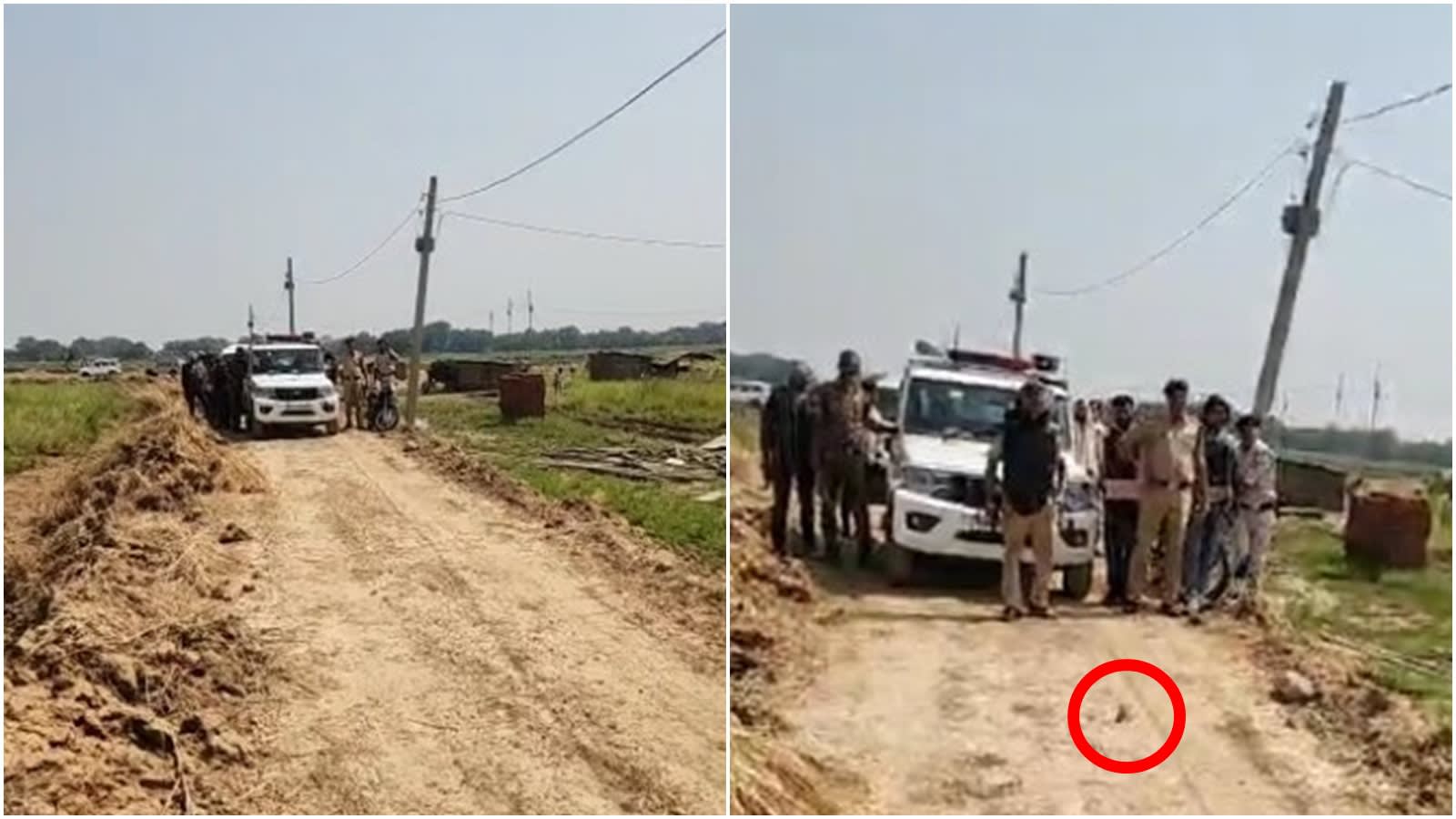
The Bihar government has announced financial aid and a job for the family of Bharat Bhushan Tiwari, who died in a June 2026 police encounter. This decision follows an interim report from a judicial commission investigating allegations of a fake encounter.
The Bhojpur Encounter: A Complex Case of Accountability
On August 13, 2026, the Bihar government, led by Chief Minister Samrat Choudhary, announced a compensation package comprising financial assistance and a government job for the kin of Bharat Bhushan Tiwari. This decision marks a significant development in the aftermath of the June 17, 2026, incident in Bilauti village, Bhojpur district, where the 28-year-old Tiwari was killed during a police encounter. The event, which drew immediate public and political scrutiny, has now reached a pivotal stage following the submission of an interim report by a judicial commission.
Context of the Incident
The controversy surrounding Tiwari’s death began shortly after a viral video emerged showing him wielding an illegal firearm and allegedly threatening local police officers. The subsequent encounter, which resulted in his death, sparked immediate outrage. Family members, local villagers, and various opposition leaders converged on Tiwari’s home, characterizing the event as a 'fake encounter' and demanding a thorough investigation. The discrepancy between the police narrative of a legitimate encounter and the public perception of an extrajudicial killing created a volatile political environment.
The Role of Judicial Oversight
In response to the public outcry, the state government initiated a judicial inquiry to determine the veracity of the encounter. The recent announcement of aid is explicitly linked to the findings of the commission's interim report. By tying the compensation directly to the judicial process, the Bihar government appears to be attempting to balance law enforcement prerogatives with the need for public accountability. This move signifies an acknowledgment that the circumstances surrounding the death warranted a formal, independent review rather than relying solely on police accounts.
Political Implications and Opposition Reaction
While the government's announcement is a gesture of reconciliation, it has not fully quelled the unrest. Opposition factions have argued that the provided aid is insufficient, continuing to press for further accountability regarding the conduct of the officers involved. The case highlights the perennial tension in Indian politics regarding police conduct and the use of force. The government's decision to provide a job and financial support serves as a strategic attempt to de-escalate local tensions while the final findings of the commission are awaited.
Future Trends in Police Accountability
This incident in Bhojpur underscores a broader trend where viral social media evidence forces governments to accelerate judicial investigations into police actions. As mobile documentation becomes ubiquitous, the state is increasingly pressured to provide transparent, evidence-based justifications for lethal force. The outcome of the final judicial report will likely serve as a precedent for how the Bihar administration handles future allegations of police misconduct, potentially shaping the operational protocols for law enforcement in the region.
Conclusion
The case of Bharat Bhushan Tiwari remains a sensitive issue that bridges the gap between law and order concerns and human rights advocacy. With the interim report providing the basis for the current relief package, all eyes are now on the final recommendations of the judicial commission. Whether this settlement marks the end of the controversy or merely a chapter in a longer legal battle remains to be seen, as the family and political stakeholders continue to monitor the state's handling of the investigation.