51 Bihar-bound trains cancelled, 47 diverted due to new rail bridge work at Mokama on September 26; Check details
Source Entity
Anish Mondal
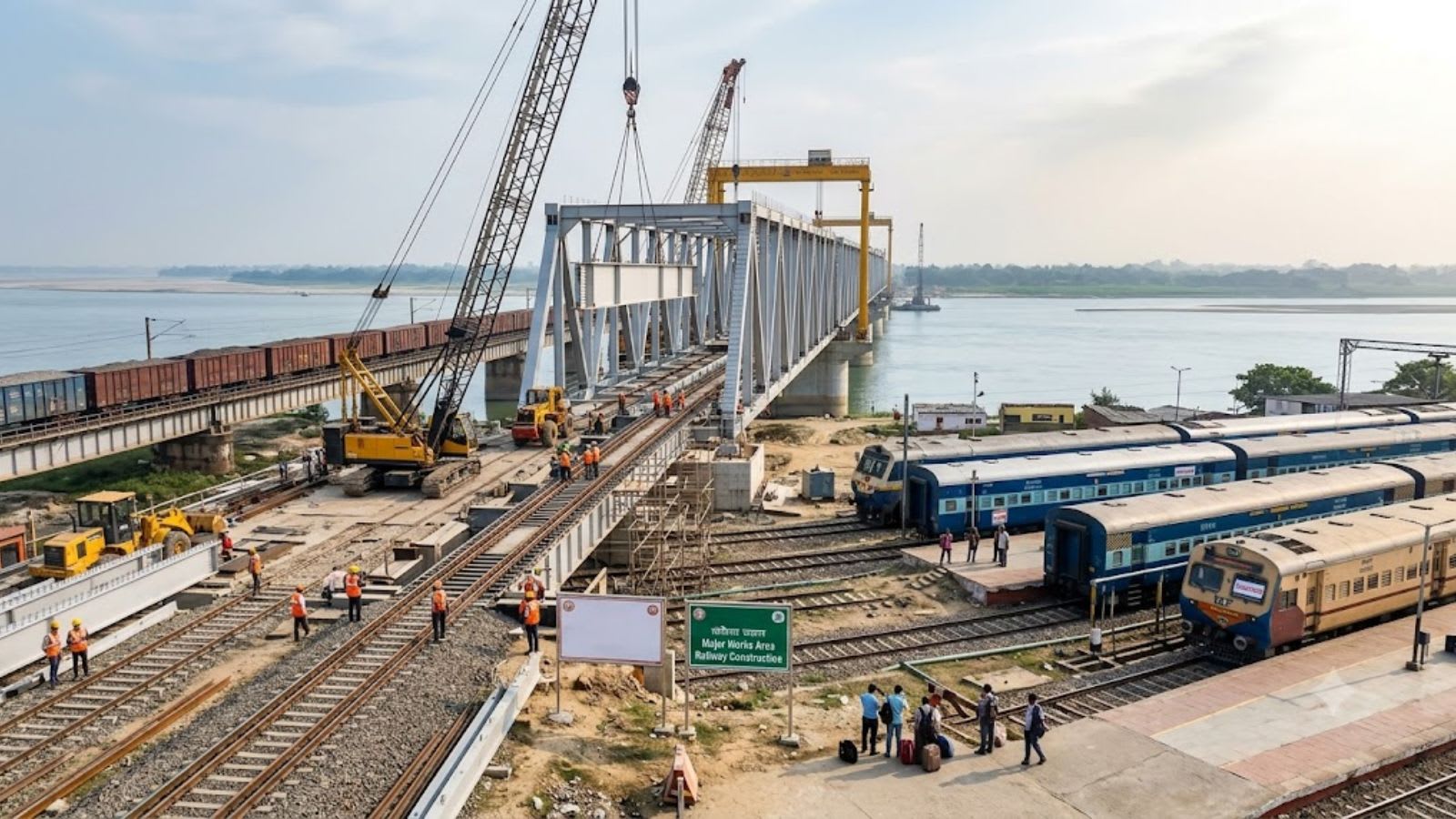
Indian Railways has significantly disrupted Bihar-bound train services due to essential infrastructure work near the Mokama bridge. A total of 51 trains are cancelled, 47 diverted, and 11 short-terminated to facilitate the construction of a new rail bridge.
Major Rail Disruptions in Bihar: Infrastructure Upgrades at Mokama
On September 26, the East Central Railway (ECR) initiated critical infrastructure operations at the Rajendra Pul near Mokama, Bihar. The project centers on the commissioning of a new rail bridge designed to run parallel to the historic Rajendra Bridge over the Ganga River. Due to the complexity of these non-interlocking (NI) works, the railway administration has been forced to implement significant adjustments to regional and long-distance train schedules.
Scope of Service Disruptions
The scale of the disruption is substantial, reflecting the logistical challenges of modifying active rail corridors. According to official statements from ECR Chief Public Relations Officer Saraswati Chandra, a total of 51 Bihar-bound trains have been cancelled, while an additional 47 trains have been diverted to alternative routes. Furthermore, 11 services are either short-terminated or short-originated, requiring passengers to make alternative arrangements for the final leg of their journeys.
The Necessity of Infrastructure Modernization
The construction of a new bridge parallel to the existing Rajendra Bridge is a strategic move to alleviate congestion and improve the structural reliability of the rail network in Bihar. The Rajendra Bridge has long served as a vital link across the Ganga, but increasing traffic demands necessitate modern infrastructure to handle higher train frequencies and heavier loads. These upgrades are essential for the long-term safety and efficiency of the Indian Railways network in one of the country's most densely populated regions.
The Impact of Non-Interlocking (NI) Works
Non-interlocking work is a technical process required whenever new tracks, signals, or bridges are integrated into an existing railway system. During this phase, automated signaling systems are often manually operated or temporarily suspended to ensure safety while physical connections are made. This process requires a complete halt to train traffic in the affected sector, which explains the high number of cancellations and diversions observed during the Mokama project.
Future Implications for Rail Travel
While the current disruption causes significant inconvenience to commuters, the commissioning of the new bridge is expected to yield long-term benefits. Once completed, the parallel structure will provide redundancy, allowing for faster transit times and a reduction in the bottlenecking that frequently plagues rail traffic near the Ganga crossing. This project represents a broader push by Indian Railways to modernize aging colonial-era infrastructure with contemporary engineering standards.
Concluding Summary
The temporary suspension of services at Mokama is a necessary hurdle in the ongoing modernization of Bihar's railway infrastructure. Passengers are advised to verify their specific train status through official channels before travel, as the impact of these NI works is widespread. Once the new bridge is operational, the network will be better equipped to handle the growing demand for connectivity in the region.