Stone pelting on Nagpur-Mumbai Duronto Express cracks windows of 3 coaches, case lodged
Source Entity
Anish Mondal
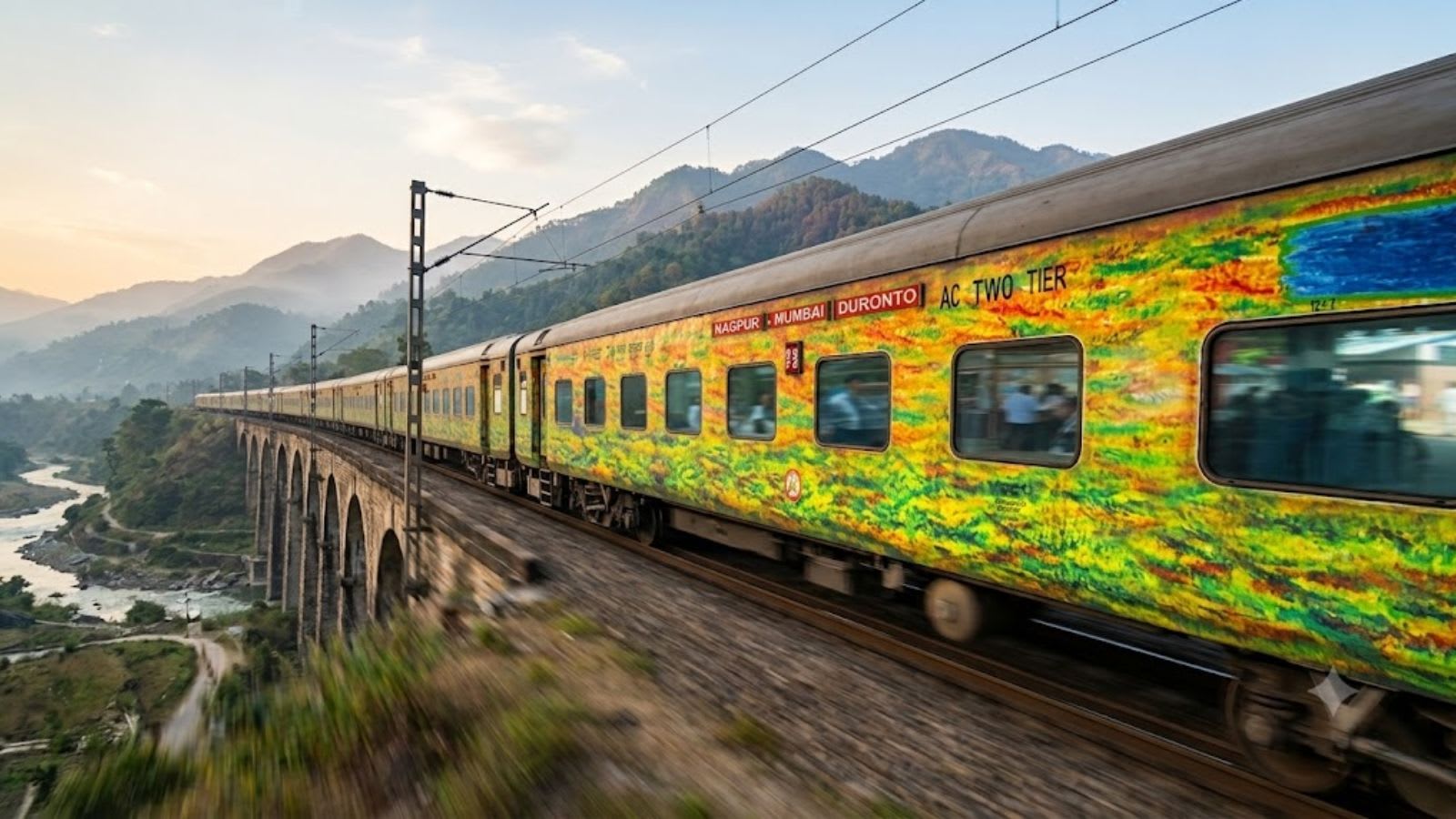
The Nagpur-Mumbai CSMT Duronto Express suffered window damage due to stone-pelting near Borkhedi station on September 25, 2026. Fortunately, no passengers were injured, and authorities have launched a formal investigation into the incident.
Incident Overview: Stone-Pelting on Duronto Express
On the evening of September 25, 2026, the Nagpur-Mumbai CSMT Duronto Express (train number 12290) was the target of a dangerous act of vandalism. Shortly after passing Borkhedi Station in Maharashtra, approximately 35 kilometers from Nagpur, the train was struck by objects thrown from the outside. The incident occurred at approximately 8:27 pm, causing significant alarm among passengers and crew on board.
Damage Assessment and Safety
The projectiles struck three specific coaches: A-1, B-2, and B-5. The impact was sufficient to shatter and crack the reinforced window glass of these carriages. While the structural integrity of the train remained sound, the potential for severe injury to passengers was high. Fortunately, officials confirmed that no passengers sustained injuries during the event, a stroke of luck given the speed at which the train was traveling at the time of the impact.
Institutional Response and Investigation
Railway authorities reacted promptly to the distress signal. Dr. Swapnil Nila, the Chief Public Relations Officer (CPRO) for Central Railway, stated that the incident was reported at 8:46 pm. In response, the Railway Protection Force (RPF) and the Government Railway Police (GRP) mobilized immediately. A coordinated search operation was conducted in the Borkhedi-Sindhi section, specifically targeting the area between kilometer markers 803 and 796.
Broader Implications for Railway Security
This incident highlights the persistent challenge of vandalism along high-speed rail corridors in India. Stone-pelting acts not only cause expensive property damage to public infrastructure but also jeopardize the safety of thousands of commuters daily. Such acts disrupt schedules and create an environment of fear, necessitating a more robust security presence along vulnerable stretches of track that are prone to unauthorized access.
Historical Context and Future Trends
Historically, stone-pelting on trains has been a recurring issue in various parts of the country, often occurring in rural or semi-urban areas adjacent to tracks. As India continues to upgrade its rail network with faster trains like the Duronto and Vande Bharat series, the vulnerability of glass windows to external projectiles becomes a critical design and security consideration. Future trends suggest that railways may need to deploy more advanced surveillance, such as AI-enabled CCTV monitoring or increased fencing in high-risk zones, to mitigate these risks.
Conclusion
The events of September 25 remain under active investigation by the RPF and GRP. While the immediate danger has passed, the incident serves as a reminder of the need for public awareness regarding the severe criminal implications of tampering with railway property. Ensuring the safety of passengers requires not only police intervention but also community-based efforts to prevent such reckless endangerment of public transport.