Bill Gates wants to see a robot tax and ‘Human Reserved’ jobs to mitigate harms from AI
Source Entity
Russell Brandom
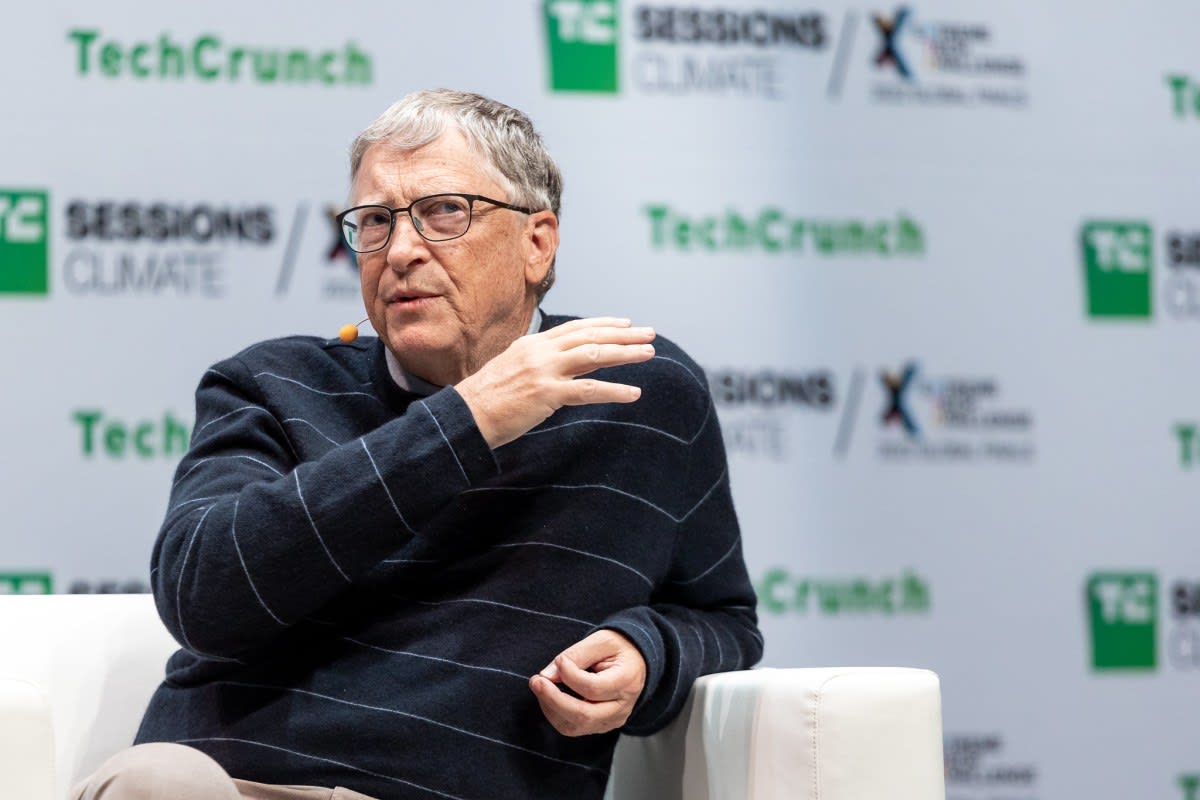
Bill Gates has released a 6,000-word essay warning that the rapid, unplanned advancement of AI will cause immense societal upheaval. He advocates for 'human reserved' job sectors to protect employment and calls for urgent global regulatory coordination.
The Warning of a New Era
Bill Gates, the co-founder of Microsoft and a long-time observer of technological shifts, has published a comprehensive, 6,000-word essay titled The turbulent AI era is here. The choices we make now are critical. This document marks a significant tonal shift for Gates, who has moved from his earlier, more optimistic stance—where he likened the AI revolution to the emergence of the internet and personal computing—to a position of deep concern regarding the lack of global preparation for the rapid deployment of artificial intelligence.
The Absence of a Strategic Plan
A central theme of Gates's warning is the lack of a cohesive roadmap for handling the massive societal changes AI will trigger. He explicitly argues that companies are accelerating the deployment of AI technologies without considering the broader ramifications on employment, safety, and human well-being. According to Gates, there is currently no evidence that global leaders, experts, or local communities are adequately confronting the challenges that this transition will inevitably bring, leading to what he characterizes as one of the most turbulent periods in human history.
Defining 'Human Reserved' Domains
To mitigate the potential for widespread job displacement, Gates has proposed the concept of "human reserved" jobs. Drawing an analogy to nature reserves, where land is protected from industrial development to preserve ecosystems, Gates suggests that society should designate specific professional roles that remain off-limits to AI and robotics. This strategy aims to ensure that certain functions remain intrinsically human, preventing the total encroachment of digital automation into every sector of the workforce.
A Call for Regulatory Urgency
Gates’s missive serves as a direct challenge to governments and policy-makers who are currently trailing behind the pace of innovation. By emphasizing that many jobs will disappear permanently, he highlights the urgent need for structural economic changes. His call for global coordination suggests that individual national policies will be insufficient to manage a technology that transcends borders and fundamentally alters the global labor market and human productivity.
Implications for the Future
The transition into the AI era, as described by Gates, will likely be defined by the choices made today. The shift from his 2023 optimism to his current, more somber outlook reflects a growing consensus among some technology pioneers that the speed of AI progress is currently outpacing our institutional capacity to regulate it. The debate now shifts from whether AI will change the world to how humanity can survive the transition without experiencing catastrophic losses to the social fabric.
Conclusion
Bill Gates’s latest intervention is a call to action for stakeholders across all sectors. By highlighting the risks of uncontrolled development and proposing conceptual safeguards like "human reserved" domains, he is attempting to reclaim a central role in the discourse surrounding AI governance. The core takeaway remains that without proactive, global planning, the "turbulent era" he describes could lead to significant and long-lasting societal instability.
Multiple Citing Sources