Six billionaires who are not leaving their fortunes to their children
Source Entity
TOI WORLD DESK
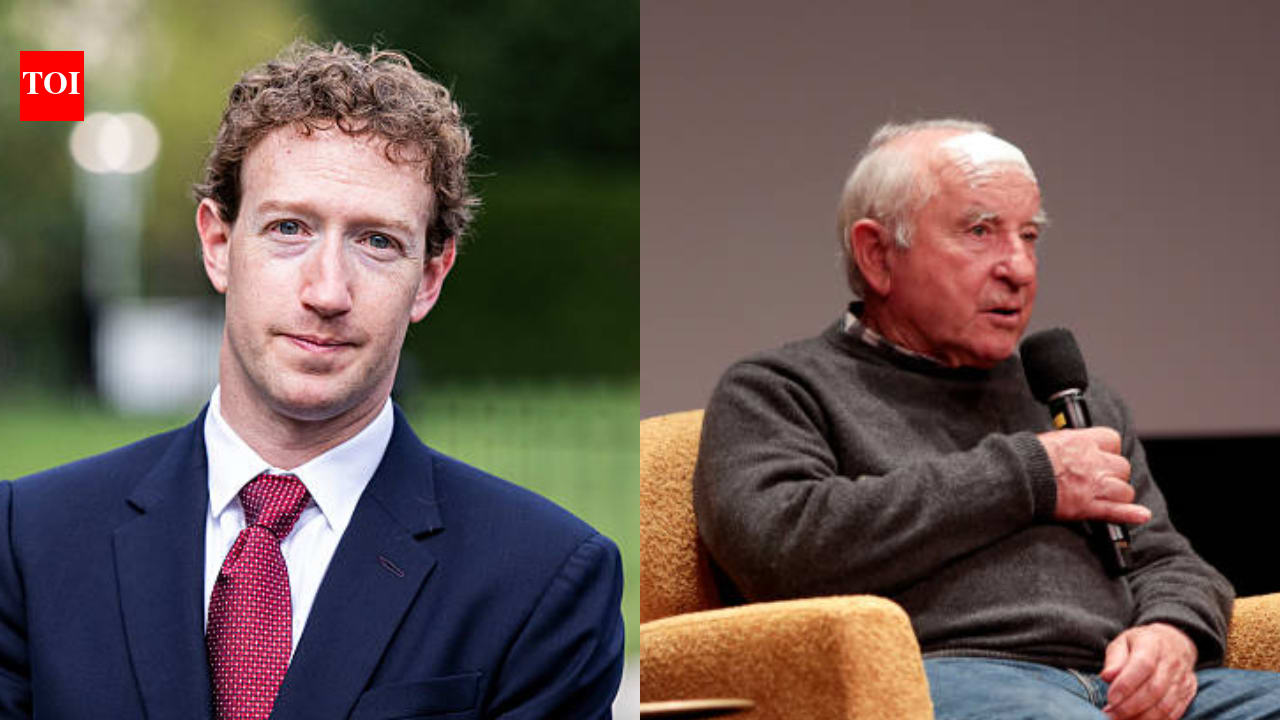
A growing trend among billionaires, including figures like Mark Zuckerberg and Warren Buffett, involves pledging to donate the majority of their wealth to philanthropy rather than passing it to heirs. This shift reflects a move toward fostering independence and social responsibility over dynastic wealth accumulation.
The Shift Toward Philanthropic Legacies
The landscape of generational wealth is undergoing a profound transformation as some of the world's wealthiest individuals choose to bypass traditional inheritance models. By opting to direct their fortunes toward charitable causes rather than their own descendants, figures such as Mark Zuckerberg and Warren Buffett are challenging the historical norm of dynastic wealth preservation. This trend highlights a fundamental shift in values, where the focus moves from maintaining familial riches to addressing systemic global issues.
The Philosophy of Independence
At the heart of this movement is a belief in the necessity of self-reliance. Proponents of this philosophy argue that providing children with immense, unearned wealth can stifle personal ambition and hinder the development of a strong work ethic. By limiting the financial inheritance passed down to their offspring, these billionaires aim to provide their children with the opportunity to forge their own paths and experience the value of personal achievement, independent of their family name.
The Impending Wealth Transfer
As the global economy prepares for a massive transfer of wealth over the next two decades, the decision to pivot toward philanthropy becomes increasingly significant. This period is expected to see trillions of dollars move between generations; however, the choice made by high-profile individuals to divert these funds into social good suggests that the future of wealth may be defined more by impact than by accumulation. This creates a new paradigm in which billionaire foundations may become primary drivers of social change.
A Case Study in Inheritance
Recent reports underscore this trend, noting instances where heirs to massive fortunes—such as one individual inheriting $14.9 billion—have explicitly stated that these funds will not be passed on to their own children. This decision serves as a concrete example of the internal shift within elite families, where the legacy of a founder is prioritized through charitable endowments rather than the simple transmission of liquid capital or corporate control.
Broader Social and Economic Implications
The decision to eschew traditional inheritance models has far-reaching implications for both the economy and the non-profit sector. As private wealth is increasingly deployed for public good, we may see a rise in the effectiveness of private philanthropy in tackling climate change, healthcare, and educational disparities. However, this also raises questions regarding the concentration of power, as unelected individuals gain significant influence over societal priorities through their philanthropic mandates.
Future Trends in Wealth Management
Looking forward, it is likely that we will see more ultra-high-net-worth individuals formalizing these intentions through vehicles like the Giving Pledge. This movement is not merely a trend but a strategic redirection of capital that will likely influence how future generations view the responsibilities of the wealthy. As this philosophy gains traction, the traditional concept of a 'family fortune' may be replaced by the concept of a 'legacy of impact,' fundamentally changing the trajectory of global wealth distribution.