Birds get jet lag too: How time zone changes affect their navigation
Source Entity
The Indian Express
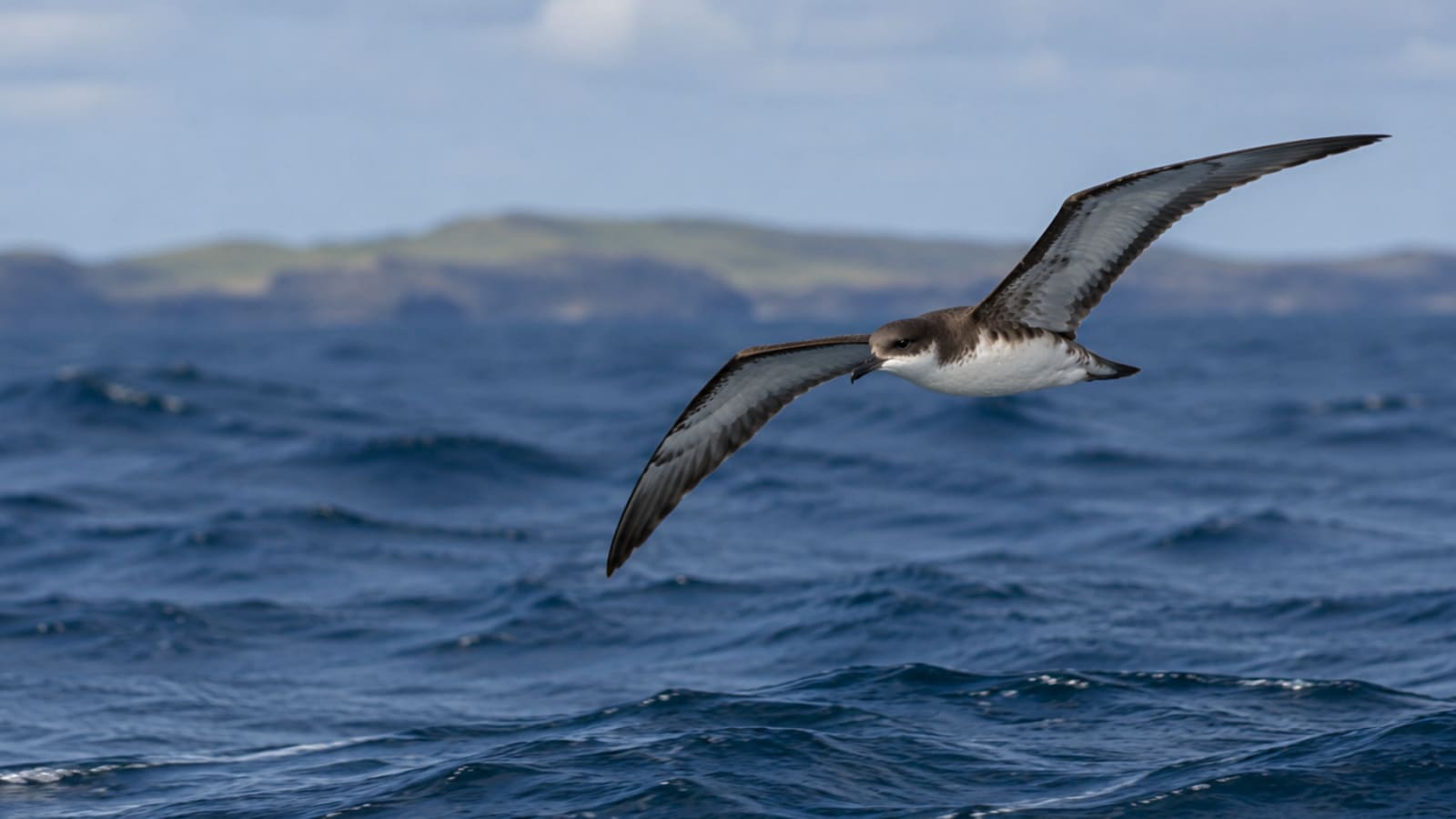
A new study reveals that Manx shearwaters experience a form of jet lag that disrupts their sun-based navigation. This research highlights how rapid travel across time zones impacts the internal biological clocks of migratory seabirds.
The Biological Clock: Beyond Human Experience
For decades, scientists have understood that humans and various other mammals possess circadian rhythms—internal biological clocks that regulate sleep-wake cycles and physiological functions. However, recent research published in Science on October 29 has expanded our understanding of this phenomenon to the avian world, specifically focusing on the Manx shearwater. This study provides compelling evidence that jet lag is not merely a human inconvenience associated with long-haul air travel, but a biological hurdle that migratory species must navigate.
The Mechanics of Avian Navigation
Manx shearwaters are renowned for their incredible endurance and long-distance migratory capabilities. Their navigation relies heavily on an internal clock that allows them to use the sun as a compass—a process known as sun-compass orientation. By tracking the sun's position relative to their internal time, these birds can determine direction with remarkable precision. The recent study suggests that when these birds cross multiple time zones rapidly, the resulting 'jet lag' creates a mismatch between their internal biological timing and the local solar time.
The Impact of Time Zone Mismatch
When a bird's internal clock is out of sync with the actual position of the sun in a new time zone, the bird's navigation system suffers. Because their internal clock is lagging or leading, their calculation of where the sun 'should' be is inaccurate. This disorientation can lead to significant navigational errors, forcing the birds to compensate for a reality that does not align with their biological expectations. This discovery shifts the focus from purely physical fatigue to cognitive and perceptual confusion during migration.
Implications for Avian Conservation
Understanding the physiological stressors of migration is crucial for conservation efforts. As global climate patterns shift and migratory routes are potentially altered or accelerated, the frequency of these navigational errors could increase. If birds are consistently disoriented by rapid changes in time zones, their ability to find food, reach breeding grounds, or return to nesting sites could be compromised, potentially impacting population stability over time.
Future Research Directions
This study serves as a foundational piece of research that opens doors to further inquiry. Future studies might investigate whether other migratory species that traverse longitudinal lines experience similar degrees of disorientation. Furthermore, researchers may look into whether these birds have evolved mechanisms to 'reset' their clocks more quickly than humans, or if they rely on secondary navigation cues—such as magnetic fields—to override the confusion caused by their sun-compass when it fails.
Conclusion
The revelation that Manx shearwaters experience jet lag underscores the complexity of avian biology and the interconnectedness of internal rhythms with environmental cues. By identifying that rapid time zone changes disrupt a bird's ability to navigate, scientists have gained a deeper appreciation for the challenges migratory seabirds face. As we continue to study these magnificent creatures, it becomes clear that their mastery of the skies is governed by a delicate, and sometimes fragile, synchronization with the planet's rotation.