Bitcoin threatens $62K in risk-asset rout as Donald Trump says US will 'run' closed Hormuz Strait
Source Entity
Cointelegraph by William Suberg
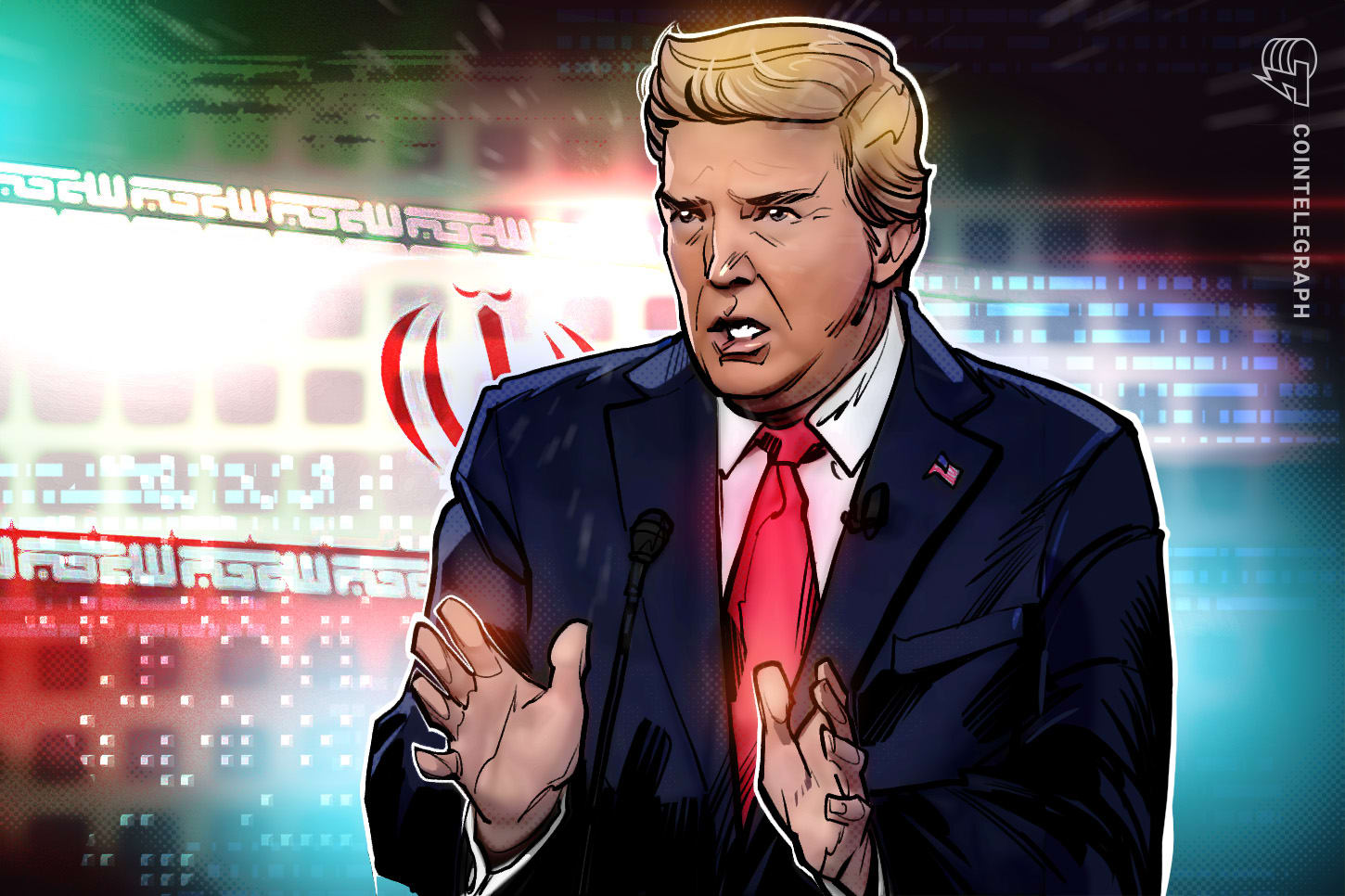
<p style="float: right; margin: 0 0 10px 15px; width: 240px;"><img alt="Bitcoin threatens $62K in risk-asset rout as Donald Trump says US will 'run' closed Hormuz Strait" class="type:primaryImage" src="https://s3-images.ctmedia.io/media/article-covers/hi-trump-speak-iran-1.jpg" /></p><p>Bitcoin bulls faced an uphill struggle to preserve $62,000 as stocks opened down on Strait of Hormuz rhetoric between the US and Iran.</p>
Geopolitical Volatility and the Crypto Market: Analyzing the $62K Bitcoin Threshold
The cryptocurrency market is currently experiencing a period of heightened volatility, with Bitcoin (BTC) struggling to defend the critical psychological and technical support level of $62,000. This downward pressure is not the result of internal network failures or regulatory crackdowns within the crypto space, but rather a systemic "risk-off" reaction to escalating geopolitical tensions. Specifically, rhetoric from Donald Trump regarding the United States' willingness to "run" or force open a closed Strait of Hormuz has sent shockwaves through global markets, triggering a rout in risk-sensitive assets.
The Strategic Importance of the Strait of Hormuz
To understand why a statement about a maritime chokepoint affects a digital asset, one must look at the global economic implications of the Strait of Hormuz. This narrow waterway is the world's most important oil transit chokepoint, with a significant portion of the world's total oil consumption passing through it daily. Any threat of closure or military engagement in this region immediately spikes energy prices and creates uncertainty in global supply chains. When Donald Trump signals a confrontational stance toward Iran regarding this strait, markets price in the risk of a regional conflict, which typically leads to a flight from volatility.
The 'Risk-Off' Sentiment and Asset Correlation
In financial terminology, a "risk-asset rout" occurs when investors move their capital out of high-volatility investments—such as equities and cryptocurrencies—and into "safe-haven" assets like gold, government bonds, or the US Dollar. While Bitcoin has frequently been marketed as "digital gold," its price action in the short term often correlates more closely with tech stocks and other speculative assets. The current dip toward $62,000 exemplifies this correlation; as stocks opened lower due to the US-Iran rhetoric, Bitcoin followed suit, as traders reduced their exposure to any asset that could suffer during a period of global instability.
The Impact of Political Rhetoric on Market Psychology
Donald Trump's approach to foreign policy has historically been characterized by bold, often unpredictable declarations that can cause immediate market fluctuations. In this instance, the assertion that the US would take decisive action in the Hormuz Strait creates a perception of imminent instability. For Bitcoin bulls, this creates a challenging environment where technical indicators are overshadowed by fundamental geopolitical shocks. The struggle to preserve $62,000 indicates a battle between long-term holders who see the dip as a buying opportunity and short-term traders who are panic-selling to avoid a deeper crash.
Future Outlook and Potential Scenarios
Looking ahead, the stability of Bitcoin's price will likely depend on whether the rhetoric translates into actual military escalation. If tensions ease, we can expect a rapid recovery as the "risk-off" sentiment dissipates. However, if the situation in the Strait of Hormuz deteriorates, Bitcoin may break below the $62,000 support level, potentially seeking lower floors as investors prioritize liquidity and stability over growth. This event serves as a stark reminder that despite its decentralized nature, Bitcoin remains deeply intertwined with the traditional global financial system and is susceptible to the whims of geopolitical power struggles.
Summary
In conclusion, the current threat to Bitcoin's $62,000 price point is a direct reflection of the fragile state of global geopolitics. The interplay between US-Iran tensions and the strategic importance of the Strait of Hormuz has created a climate of fear, driving investors away from risk assets. Until there is a resolution or a softening of the rhetoric, the cryptocurrency market will likely remain volatile, mirroring the instability of the broader geopolitical landscape.