Bolivia mulls recognizing USDT as payment currency amid dollar shortage
Source Entity
Cointelegraph by Sam Bourgi
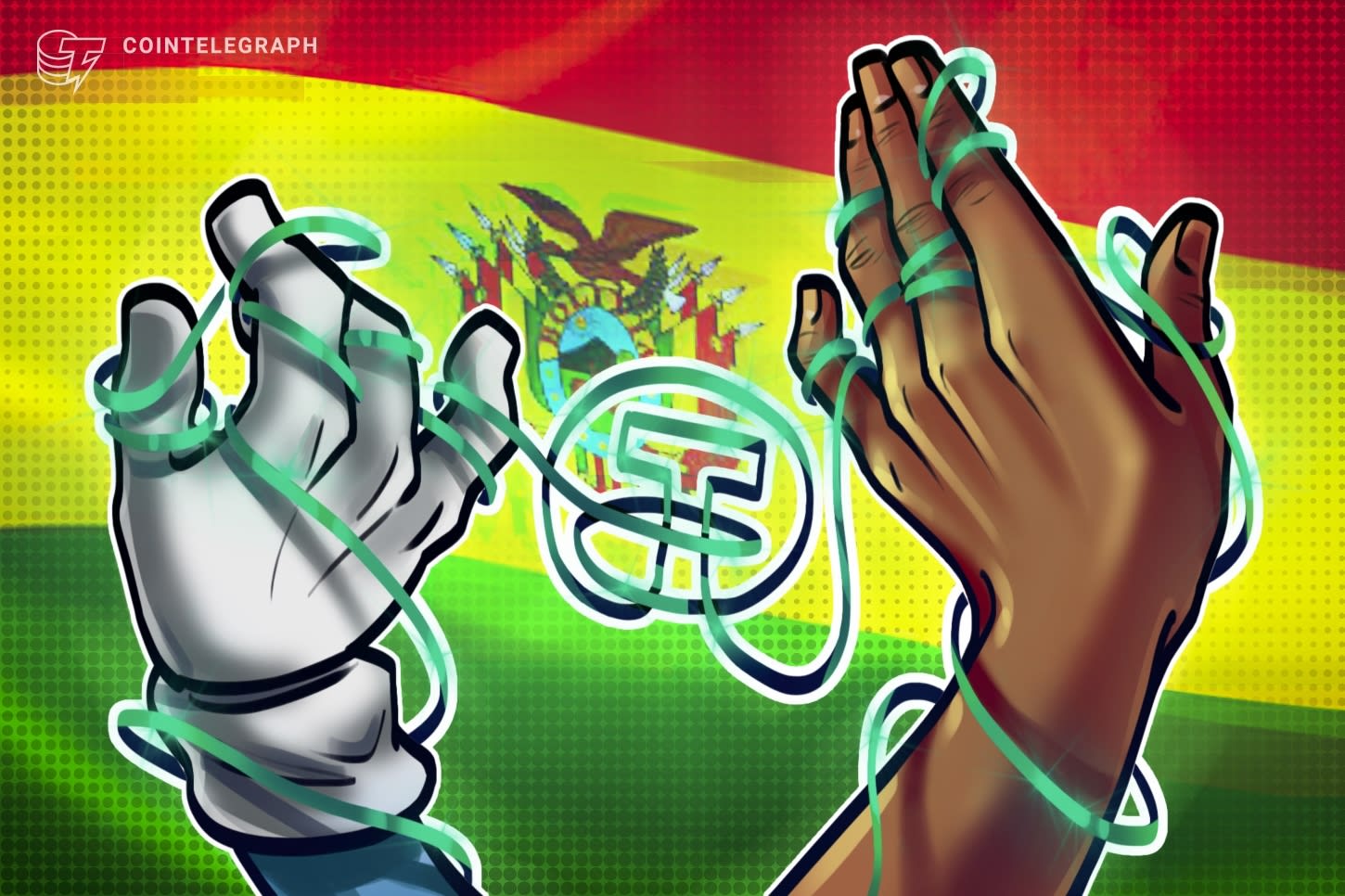
<p style="float: right; margin: 0 0 10px 15px; width: 240px;"><img alt="Bolivia mulls recognizing USDT as payment currency amid dollar shortage" class="type:primaryImage" src="https://s3-images.ctmedia.io/media/article-covers/article-covers-157300-bolivia-banco-bisa-usdt-custody.jpg" /></p><p>As foreign currency reserves remain under pressure, Bolivia is considering a framework to let the world’s largest stablecoin be used for payments, savings and trade. </p>
Bolivia's Strategic Pivot: Addressing the Dollar Crisis via Stablecoins
Bolivia is currently navigating a precarious economic landscape characterized by a severe shortage of US dollars and dwindling foreign currency reserves. In a bold move to stabilize its financial ecosystem, the government is mulling the recognition of USDT (Tether), the world's most widely used stablecoin, as a legitimate currency for payments, savings, and international trade. This consideration represents a significant shift in monetary policy, signaling a desperate need for liquidity and a willingness to embrace decentralized finance (DeFi) to bypass traditional banking bottlenecks.
The Catalyst: Foreign Currency Pressure
The primary driver behind this move is the acute pressure on Bolivia's foreign exchange reserves. When a nation lacks sufficient US dollars, it struggles to pay for essential imports, leading to supply chain disruptions and skyrocketing inflation. Historically, Bolivia has attempted to maintain strict controls over its currency, but the current scarcity of the greenback has made traditional trade nearly impossible for many businesses. By integrating USDT, which is pegged 1:1 to the US dollar, Bolivia aims to provide a digital alternative that mimics the stability of the dollar without requiring the physical presence of cash or the slow processing times of the SWIFT banking network.
USDT as a Tool for Trade and Savings
The proposed framework for USDT is not limited to simple transactions; it extends to savings and trade. For Bolivian citizens and businesses, the ability to save in USDT offers a hedge against the devaluation of the local currency. In economies plagued by instability, "dollarization"—whether through physical cash or digital tokens—is a common survival strategy. By officially recognizing USDT, the government could potentially reduce the black market for currency exchange and bring more financial activity into a regulated, albeit digital, framework, thereby facilitating smoother cross-border trade and reducing the costs associated with currency conversion.
Historical Context and Regional Trends
Bolivia is not alone in its exploration of digital assets to solve macroeconomic failures. Across Latin America, countries like Argentina and Venezuela have seen massive organic adoption of stablecoins due to hyperinflation. While El Salvador took the more radical step of adopting Bitcoin as legal tender, Bolivia's focus on a stablecoin like USDT is a more pragmatic approach. Unlike Bitcoin, which is highly volatile, USDT provides the price stability necessary for daily commerce and corporate accounting, making it a more viable tool for a government attempting to manage a liquidity crisis rather than simply speculating on asset growth.
Potential Risks and Regulatory Hurdles
Despite the potential benefits, this move is fraught with risk. Tether (the issuer of USDT) has long been a subject of scrutiny regarding its reserves and transparency. By tethering its economic stability to a private entity, Bolivia risks exposing its financial system to the systemic failures of a single company. Furthermore, the integration of stablecoins necessitates a robust regulatory framework to prevent money laundering and illicit financial flows. The government must balance the need for immediate liquidity with the long-term requirement for financial oversight and the prevention of capital flight, as digital assets make it significantly easier for wealth to leave the country.
Future Outlook and Implications
If Bolivia successfully implements this framework, it could serve as a blueprint for other emerging markets facing similar dollar shortages. We are likely to see a trend where "synthetic dollarization" becomes a standard policy tool for nations unable to secure traditional IMF loans or increase their reserves through exports. In the coming years, the success of this initiative will depend on the government's ability to integrate digital wallets into the broader banking infrastructure and the degree to which the population trusts a digital surrogate for the US dollar.
Summary
In conclusion, Bolivia's consideration of USDT is a high-stakes response to a critical shortage of US dollars. By leveraging the stability and speed of Tether, the nation hopes to revitalize trade and protect savings. However, the move introduces new dependencies on private digital asset issuers and requires a sophisticated regulatory approach to ensure that the solution to the liquidity crisis does not create a new era of financial instability.