Old Bitly Links Are Being Hijacked
Source Entity
Hacker News
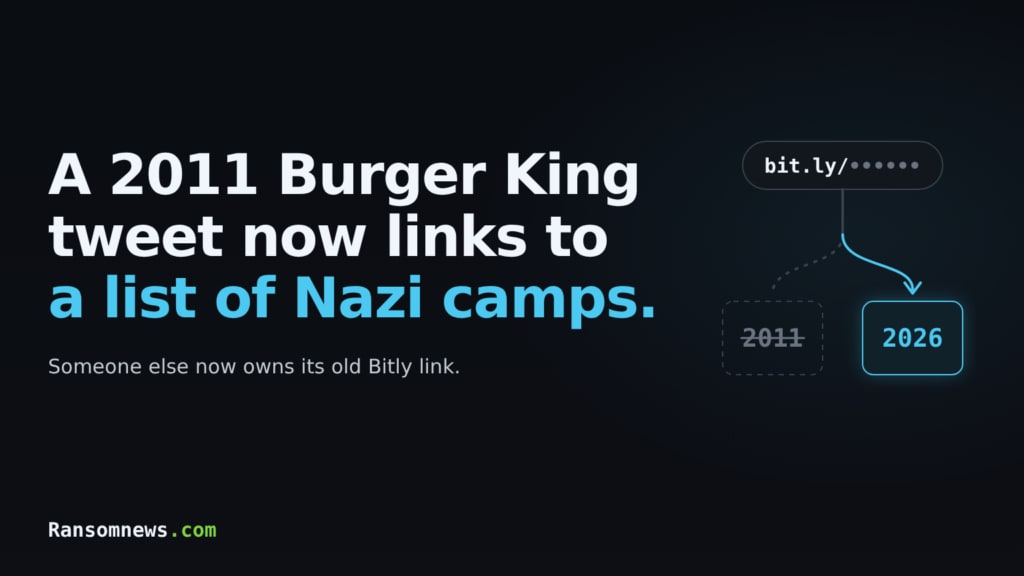
Bitly has confirmed a security vulnerability where bad actors hijacked old, inactive links to redirect users to malicious or unrelated content. The company has since suspended the responsible accounts and disabled the compromised links to mitigate the risk.
The Bitly Link Hijacking Incident: A Security Breach Analysis
On November 15, 2026, a significant security vulnerability involving the URL shortening service Bitly came to light. Reports confirmed that bad actors were successfully hijacking old, inactive Bitly links, effectively repurposing them to redirect unsuspecting users to content entirely unrelated to the original intended destinations. This incident highlights a critical vulnerability in the lifecycle management of shortened URLs, which are frequently used across social media and digital marketing campaigns.
The Mechanics of the Hijack
The exploit centered on the ability of external parties to take control of legacy links that had fallen into disuse. By redirecting these links, attackers could leverage the established trust of well-known brands—as evidenced by the temporary hijacking of links associated with major corporations like Burger King and McDonald’s. These redirects, which were active as of mid-day on November 15, demonstrate how attackers use established digital infrastructure to facilitate phishing or traffic diversion schemes.
Bitly’s Response and Mitigation
Bitly’s response was swift following the identification of the issue. By 19:13 UTC on the same day, the company utilized its official presence on the platform X to confirm that they had identified the root cause of the unauthorized repurposing. The company took decisive action by suspending the accounts identified as being involved in the activity and systematically disabling the affected links. This intervention was necessary to restore the integrity of the service and protect users from further malicious redirection.
Broader Implications for Digital Trust
This event serves as a stark reminder of the risks associated with link shortening services. While these tools provide convenience for sharing long URLs, they create a centralized point of failure. When an entity like Bitly faces a security lapse, the impact is widespread because shortened links are often embedded in historical social media posts, archived web pages, and legacy marketing materials that are rarely audited for security updates.
Historical Context and Future Trends
Historically, the security of shortened links has been a concern for cybersecurity professionals, but this incident emphasizes the need for better 'link hygiene.' As organizations rely heavily on digital footprints, the ability for bad actors to weaponize inactive links suggests that companies must implement more robust verification and expiration protocols. Moving forward, providers like Bitly will likely be pressured to introduce more stringent ownership verification and automated security scanning for older, dormant accounts to prevent future hijacking incidents.
Conclusion
In summary, the Bitly link hijacking incident underscores the fragility of digital infrastructure when legacy components are left unmonitored. While the company successfully mitigated the immediate threat by disabling the compromised links and suspending the malicious accounts, the event provides a valuable lesson for digital security teams. Maintaining control over one's digital assets, including shortened URLs, is now a critical component of a comprehensive corporate security strategy.