As BitMEX exits, analysts warn crypto consolidation is accelerating
Source Entity
Cointelegraph by Nate Kostar
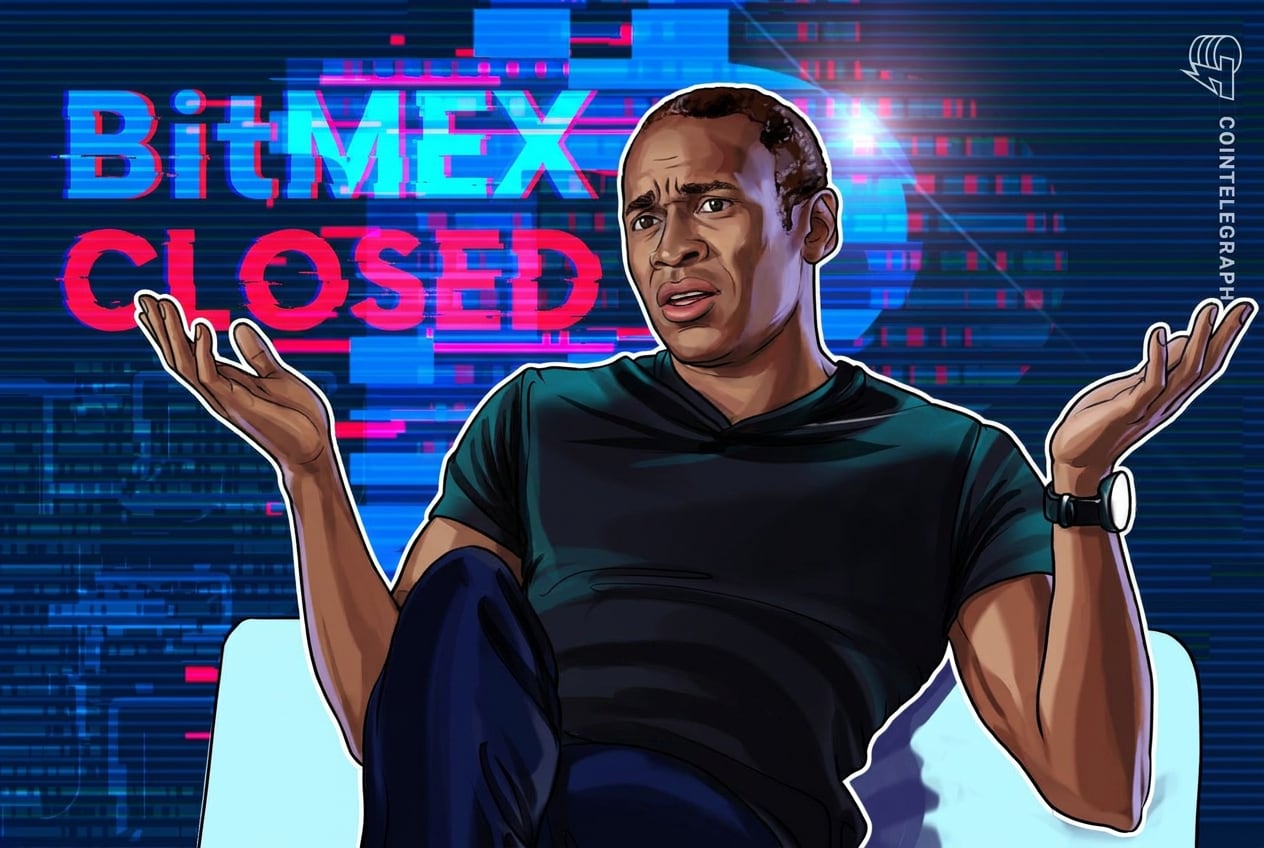
Crypto pioneer BitMEX is set to shut down operations on September 23, 2026, following a strategic decision by owner HDR Global Trading Limited. The announcement triggered a 90% collapse in the exchange's BMEX token as market share for the platform continues to dwindle.
The End of an Era: BitMEX Announces Closure
After nearly 12 years of operation, BitMEX—a foundational pillar in the cryptocurrency derivatives market—has announced it will cease all exchange services on September 23, 2026. This decision, finalized by the parent company HDR Global Trading Limited following a strategic review, marks a significant turning point for the digital asset industry. As one of the original architects of the perpetual swap, BitMEX fundamentally altered how traders interact with Bitcoin, yet the exchange now finds itself unable to sustain its market position in an increasingly crowded and regulated landscape.
Market Dynamics and Declining Influence
The decline of BitMEX can be traced back to a persistent erosion of its market share. Data from CryptoQuant indicates that the exchange’s dominance in the Bitcoin futures market plummeted to roughly 0.08%, with daily volumes hovering around $84 million. This is a stark contrast to its 2020 heyday, where daily volumes surged between $1 billion and $5 billion. The failure to recover from a downward trend that began in May 2021 highlights the difficulty legacy platforms face when attempting to maintain relevance against newer, more agile, and often more compliant competitors.
The Impact of Regulatory and Competitive Pressures
Analysts view the BitMEX shutdown as a clear signal of broader consolidation within the crypto sector. The industry is currently contending with a 'double squeeze': rising regulatory costs and a shift toward licensed trading venues. As governments worldwide tighten oversight, the operational burden on exchanges has increased exponentially. Smaller platforms or those with legacy business models are finding it difficult to absorb these costs, leading to a market environment that favors large-scale, highly compliant entities over the 'pioneer' platforms of the early 2010s.
Token Volatility and Investor Sentiment
The market reaction to the closure was immediate and severe. The BitMEX utility token (BMEX) experienced a catastrophic 90% collapse, falling from approximately $0.06 to lows near $0.002. This drastic devaluation reflects the loss of utility for the token as the underlying exchange prepares to wind down operations. For investors, the event serves as a cautionary tale regarding the risks associated with holding proprietary tokens of exchanges that face existential business threats.
Strategic Transition and Future Implications
While the closure is a definitive end for BitMEX, the company has emphasized that user assets remain safe and under control during the transition period ending in 2026. This long lead time suggests an orderly wind-down process. However, the broader implication remains clear: the era of the 'wild west' in crypto derivatives is effectively over. The future of the sector is defined by institutional-grade infrastructure and strict regulatory adherence, forcing market participants to migrate toward venues that can navigate the evolving legal landscape.
Conclusion: A New Phase for Crypto Derivatives
BitMEX’s departure is more than just a business closure; it is a symbolic milestone in the maturation of the digital asset market. As the industry moves away from the decentralized, high-risk models of the past toward a consolidated and regulated future, the lessons learned from the rise and fall of BitMEX will likely inform the strategic planning of all future exchange operators.