Southwest Airlines put Texas jet fuel on a boat to LA for the first time amid supply worries
Source Entity
US Top News and Analysis
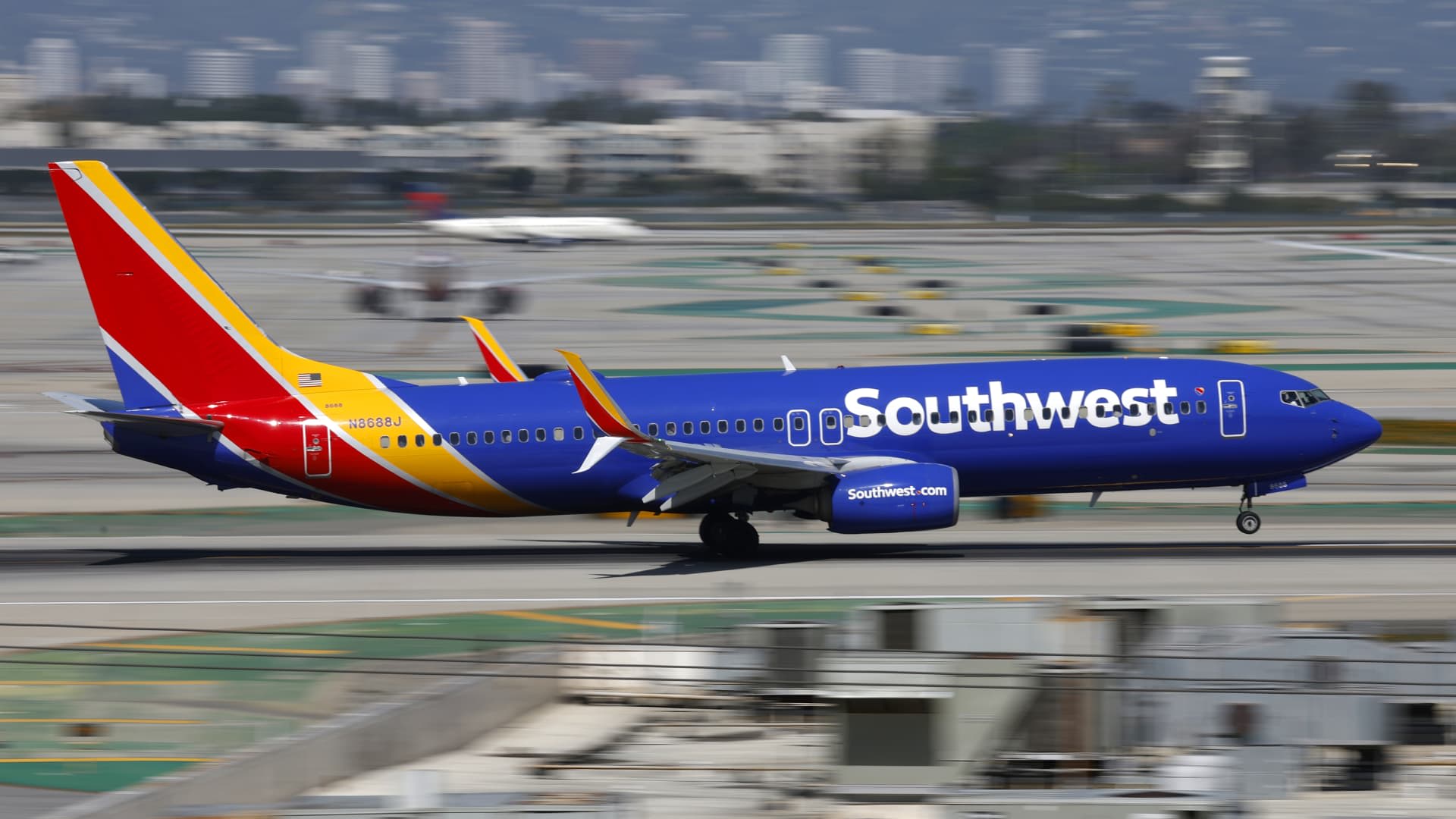
Southwest Airlines took the unprecedented step of shipping jet fuel from Houston to Los Angeles via the Panama Canal to mitigate West Coast supply risks. This move highlights the growing volatility in regional fuel markets and the strategic lengths airlines are taking to ensure operational stability.
Southwest Airlines Navigates Fuel Market Volatility
In a strategic move necessitated by tightening energy markets, Southwest Airlines recently completed a historic logistics operation by transporting jet fuel via ship from Houston, Texas, to Los Angeles, California. This initiative, confirmed by Chief Financial Officer Tom Doxey, represents the first time the Dallas-based carrier has utilized maritime transport to supply its West Coast operations. The decision underscores the extreme pressure airlines face regarding fuel price spikes and supply chain vulnerabilities.
The Logistics of the Operation
The shipment, which departed from Houston and traversed the Panama Canal, arrived in Los Angeles on May 28. Carrying approximately 12.6 million gallons of jet fuel, the vessel provided a crucial buffer for the airline during a period of peak market anxiety. While 12.6 million gallons represents roughly one week's supply for the airline's regional needs—a relatively small fraction of the 564 million gallons consumed in the most recent quarter—it serves as a significant proof-of-concept for contingency planning.
Regional Market Disparities
The West Coast of the United States remains particularly susceptible to fuel supply shocks compared to other regions of the country. California’s unique environmental regulations and reliance on specific refinery outputs often result in higher, more volatile fuel prices. By sourcing fuel from the Gulf Coast—a hub of domestic refining—and transporting it via water, Southwest is attempting to bypass the constraints of the traditional West Coast supply chain, which is heavily reliant on imports.
Broader Implications for the Airline Industry
This incident highlights a growing trend of airlines taking direct control over their supply chains to hedge against market volatility. Historically, carriers have relied on long-term contracts with regional refineries and pipeline delivery systems. However, as supply chains have tightened, airlines are increasingly forced to explore alternative, albeit more expensive, logistical routes to ensure that flight schedules remain uninterrupted.
Future Trends and Market Stability
Looking forward, the success of this maritime fuel shipment may indicate a shift in how airlines manage fuel risk. If volatility continues to plague regional markets, we may see more carriers investing in unconventional logistics to mitigate the risk of shortages. While maritime transport is not a permanent replacement for pipeline infrastructure, it provides a vital safety valve for airlines operating in high-demand, supply-constrained markets like California.
Conclusion
Southwest Airlines' proactive approach to fuel logistics illustrates the complex challenges inherent in modern airline operations. By leveraging the Gulf Coast's supply to bolster California's inventory, the airline has demonstrated a commitment to operational resilience. As fuel markets remain unpredictable, such innovative, if costly, logistical solutions may become an essential component of airline risk management strategies moving forward.