BitMEX token crashes 90% as exchange announces shutdown
Source Entity
Cointelegraph by Helen Partz
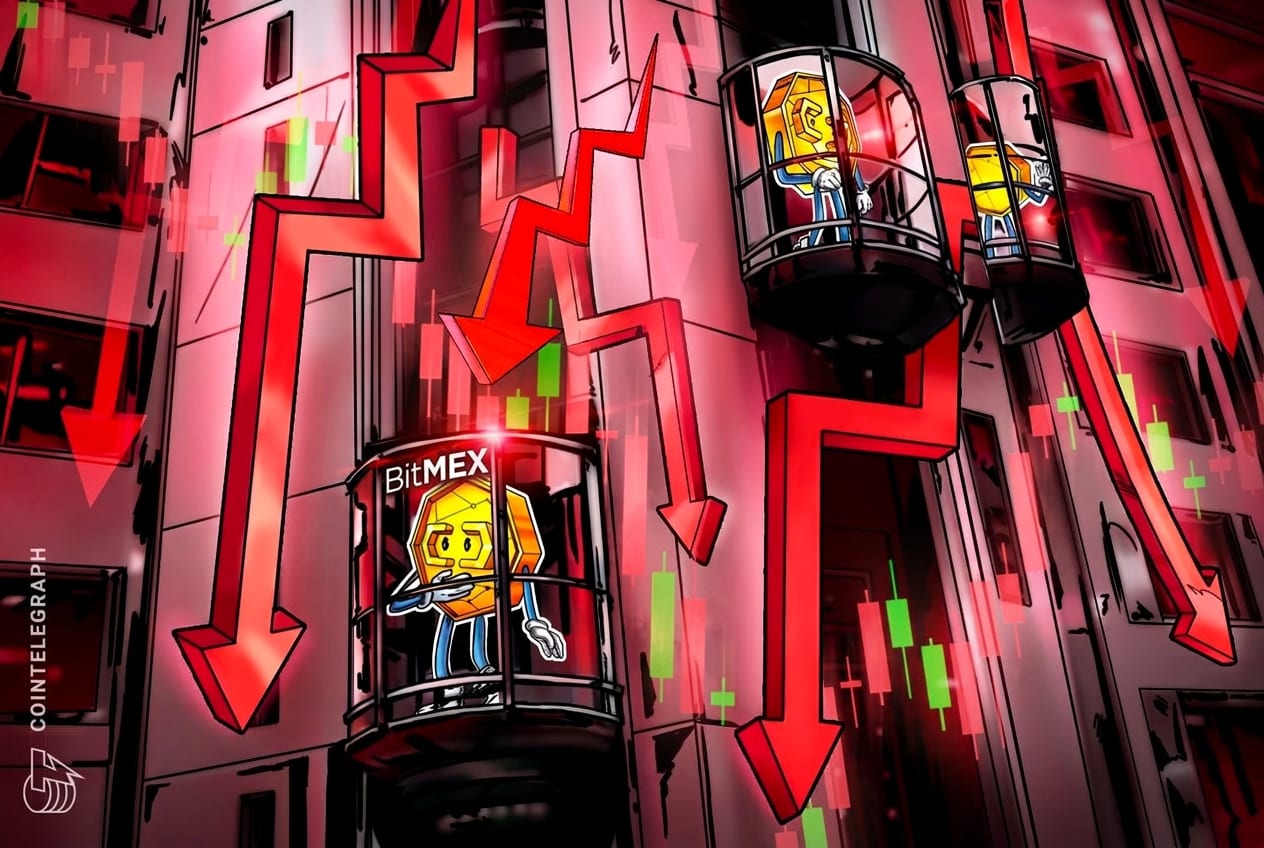
Crypto pioneer BitMEX is set to shut down operations on September 23, 2026, following a strategic decision by parent company HDR Global Trading. The announcement triggered a 90% collapse in the exchange's BMEX token as market analysts highlight broader industry consolidation trends.
The End of an Era: BitMEX Announces Shutdown
BitMEX, a foundational platform in the cryptocurrency derivatives space, has officially announced that it will cease all exchange operations on September 23, 2026. This decision, issued by its parent company, HDR Global Trading Limited, marks the conclusion of an eleven-year tenure that fundamentally shaped how digital assets are traded globally. The firm has urged its user base to close all active positions and withdraw funds well ahead of the specified deadline to ensure a smooth transition.
Market Decline and Token Collapse
The announcement was accompanied by a severe market reaction, with the exchange’s utility token, BMEX, plummeting approximately 90% in value. Trading data from CoinGecko indicates that the token dropped from roughly $0.06 to a low of $0.002 shortly after the news broke. This drastic devaluation reflects the loss of utility and market confidence inherent in the closure of an exchange ecosystem, signaling the end of the token’s lifecycle as the platform winds down its services.
The Shift Toward Institutionalization
Analysts view the closure of BitMEX as a symptomatic event of a broader, accelerating consolidation within the cryptocurrency industry. Once a market leader that pioneered perpetual swaps—a mechanism that became a cornerstone of modern crypto trading—BitMEX saw its influence wane significantly over the last few years. According to data from CryptoQuant, the exchange’s Bitcoin futures market share had dwindled to approximately 0.08%, with daily volumes falling far below the multi-billion dollar peaks witnessed in 2020.
Regulatory Pressures and Market Dynamics
Industry experts point to a combination of rising regulatory costs and a shift toward licensed, compliant trading venues as primary drivers for this consolidation. As the cryptocurrency sector matures, smaller or older platforms that cannot keep pace with increasing compliance requirements and competitive pressures are being squeezed out. The decline of BitMEX’s daily Bitcoin futures volume, which began a downward trend around May 2021, underscores the difficulty legacy exchanges face in maintaining market relevance against newer, more heavily regulated competitors.
Broader Industry Implications
The departure of a pioneer like BitMEX serves as a bellwether for the future of digital asset markets. As the industry moves away from the 'Wild West' era of early crypto exchanges, we are likely to see further market concentration. Capital and trading volume are increasingly gravitating toward platforms that prioritize regulatory transparency, institutional-grade security, and long-term sustainability, leaving less room for legacy models that struggle to adapt to the current economic and legal climate.
Conclusion
While BitMEX played a crucial role in establishing the infrastructure for digital asset derivatives, its closure is a definitive sign of an evolving market. The combination of declining trading volumes, the collapse of its associated token, and the pressure of a more rigorous global regulatory environment has made the continuation of operations untenable for HDR Global Trading Limited. As the industry moves toward 2026, the focus will remain on how users migrate their assets and how the remaining major players absorb the market share left behind by this historic exit.
Multiple Citing Sources