Swadeshi products can strengthen self-reliance, says BJP
Source Entity
India Latest News: Top National Headlines Today & Breaking News | The Hindu
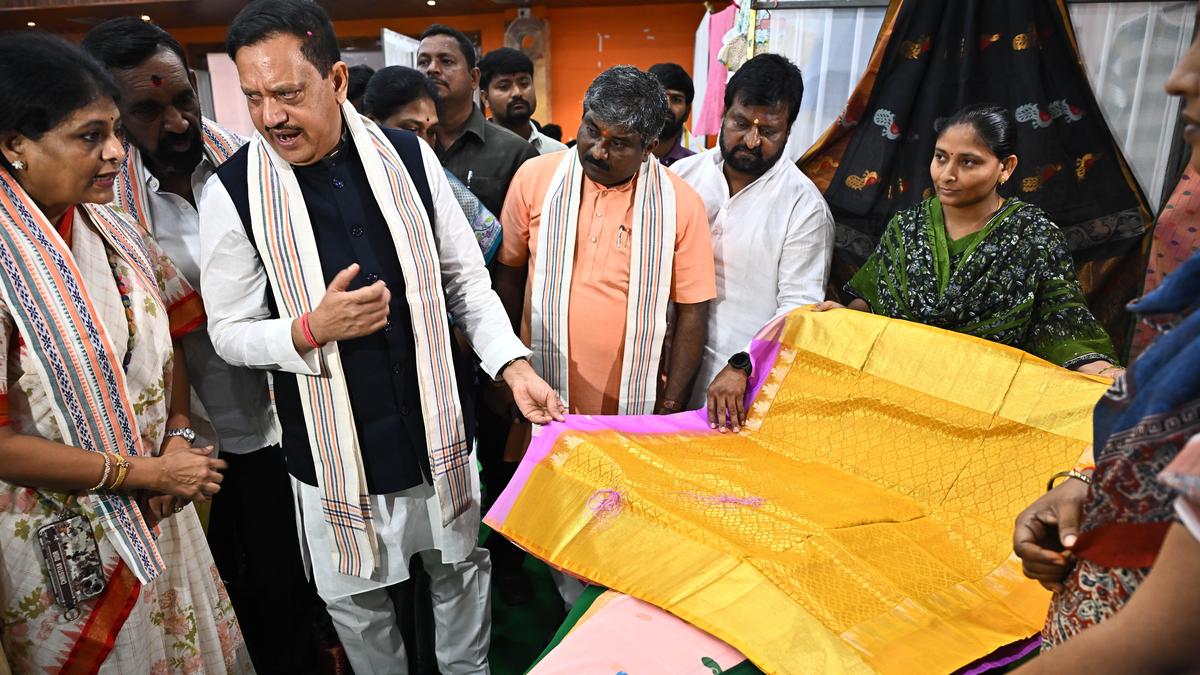
BJP leader Aravind Singh Bhadoria has advocated for the promotion of indigenous 'Swadeshi' products to boost India's economic self-reliance. The call was made during a Khadi fair in Vijayawada, held to commemorate the birth anniversaries of Mahatma Gandhi and Lal Bahadur Shastri.
Promoting Swadeshi: A Vision for Economic Self-Reliance
During recent celebrations in Vijayawada marking the birth anniversaries of Mahatma Gandhi and former Prime Minister Lal Bahadur Shastri, BJP Andhra Pradesh in-charge Aravind Singh Bhadoria emphasized the strategic necessity of promoting indigenous products. By advocating for the support of local weavers, artisans, and small-scale manufacturers, the BJP has underscored a contemporary pivot toward the 'Swadeshi' movement, framing it as a critical pillar for achieving national economic self-reliance.
Historical Context and the Legacy of Swadeshi
The invocation of Mahatma Gandhi’s promotion of Khadi serves as a reminder of the historical significance of the Swadeshi movement during the struggle for independence. Originally conceptualized as a tool to dismantle colonial economic structures, the movement focused on boycotting foreign goods in favor of domestic production. Mr. Bhadoria’s remarks bridge this historical aspiration with modern economic policy, suggesting that the principles of local craftsmanship are as vital today as they were during the fight against British rule.
Addressing the Colonial Economic Legacy
Central to the discussion was the critique of the colonial economic model, which historically drained India of its raw materials to feed British industries, only to return finished goods to the Indian market at a premium. By highlighting this systemic exploitation, the BJP is positioning the current focus on 'Make in India' and local manufacturing as a corrective measure to historical economic imbalances. This narrative seeks to encourage consumers to prioritize domestic supply chains over imported alternatives to ensure wealth remains within the local economy.
Economic Implications for Local Artisans
The inauguration of the Khadi fair in Vijayawada highlights the practical application of these political ideals. By fostering a market for traditional textiles and artisanal goods, the government aims to provide stable livelihoods for rural and semi-urban craftsmen. The promotion of these sectors is not merely a cultural preservation effort but a strategic economic initiative designed to decentralize manufacturing and reduce dependency on global supply chain fluctuations.
Future Trends and Policy Outlook
Looking ahead, the emphasis on Swadeshi is likely to remain a central theme in domestic economic policy. As the government continues to incentivize local production, the integration of traditional craftsmanship with modern market access—such as digital platforms—will be key. If successful, this focus on domestic consumption could lead to a more resilient, self-sustaining industrial base that is less susceptible to the volatility of international trade policies.
Conclusion
In summary, the call to support indigenous products, as articulated by Aravind Singh Bhadoria, reflects a broader political movement to empower local producers and reclaim economic sovereignty. By linking the legacy of Gandhi and Shastri to contemporary manufacturing goals, the BJP aims to foster a culture of local consumption that strengthens the national economy from the ground up.
Verification Required?