Former Rajasthan minister gets show-cause notice after he announces exit from Congress
Source Entity
The Indian Express
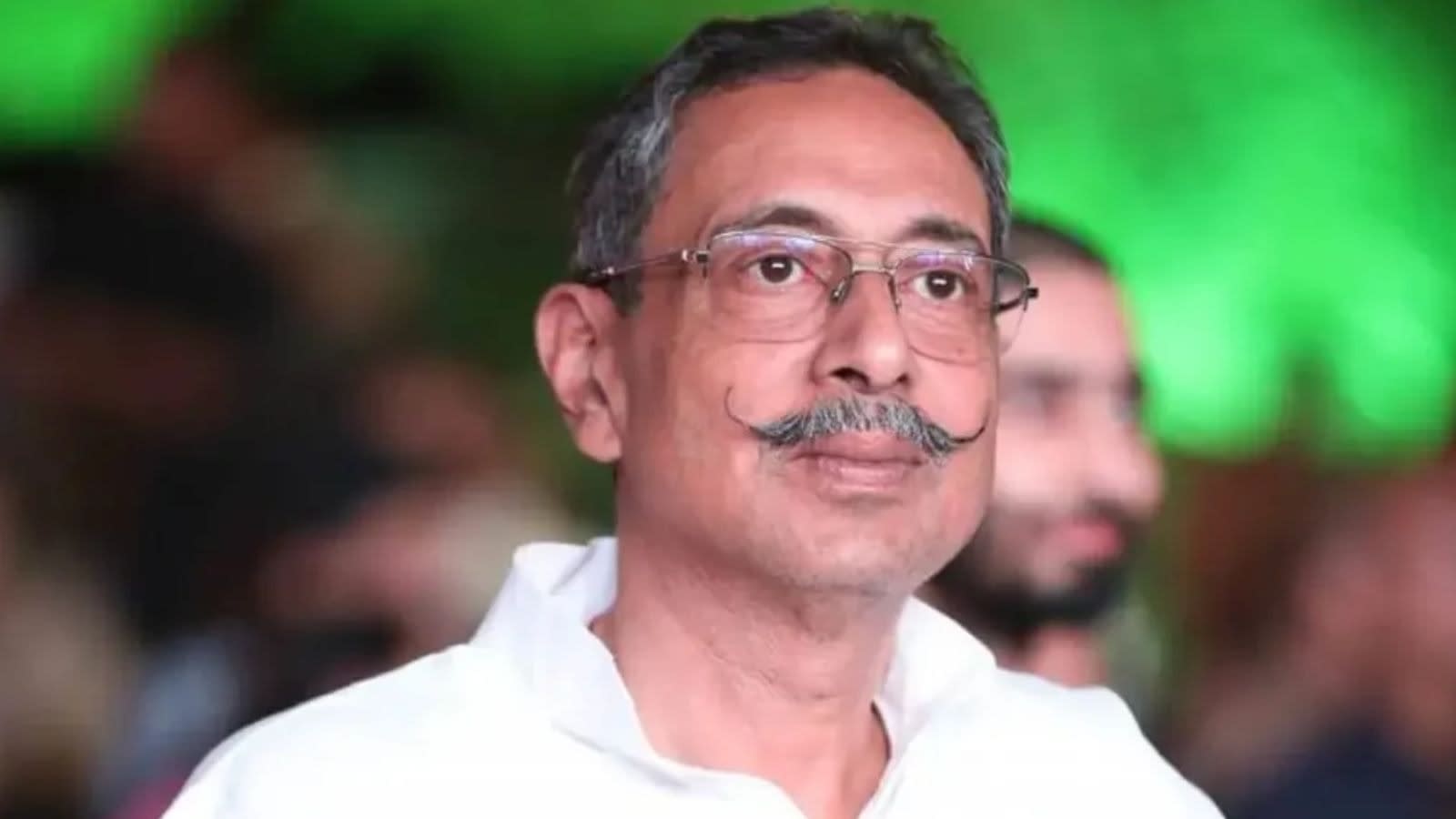
Former Rajasthan minister Vishvendra Singh has resigned from the Congress party, citing internal marginalization and dissatisfaction with leadership. His departure follows public accusations against state president Govind Singh Dotasra regarding the handling of local body elections.
The Departure of a Political Stalwart: Vishvendra Singh Quits Congress
In a significant development for Rajasthan's political landscape, former Cabinet Minister Vishvendra Singh has officially announced his resignation from the Congress party. A member of the erstwhile Bharatpur royal family, Singh's departure marks a notable fracture within the state unit. The resignation follows a period of mounting tension, characterized by Singh’s public criticism of the party's management of recent urban local body elections and his specific grievances against state unit president Govind Singh Dotasra.
The Catalyst: Internal Discord and Local Elections
The root of the conflict appears to stem from the party's performance and candidate selection during the recent urban local body polls. Singh, a veteran politician, accused the party’s Bharatpur and Deeg units of systematically sidelining “actual party workers.” By alleging that the leadership failed to recognize or empower the grassroots base, Singh framed his departure as a stand against what he termed “wrong policies.” This critique suggests a deeper struggle for influence and representation within the Rajasthan Congress organizational structure.
The Clash of Narratives
Following Singh’s sharp public criticism, the state party leadership moved quickly to contain the fallout. Govind Singh Dotasra dismissed the allegations of internal discord as “propaganda” and a “BJP toolkit,” attempting to frame the internal dissent as an external political maneuver by the opposition. This stark contrast in narratives—with Singh citing a matter of “self-respect” and “conscience,” and the leadership citing party unity—highlights the fragility of political cohesion in the state.
Rhetoric of Self-Respect
Perhaps the most compelling aspect of Singh’s resignation is the language used in his announcement. By stating that it is “better to die with self-respect than suffocation,” Singh has positioned his exit as a moral imperative rather than a mere tactical shift. His reference to listening to his “inner voice” and his “revered Giriraj Maharaj” serves to emphasize his personal commitment to his principles over party loyalty, a common trope in Indian politics when influential figures break away from established party structures.
Broader Implications for Rajasthan Politics
This resignation is likely to have significant implications for the Congress party's future in the Bharatpur region. As a former maharaja and a seasoned minister in the Ashok Gehlot government, Singh wields considerable local influence. His departure could embolden other disgruntled leaders or lead to a realignment of local power dynamics. Whether this move leads to Singh joining another political entity or operating as an independent force remains to be seen, but it undoubtedly weakens the Congress party's consolidated front in the region.
Conclusion: A Test of Leadership
The departure of Vishvendra Singh serves as a litmus test for the Congress leadership in Rajasthan. As the party attempts to navigate internal grievances while warding off opposition narratives, the challenge of maintaining unity among diverse factions becomes increasingly apparent. The resignation underscores the persistent tension between veteran leadership figures and the current party hierarchy, a dynamic that will likely continue to shape the political discourse in Rajasthan in the coming months.
Multiple Citing Sources