President Gives Assent, Gujarat Becomes 2nd State To Get Uniform Civil Code
Source Entity
NDTV News Search Records Found 1000
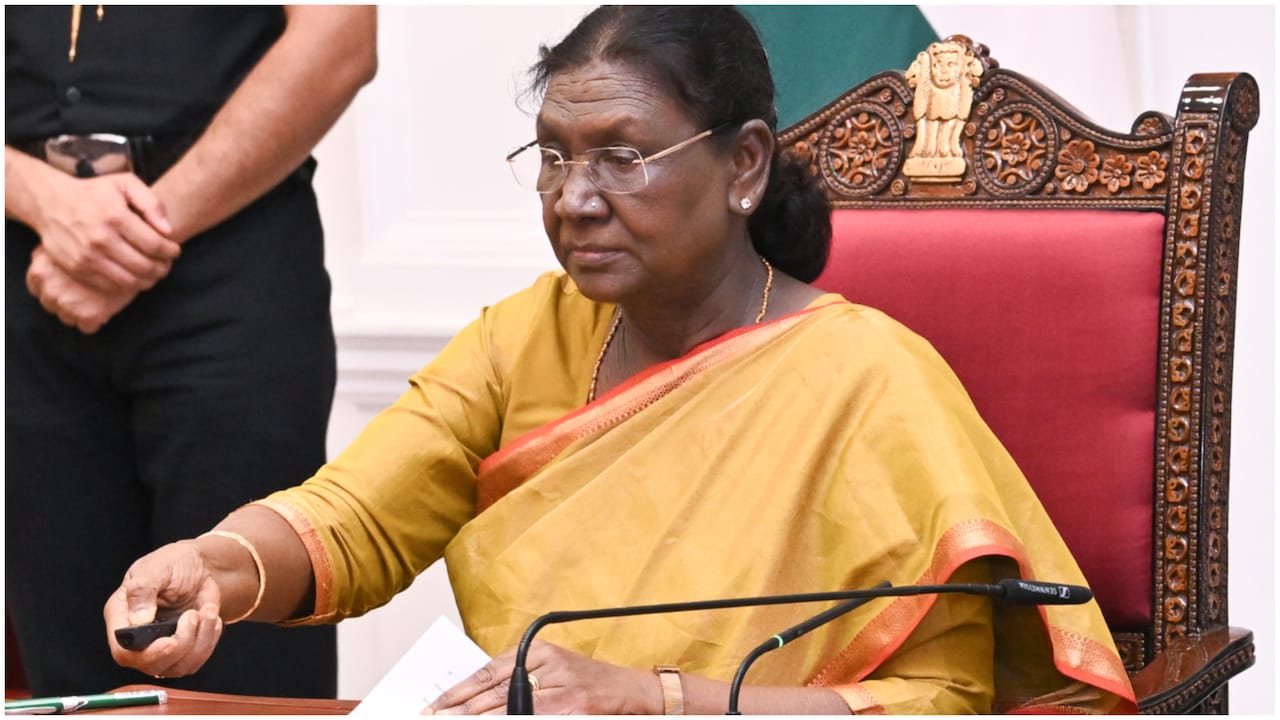
President Droupadi Murmu has granted assent to the Gujarat Uniform Civil Code (UCC) Bill 2026, making it the second state after Uttarakhand to adopt such legislation. The law aims to standardize regulations regarding marriage, divorce, succession, and live-in relationships across the state.
Gujarat Moves Toward Uniform Civil Code Implementation
President Droupadi Murmu has officially granted her assent to the Gujarat Uniform Civil Code (UCC) Bill 2026, marking a significant milestone in the state’s legislative history. Following the formal publication of the legislation in the extraordinary gazette dated October 1, it has been confirmed that the President signed the Bill on September 17. This development positions Gujarat as the second state in India, following Uttarakhand, to move toward the implementation of a unified legal framework governing personal civil matters.
Legislative Background and Process
The passage of this Bill was not an overnight occurrence; it was the result of extensive parliamentary deliberation. During the budget session in March, the Gujarat Assembly engaged in a rigorous, nearly eight-hour-long debate before successfully passing the Bill by a majority vote. The legislative process reflects the state government's commitment to transforming the legal landscape concerning civil affairs, shifting away from fragmented religious-based personal laws toward a standardized code for all residents.
Scope of the New Legislation
At its core, the Gujarat UCC Bill 2026 is designed to bring uniformity to the most sensitive aspects of private life. The law encompasses a broad spectrum of personal matters, specifically targeting regulations for marriage, divorce, succession, and adoption. Furthermore, it introduces formal legal oversight for live-in relationships, a provision that has garnered significant public and legal attention. By codifying these areas, the state aims to provide a clear, predictable, and secular legal framework for its citizens.
Influence of the Uttarakhand Model
The structure and content of the Gujarat UCC are largely modeled after the legislation previously enacted in Uttarakhand. By adopting a similar framework, Gujarat is signaling a broader trend in Indian governance where states are increasingly looking to establish uniform personal laws. This replication suggests a coordinated approach to legal reform, potentially setting a precedent for other states to follow suit in the coming years.
Future Implications and Implementation
With the President’s assent now secured, the focus shifts to the practical execution of the law. As noted by state government officials, the responsibility now lies with the administration to determine the specific date for the implementation of the code. This transition phase will likely involve the rollout of administrative guidelines to ensure that citizens and legal professionals are prepared for the changes in how civil disputes and personal registrations are handled.
Conclusion
The implementation of the Uniform Civil Code in Gujarat represents a major shift in the state’s approach to civil law. By standardizing regulations for marriage, divorce, and succession, the government is aiming to simplify the legal system for all residents. As the state prepares for the effective date of this legislation, the nation will be watching closely to see how this transition impacts social structures and legal practices within the region.
Verification Required?