BJP got Rs 1,473 crore to fight Bengal, Assam, 3 other assembly polls
Source Entity
BHARTI JAIN
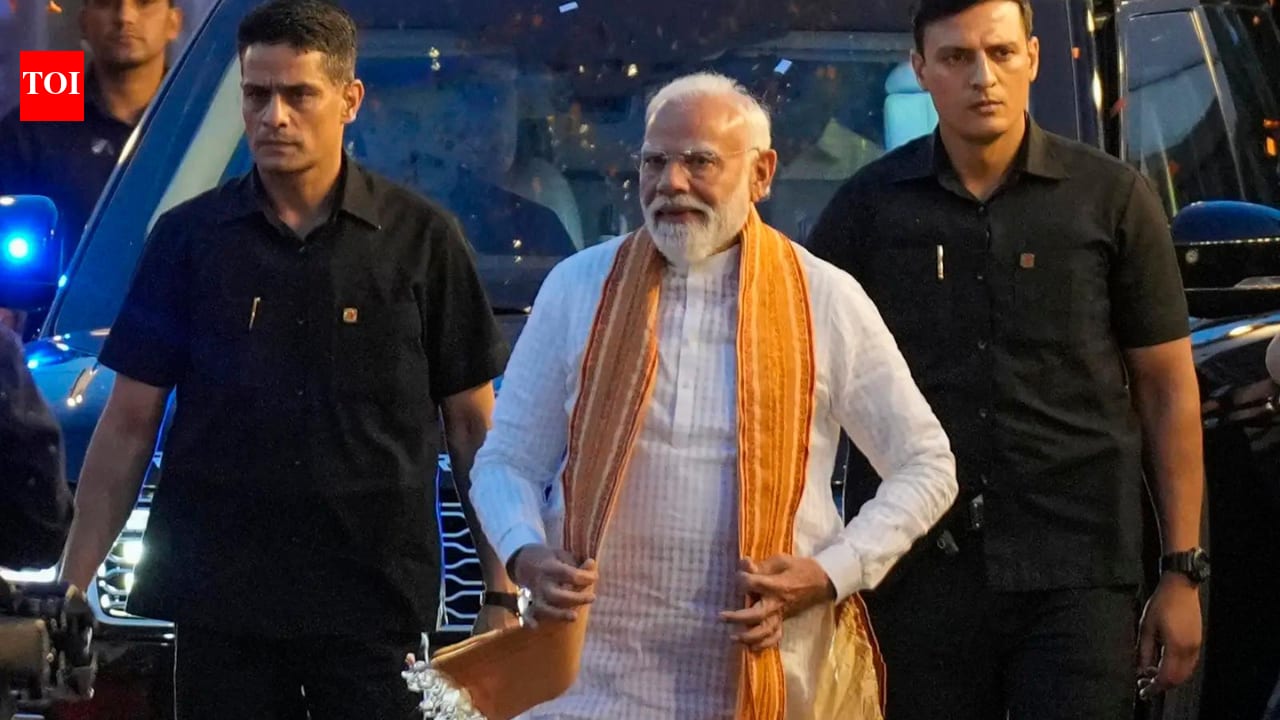
The BJP reported receiving Rs 1,472.8 crore for the assembly elections in Bengal, Assam, Kerala, Tamil Nadu, and Puducherry. This influx of funds contributed to a significant increase in the party's closing balance by May 2026.
Financial Disclosure and Electoral Spending
Recent filings with the Election Commission of India have revealed that the Bharatiya Janata Party (BJP) received a total of Rs 1,472.8 crore at its central headquarters during the assembly election cycle covering West Bengal, Assam, Kerala, Tamil Nadu, and Puducherry. This disclosure provides a transparent glimpse into the financial mobilization required for high-stakes regional elections in India.
Analyzing the Financial Influx
The scale of funding, amounting to over Rs 1,400 crore, underscores the immense logistical and campaign costs associated with contesting multiple state assemblies simultaneously. These funds were vital for the party's outreach efforts, digital campaigning, and ground-level logistics across diverse political landscapes ranging from the northeast to the southern coast.
Impact on Party Reserves
The impact of these receipts on the party's overall financial health is notable. Following the conclusion of these elections on May 6, 2026, the BJP reported a closing balance of Rs 7,627.2 crore. This represents a marked increase from the Rs 6,722.6 crore balance recorded on March 15, 2026, suggesting that despite heavy campaign expenditures, the party's net capital position remained robust throughout the election period.
Transparency and Election Commission Oversight
This data, derived from election expenditure statements submitted for Assam, Tamil Nadu, and Puducherry, highlights the critical role of the Election Commission in ensuring financial transparency. By mandating the submission of these records, the commission allows for public scrutiny of how major political entities manage their finances and allocate resources during critical democratic exercises.
Future Trends in Political Financing
The trend of massive financial mobilization in assembly elections is likely to persist as political competition intensifies. As parties continue to refine their campaign strategies, the ability to generate and manage such large sums will remain a central pillar of electoral success. Future analysis will likely focus on how these expenditures translate into voter engagement and the long-term sustainability of such high-cost campaigning models.
Conclusion
In summary, the BJP's financial report for the 2026 assembly polls sheds light on the significant capital involved in modern Indian electoral politics. With a closing balance that grew despite the costs of a multi-state campaign, the party demonstrates a high capacity for resource management, setting a precedent for financial reporting in upcoming electoral cycles.