‘They lack courage’: BJP MLA claims Pakistan-based group threatened to kill him
Source Entity
ROHITASHWA RANJAN
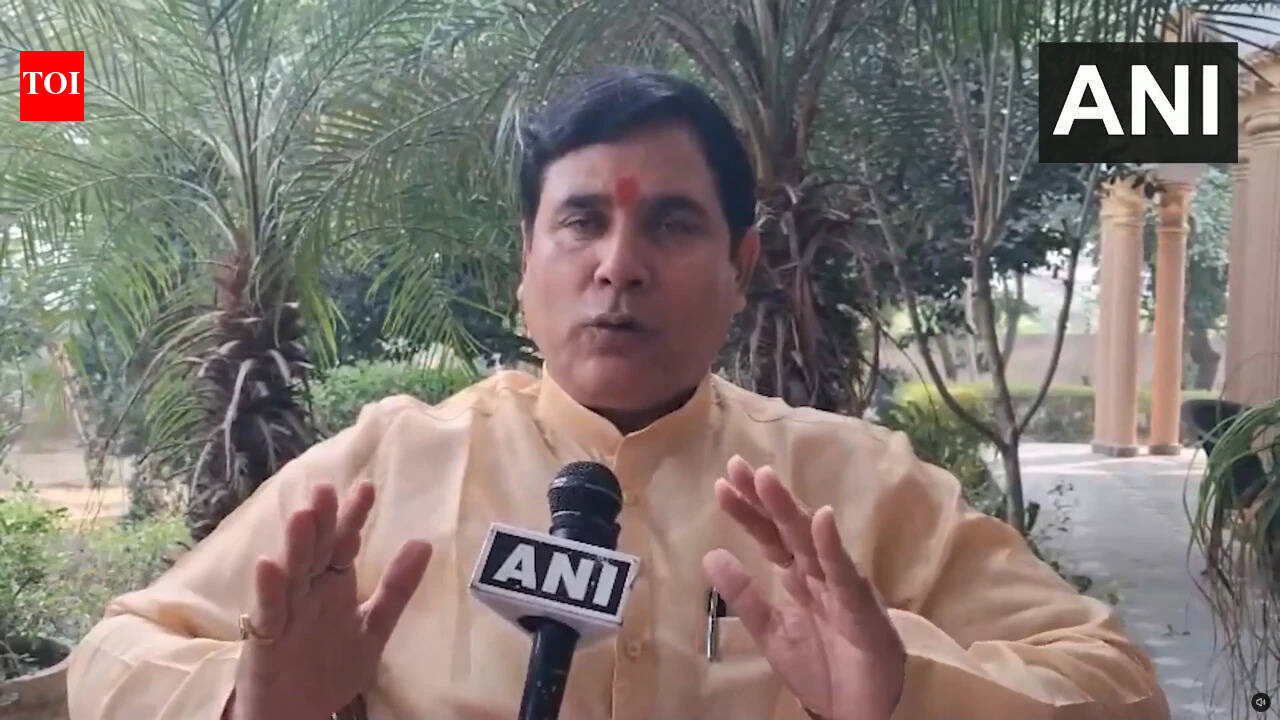
BJP MLA Nand Kishor Gurjar has reported receiving death threats from a Pakistan-based organization. The legislator claimed the callers threatened to bomb his residence, a challenge he dismissed as lacking courage.
Security Concerns Rise as BJP MLA Reports Threats
Recent reports indicate that Nand Kishor Gurjar, a Bharatiya Janata Party (BJP) MLA representing the Loni constituency in Uttar Pradesh, has been the target of alleged death threats. According to the legislator, the communication originated from an organization based in Pakistan. These threats reportedly included explicit warnings to bomb the MLA's residence and take his life, marking a significant escalation in the security challenges faced by public officials in the region.
The Nature of the Communication
The incident, as described by Gurjar, involved a direct phone call received on a Sunday morning. The MLA claims that the unidentified callers utilized the threat of violence to intimidate him. In response to these claims, Gurjar has publicly maintained a posture of defiance, asserting that the entities behind these threats lack the necessary resolve or 'courage' to carry out such violent acts against him. This reaction highlights the tense atmosphere currently surrounding political discourse in parts of Uttar Pradesh.
Political and Regional Context
Loni, located in the Ghaziabad district, is a politically sensitive region. The involvement of an external, Pakistan-based entity adds a layer of international complexity to what is primarily a domestic security concern. Historically, Indian politicians—particularly those affiliated with the ruling BJP—have occasionally reported threats from groups operating outside the country. These incidents often trigger broader debates regarding the intersection of national security, cross-border intelligence, and the protection of elected representatives.
Implications for Legislative Security
The threat against a sitting member of the Legislative Assembly raises critical questions about the security protocols afforded to state-level officials. When a lawmaker is targeted by an external organization, it necessitates a coordinated response between state law enforcement and national intelligence agencies. The primary objective is to verify the source of the communication and assess the credibility of the threat, ensuring that the MLA's safety is not compromised by rhetoric or potential physical danger.
Future Trends and Security Measures
As digital communication becomes the primary medium for such threats, law enforcement agencies are increasingly reliant on cyber-intelligence to track and mitigate risks. Moving forward, it is likely that the investigation into this incident will focus on tracing the origin of the call to determine if it is a localized nuisance or part of a broader, coordinated campaign of intimidation. The outcome of this case may set a precedent for how similar threats are handled, potentially leading to enhanced personal security measures for high-profile political figures across the state.
Conclusion: A Test of Vigilance
In summary, the claims made by Nand Kishor Gurjar serve as a stark reminder of the persistent security challenges facing political leaders in India. While the MLA has dismissed the threats as lacking substance, the gravity of the allegations—specifically the mention of bombings—demands a thorough investigation. Ensuring the safety of elected officials remains paramount for maintaining the integrity of the democratic process in the face of external and internal threats.