CR Patil and Nitin Nabin’s visits to Punjab on the card, BJP wants most out of Guru Ravidas Jayanti
Source Entity
Raakhi Jagga
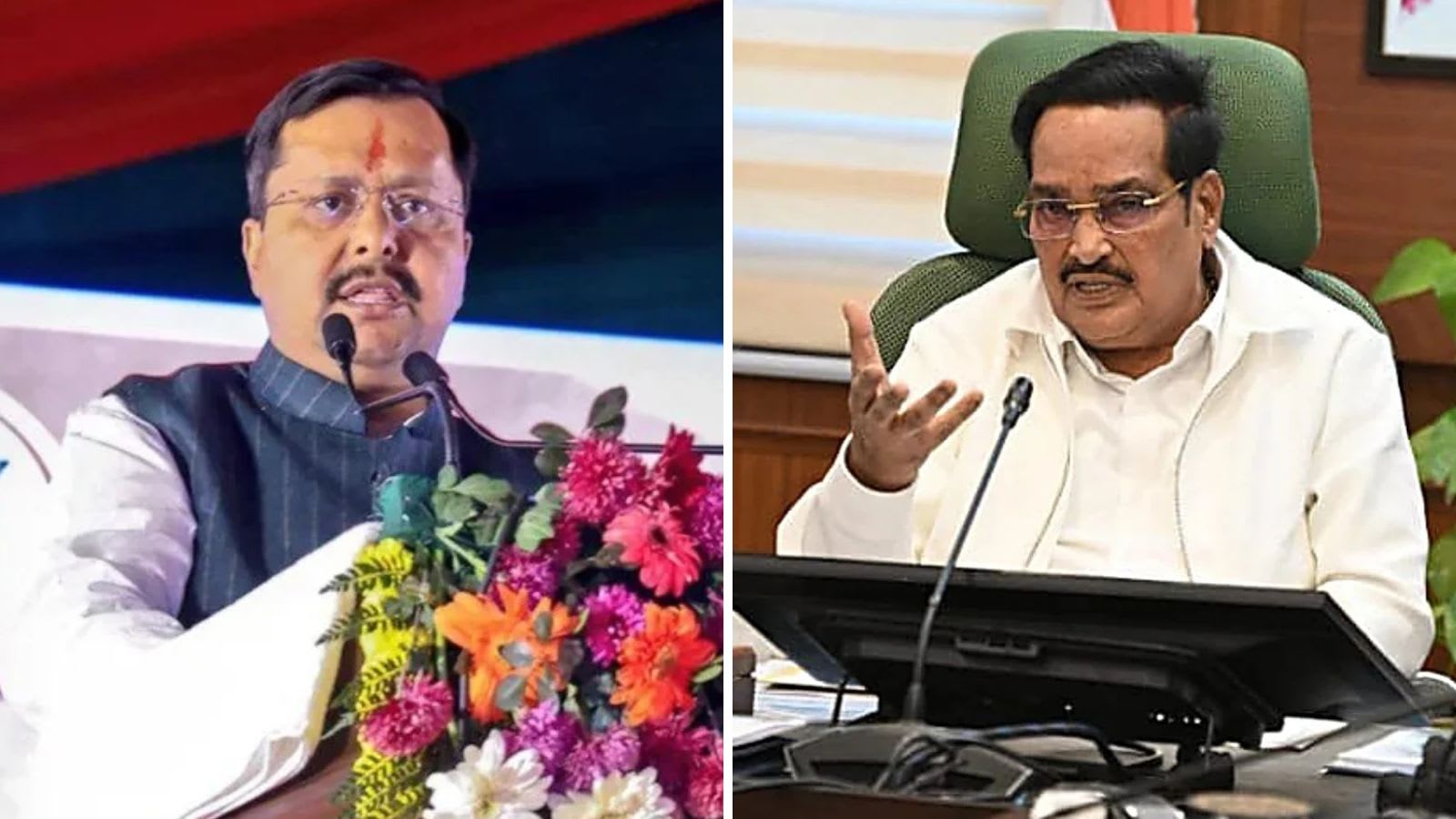
BJP leadership is balancing regional outreach in Gujarat with high-stakes political campaigning in Punjab. Prime Minister Modi is focusing on party cohesion in his home state, while national leaders prepare for upcoming Punjab assembly elections.
BJP Strategic Maneuvers: From Gujarat Consolidation to Punjab Outreach
Strengthening Organizational Roots in Gujarat
Prime Minister Narendra Modi’s recent visit to Gujarat, coinciding with the post-Diwali festivities of Labh Pancham, serves as a significant gesture of political continuity and respect for party elders. By meeting with stalwarts like former Union minister Harin Pathak and former MLAs such as Suresh Patel, the Prime Minister is reinforcing the BJP’s internal cohesion. These interactions with leaders who have historical significance—particularly in constituencies like Maninagar, which the Prime Minister once represented—demonstrate a commitment to maintaining strong ties with the party's grassroots foundation even while occupying the highest office in the country.
The Significance of Legacy Constituencies
The mention of Suresh Patel, who succeeded the Prime Minister in the Maninagar assembly constituency following the 2014 parliamentary elections, highlights the importance of institutional memory within the state unit. This meeting is not merely symbolic; it reflects a strategy of acknowledging the leaders who have sustained the party's dominance in the region for decades. For the BJP, Gujarat remains the bedrock of its national ideological and electoral success, and such visits ensure that the state government, led by Bhupendra Patel, remains aligned with the central leadership’s vision.
Punjab: A New Frontier of Engagement
While the Gujarat visit focuses on consolidation, the BJP’s activities in Punjab signal a shift toward aggressive expansion and alliance-building. The party is preparing for a hectic period of campaigning, marked by the arrival of Union Minister CR Patil and national leader Nitin Nabin. With the assembly elections on the horizon, the BJP is actively navigating the complexities of seat-sharing discussions, particularly regarding potential alliances with the Shiromani Akali Dal (SAD), a move that could significantly alter the state’s political landscape.
Cultural Outreach as a Political Tool
A centerpiece of the party's strategy in Punjab is the 2,558-km “Samrasta Sankalp Yatra,” designed to commemorate the 650th birth anniversary of Guru Ravidas. By flagging off this yatra in Jalandhar and culminating it in Varanasi, the BJP is effectively bridging regional cultural sentiments with its national platform. This outreach is designed to resonate with specific demographic segments, demonstrating that the party is refining its electoral strategy to appeal to local socio-religious sentiments.
Future Trends and Electoral Preparedness
The dual-track approach of the BJP—maintaining historical stability in Gujarat while aggressively pursuing new electoral ground in Punjab—illustrates the party's robust organizational machine. As CR Patil prepares to engage the state executive committee in Chandigarh, the focus remains on candidate selection and logistical readiness. The coming weeks will likely see the BJP intensifying its efforts to position itself as a formidable force in Punjab, leveraging both national leadership visits and broad-based cultural campaigns to gain momentum heading into the polls.
Multiple Citing Sources