‘1984 violence planned’: BJP marches against Congress in Delhi, says party should apologise
Source Entity
Latest News: Todays Latest News Headlines from India & World | Hindustan Times
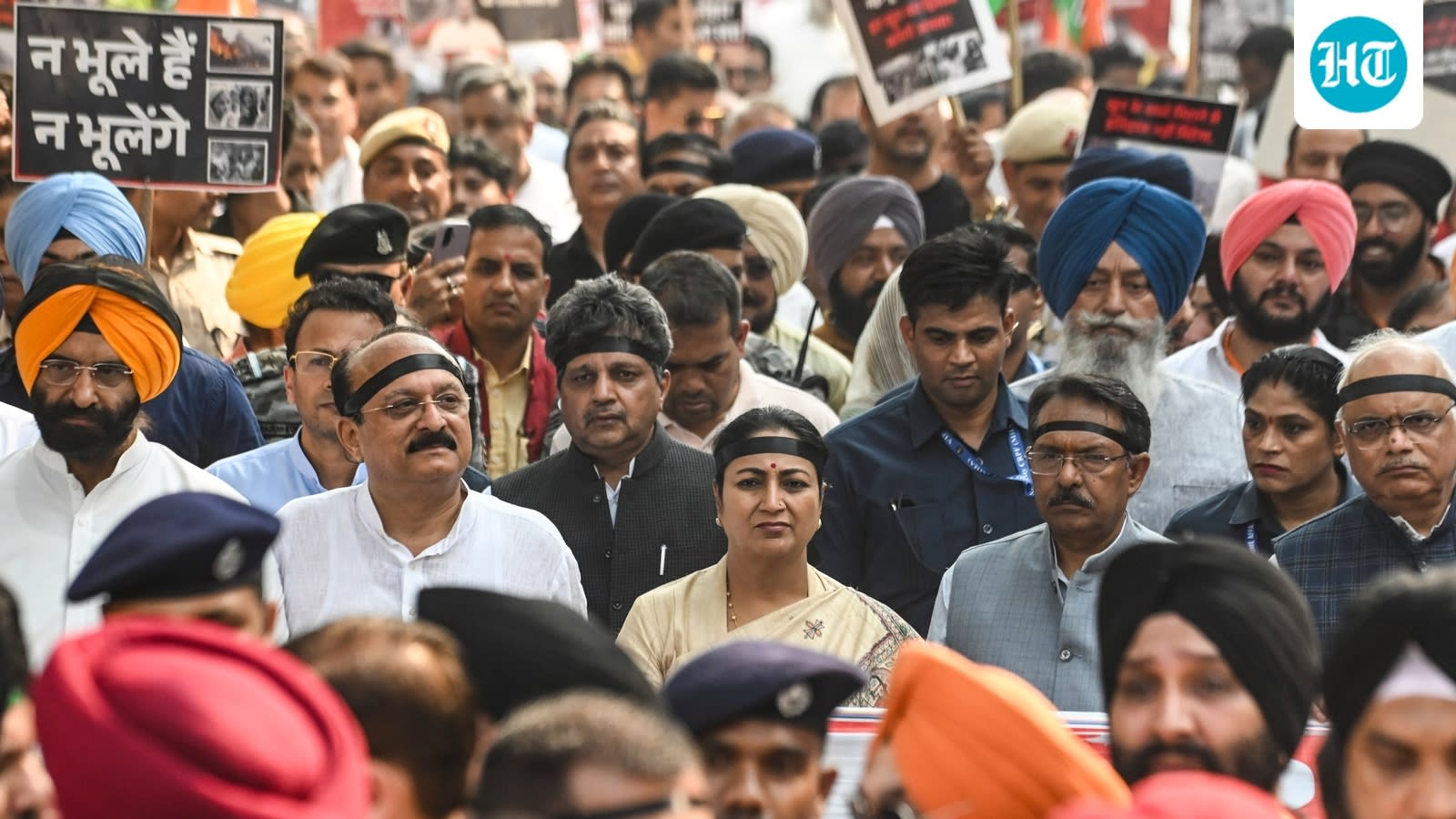
The BJP held a protest in Delhi accusing the Congress of orchestrating the 1984 anti-Sikh riots as a planned massacre. This demonstration coincided with an INDIA bloc rally against the Election Commission, highlighting intense political polarization in the capital.
Political Tensions Escalate in Delhi: The 1984 Riots Debate
A Contested Historical Narrative
The recent protest led by Union Petroleum Minister Hardeep Puri in Delhi’s Hari Nagar serves as a stark reminder of how the 1984 anti-Sikh riots remain a central pillar of political discourse in India. By characterizing the violence as a "well-planned massacre" rather than a spontaneous outburst of public anger, the BJP is seeking to fundamentally reshape the historical understanding of these events. This narrative shift is a deliberate attempt to hold the Congress party accountable for the systemic failures and alleged state complicity that defined that tragic period.
The Strategic Timing of Protests
The timing of the BJP’s march is highly significant, occurring simultaneously with the INDIA bloc's rally at Ramlila Maidan. By juxtaposing their demonstration against the Congress’s historical record with the opposition's current protest against the Election Commission and the Special Intensive Revision (SIR) of electoral rolls, the BJP effectively managed to dominate the political news cycle. This strategy forces the Congress onto the defensive, compelling them to address past controversies while they are simultaneously attempting to challenge the current electoral administration.
Leadership and Party Positioning
Led by Union Minister Hardeep Puri and supported by Delhi Chief Minister Rekha Gupta, the protest signals a consolidated effort by the BJP to penetrate political spaces in west Delhi. The involvement of high-ranking officials underscores the party's commitment to keeping the 1984 issue at the forefront of their campaign rhetoric. For the Sikh community, the demand for an explicit apology remains a potent issue, and the BJP’s vocal stance is calculated to build a stronger connection with voters who feel the Congress has never adequately atoned for the events of November 1984.
Broader Implications for the INDIA Bloc
The INDIA bloc's rally, which focused on alleged irregularities regarding CEC Gyanesh Kumar and the integrity of the electoral rolls, highlights the growing friction between the central government and the opposition regarding democratic institutions. By staging a counter-protest, the BJP has effectively created a dual-front battle: one focused on historical grievances and the other on contemporary institutional trust. This strategy serves to dilute the opposition's message, framing their institutional concerns as a distraction from the Congress party's own historical baggage.
Future Trends and Political Polarization
As India heads toward future electoral cycles, the utilization of historical trauma for contemporary political leverage appears to be an intensifying trend. The debate over 1984 is no longer just a matter of historical record but a functional tool of political mobilization. We can expect this trend to continue, with both sides leveraging past events to define the moral character of their opponents. This deep-seated polarization suggests that consensus on historical events will remain elusive as long as they serve as potent electoral wedge issues.
Verification Required?