In Rajasthan civic polls, BJP edges out Congress; Independents win on CM turf
Source Entity
Hamza Khan
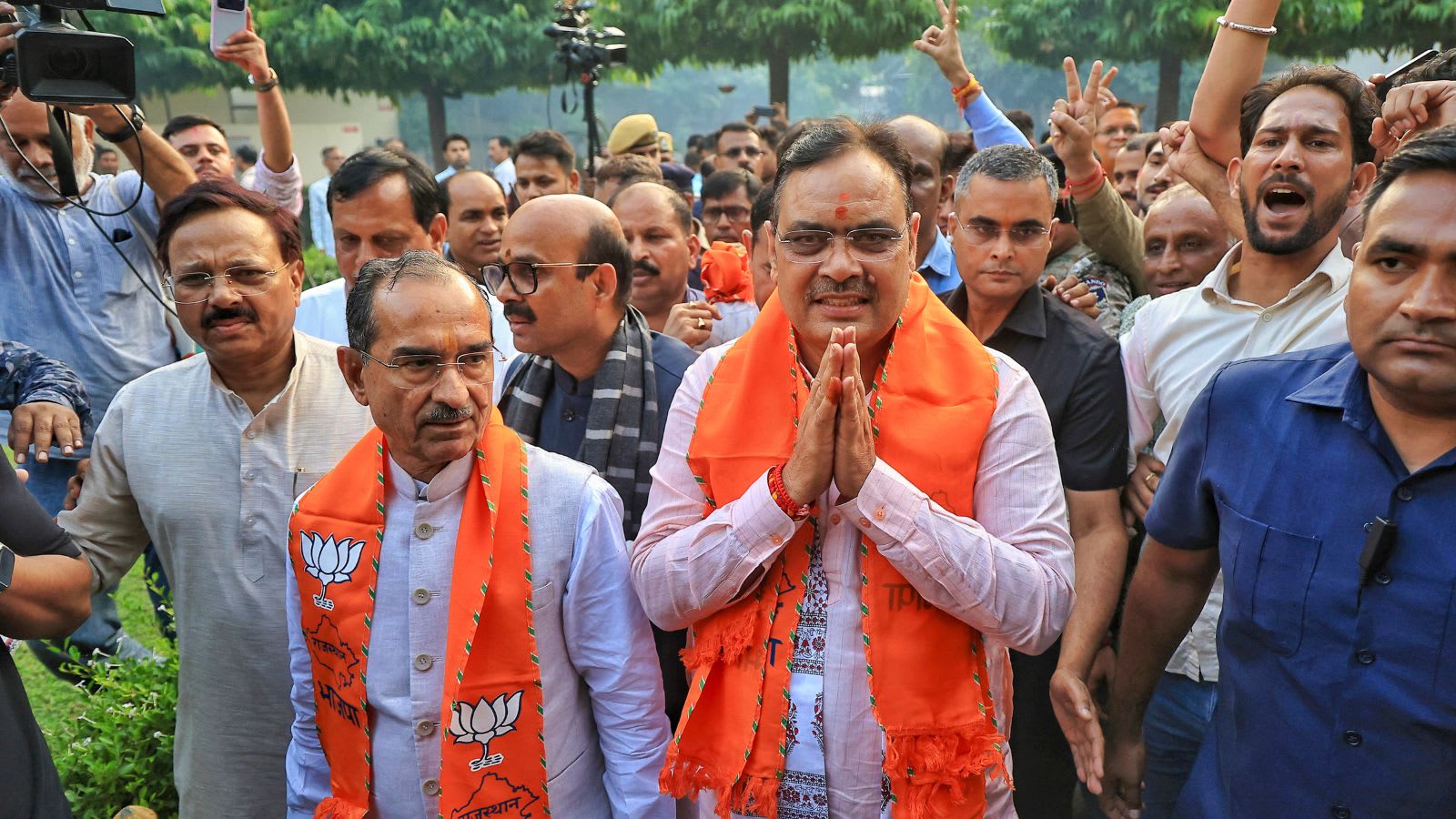
The BJP has secured a majority in the majority of Rajasthan's urban local body elections, despite a notable setback where a candidate received only one vote. These polls are viewed as a critical indicator for the state's political climate ahead of the 2028 Assembly elections.
Rajasthan Local Body Polls: A Mixed Result for the Ruling BJP
The recent urban local body elections in Rajasthan, which concluded with vote counting on September 14, 2026, have provided a significant snapshot of the state's political landscape. As the ruling Bharatiya Janata Party (BJP) navigates the midpoint of its tenure under the leadership of first-time MLA and Chief Minister Bhajan Lal Sharma, these elections served as a crucial litmus test. Despite facing criticism regarding the timing of the polls and perceived delays, the BJP has emerged with a strong performance, set to form boards in a majority of the 309 urban local bodies across the state.
The Electoral Landscape
With 10,245 total wards at stake, the sheer scale of the election underscores its importance as a precursor to the 2028 Assembly polls. By mid-day on counting day, the BJP had secured 1,937 wards compared to the Congress party's 1,646. This performance is a notable "shot in the arm" for the administration, particularly after the opposition Congress had spent weeks highlighting government delays and judicial criticism of the election process to paint the current leadership as ineffective.
The Curious Case of Ward 13
Amidst the broader success of the party, a localized anomaly drew significant public attention. Kailashchand, a BJP candidate in the Parbatsar municipality of the Didwana-Kuchaman district, received only a single vote in Ward 13. The candidate later clarified a logistical mismatch: he was a registered voter in Ward 12, not the ward he was contesting. While the Congress candidate Hina Khanam decisively won that specific ward with 376 votes, the incident highlights the complexities of local candidate selection and the importance of voter base alignment in municipal elections.
The Role of Independent and Minor Parties
While the contest was largely framed as a binary between the BJP and Congress, the role of Independent candidates and smaller parties remained substantial. Official figures indicated that Independents secured 1,040 wards, while parties like the Rashtriya Loktantrik Party (RLP), Bharat Adivasi Party (BAP), and Aam Aadmi Party (AAP) also made modest inroads. This demonstrates that local issues often drive voter behavior toward independent representatives, even when the state-level power dynamics favor the major national parties.
Broader Implications and Future Trends
These results provide a strategic advantage for the Bhajan Lal Sharma administration. By successfully securing a majority in most local bodies, the government has effectively countered the narrative of inertia fostered by the opposition. The ability to manage urban governance at the grassroots level will be pivotal for the BJP as it looks toward the 2028 Assembly elections. Moving forward, the party will likely focus on consolidating these gains to maintain momentum, while the Congress will need to analyze why their critiques of the local government did not translate into a broader electoral victory.
Conclusion
Ultimately, the Rajasthan local body polls reflect a resilient, if imperfect, electoral showing for the BJP. While incidents like the single-vote tally in Parbatsar provide a cautionary tale about candidate placement, the overarching trend shows that the party retains significant support across the state's urban centers. As the dust settles, the focus will shift toward the practical implementation of local policy and the long-term political strategy leading into the next major election cycle.
Multiple Citing Sources