Rift within NDA over implementation of UCC in Bihar
Source Entity
India Latest News: Top National Headlines Today & Breaking News | The Hindu
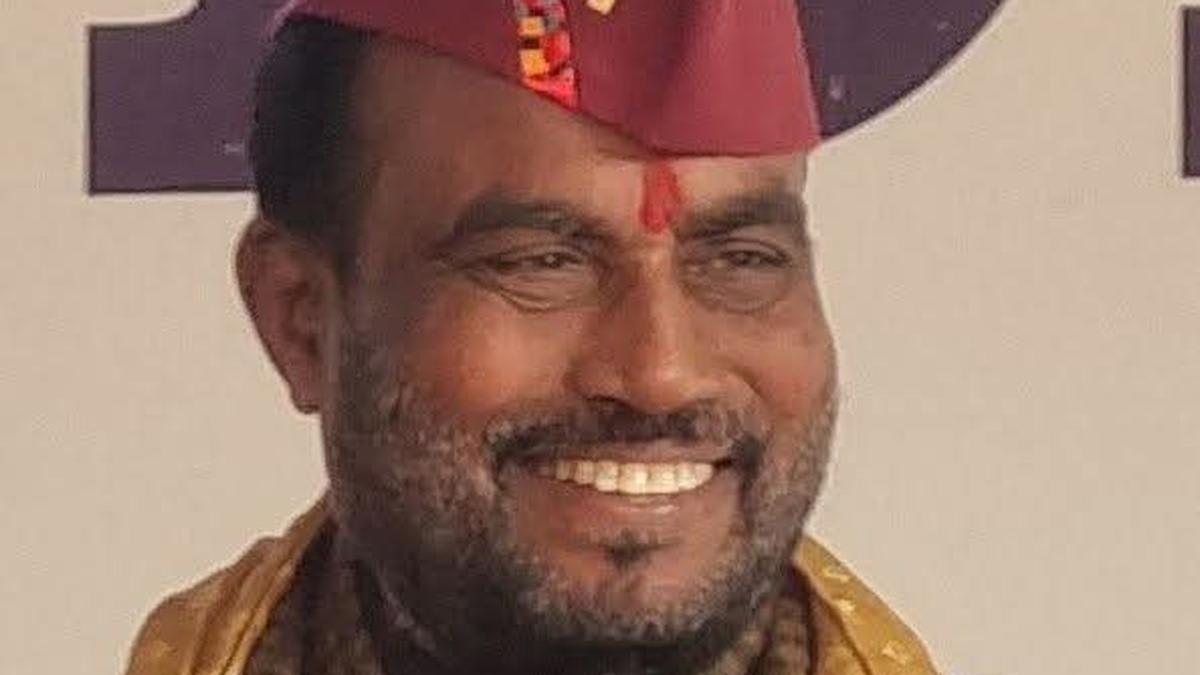
A public disagreement has emerged within Bihar's NDA coalition regarding the Uniform Civil Code (UCC). JD(U) leader Shyam Rajak has explicitly rejected the implementation of the UCC in Bihar, contradicting recent statements made by Union Home Minister Amit Shah.
Internal Tensions Within Bihar's NDA over UCC
The political landscape in Bihar is currently witnessing a significant internal friction within the National Democratic Alliance (NDA) following divergent stances on the implementation of the Uniform Civil Code (UCC). This tension stems from a direct contradiction between the national agenda set by the Bharatiya Janata Party (BJP) and the localized, cautious stance maintained by the Janata Dal (United) (JD(U)).
The Catalyst: Union Home Minister’s Directive
The discourse was ignited by Union Home Minister Amit Shah, who recently announced a definitive timeline for the implementation of the UCC, declaring that it would be enforced by 2029 across all 21 states where the BJP or the NDA holds power. This announcement was clearly intended to consolidate the party's ideological platform at the national level, signaling a push for legislative uniformity regarding personal laws.
JD(U)’s Firm Opposition
In a sharp rebuttal to the Union Home Minister’s timeline, JD(U) MLA and former Minister Shyam Rajak categorically stated that the UCC would not be implemented in Bihar "at any cost." This public declaration highlights the persistent ideological gap between the two coalition partners. Rajak clarified that while the JD(U) had supported the UCC bill in Parliament, this support was procedural and did not equate to an endorsement of its implementation within the borders of Bihar.
Historical Context of the Stance
Rajak’s comments emphasize that this is not a new policy shift for the JD(U) but rather a continuation of Chief Minister Nitish Kumar’s long-standing position. According to Rajak, Nitish Kumar had previously articulated that the UCC would not be applicable in Bihar. This consistency suggests that the JD(U) is prioritizing its specific regional political strategy and social coalition over the broader, centralized legislative agenda pushed by its national ally.
Broader Political Implications
The discord in Bihar serves as a microcosm of the challenges inherent in a diverse coalition government. When national ideological mandates clash with regional political realities, it creates friction that can threaten the stability of the alliance. By taking such a public stand, the JD(U) appears to be signaling to its constituency that it retains autonomy, even while operating within the NDA framework.
Future Outlook and Conclusion
Moving forward, this rift poses a significant challenge for the NDA’s coordination in Bihar. As the 2029 deadline approaches, the pressure on the JD(U) to reconcile its position with the BJP’s national agenda will likely intensify. Whether this disagreement remains a manageable difference in opinion or escalates into a larger political crisis depends on how both parties navigate their competing interests and the sensitivity of the UCC issue in the state's social fabric.
Verification Required?