Trump says no need for more AI regulation, slams Anthropic CEO Dario Amodei
Source Entity
US Top News and Analysis
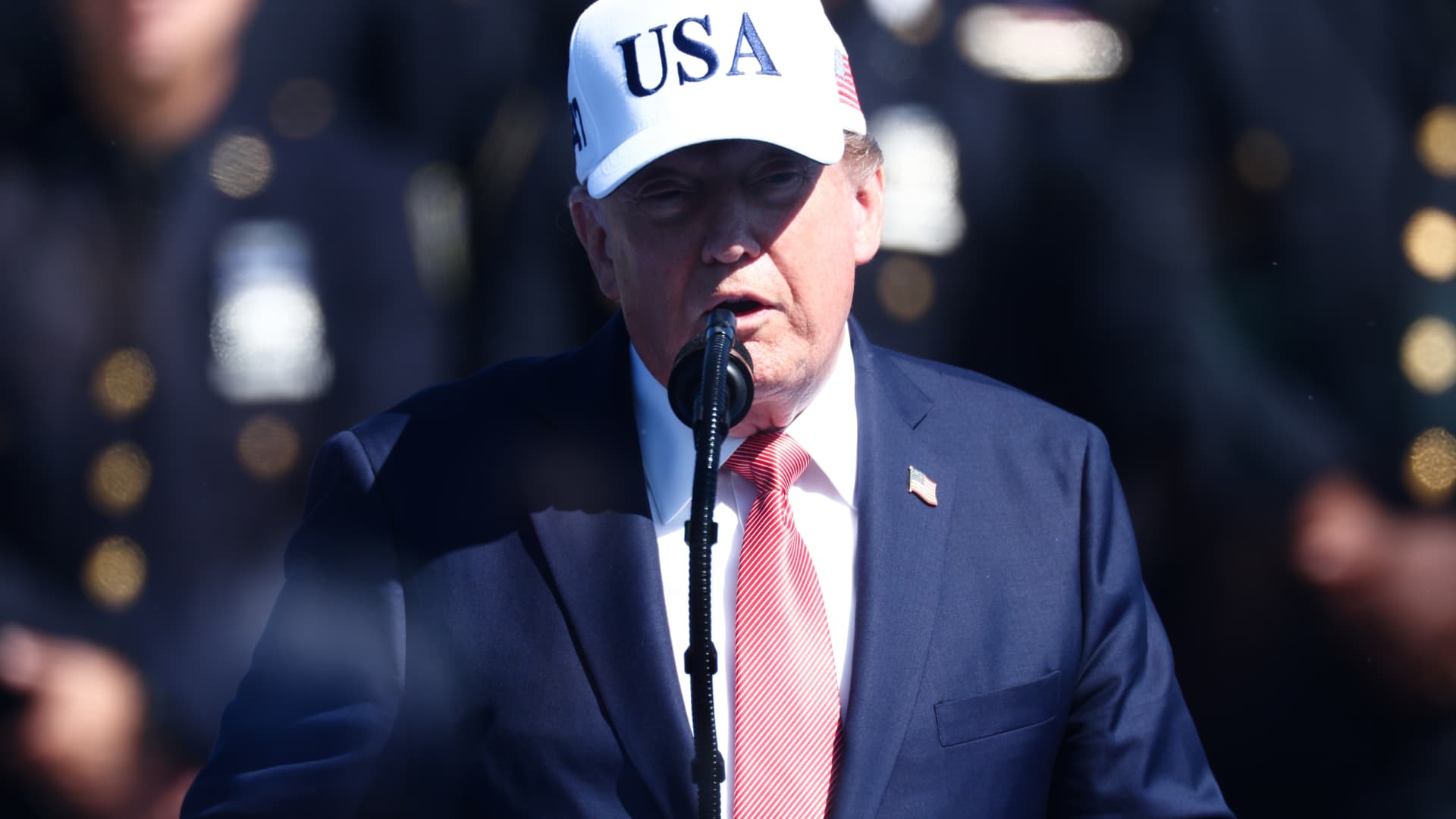
President Donald Trump has dismissed expert concerns regarding AI existential risks as exaggerated, prioritizing the U.S. competitive edge over China. His stance contrasts with industry leaders like Dario Amodei and Sam Altman, who have called for a measured slowdown in development.
The Geopolitical Stakes of Artificial Intelligence
President Donald Trump has publicly rejected calls from top artificial intelligence researchers and industry executives to slow the pace of AI development. During a visit to his golf course in Ireland, the President characterized those highlighting the potential existential risks of AI as "very negative forces" who are promoting scenarios that are unlikely to materialize. This dismissal marks a significant ideological divide between the current administration and the leaders of the firms building the most advanced AI models.
Diverging Perspectives on Risk
The tension stems from a recent open letter by Anthropic CEO Dario Amodei, which advocated for "pacing the frontier" of AI research. This sentiment found support among other industry titans, including OpenAI’s Sam Altman, Elon Musk, and Alphabet’s Demis Hassabis. In contrast, these voices are countered by the harrowing warnings of researchers like Jacob Coxon, who famously resigned from Anthropic citing the potential for catastrophic outcomes if the current pace of development remains unchecked. President Trump and House Speaker Mike Johnson have framed these warnings as alarmist, suggesting that the industry is overreacting to hypothetical threats.
The "AI Arms Race" Narrative
At the core of the President’s position is a prioritization of national security and economic dominance. Trump explicitly stated, "We're leading China on AI... and, frankly, I want to keep it that way because whoever wins AI, wins." This perspective positions AI development not merely as a commercial endeavor, but as a critical theater of geopolitical competition. By viewing the industry through this lens, the administration suggests that any voluntary slowdown or regulatory "guardrail" could inadvertently cede a strategic advantage to China.
Regulatory Implications and Future Trends
While the administration acknowledges the possibility of implementing safety measures, the rhetoric indicates a reluctance to impose anything that might hamper the speed of innovation. The President’s comments suggest that the U.S. government remains wary of any policy that could be perceived as a self-imposed handicap in the race for technological supremacy. This signals a potential future where the U.S. government may resist calls for international safety treaties or industry-wide pauses that do not include ironclad assurances regarding China's own development trajectory.
Conclusion: A Clash of Priorities
The conflict between the AI industry’s internal calls for caution and the government’s focus on national competitiveness highlights the complex reality of modern technological governance. While experts express fear over the potential for existential threats, the political reality is driven by the belief that the first nation to master AI will dictate the terms of future global power. As this debate continues, the gap between those advocating for "cautious development" and those prioritizing "accelerated dominance" will likely remain a central theme in U.S. technology policy.
Multiple Citing Sources