Why BJP is looking to ditch TMC rebels, go solo in Bengal civic polls
Source Entity
Ravik Bhattacharya
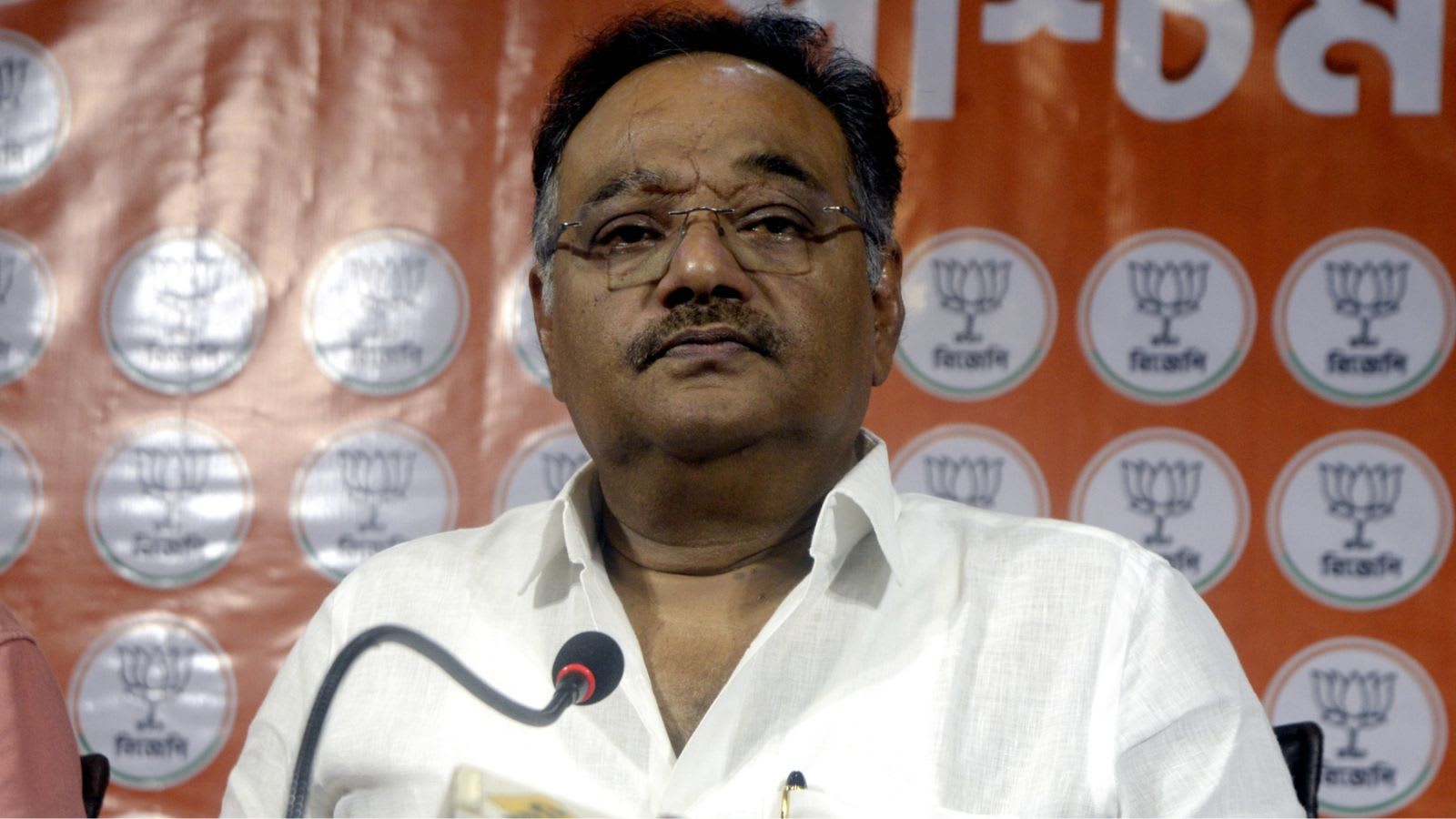
The BJP has officially decided to contest the upcoming West Bengal municipal elections independently, rejecting any formal alliance with TMC rebels in the NCPI. This strategic shift marks a clear break from past associations as the party prepares for significant electoral tests in Kolkata and Howrah.
Strategic Shift: BJP Opts for Solo Path in Bengal Civic Polls
The Bharatiya Janata Party (BJP) has made a definitive strategic decision to contest the upcoming municipal elections in West Bengal without forming alliances, specifically distancing itself from rebel members of the Trinamool Congress (TMC). These individuals, now aligned with the Nationalist Citizens Party of India (NCPI), have asserted a connection to the BJP-led National Democratic Alliance (NDA) at the national level. However, the state leadership has effectively nullified these claims, signaling a firm stance to consolidate the party's own electoral identity.
The Importance of the Kolkata and Howrah Contests
This decision is particularly significant given the timing of the polls. Following a comfortable victory in the recent Assembly elections, the BJP is looking to maintain its momentum. The upcoming contests in the Kolkata Municipal Corporation (KMC) and the Howrah Municipal Corporation (HMC) serve as critical barometers for the party’s urban influence. By choosing to go it alone, the BJP is aiming to test its organizational strength and grassroots reach without the potential baggage or confusion associated with accommodating political defectors.
Impact of Delimitation on the Electoral Map
Adding complexity to these municipal elections is the substantial overhaul of the electoral map due to recent delimitation processes. Changes in ward boundaries and demographic representation often alter the traditional voting patterns in these corporations. By opting for a solo campaign, the BJP is likely positioning itself to appeal directly to voters based on its own manifesto, rather than relying on the shifting loyalties of political figures who have transitioned from the TMC to the NCPI.
Navigating the Post-Puja Political Landscape
The municipal elections are anticipated to take place in the immediate aftermath of the Durga Puja festivities, a period that traditionally signals the start of intense political activity in West Bengal. The BJP's decision to avoid an alliance suggests a long-term goal of building a robust, independent cadre-based structure in the state. By prioritizing party unity and ideological consistency over short-term numerical gains through alliances, the leadership is betting on its ability to capture the anti-incumbency sentiment independently.
Future Implications for Bengal Politics
This move sets a clear precedent for how the BJP intends to manage its relationship with 'rebel' groups in West Bengal moving forward. By explicitly ruling out the NCPI as a partner, the party is attempting to streamline its messaging and avoid the internal friction that often accompanies coalition politics. If this strategy results in a strong performance in the KMC and HMC, it could reinforce the BJP's position as the primary challenger to the ruling TMC, potentially reshaping the state’s political landscape for future cycles.