Maratha protesters will head to Mumbai, says Jarange Patil
Source Entity
India Latest News: Top National Headlines Today & Breaking News | The Hindu
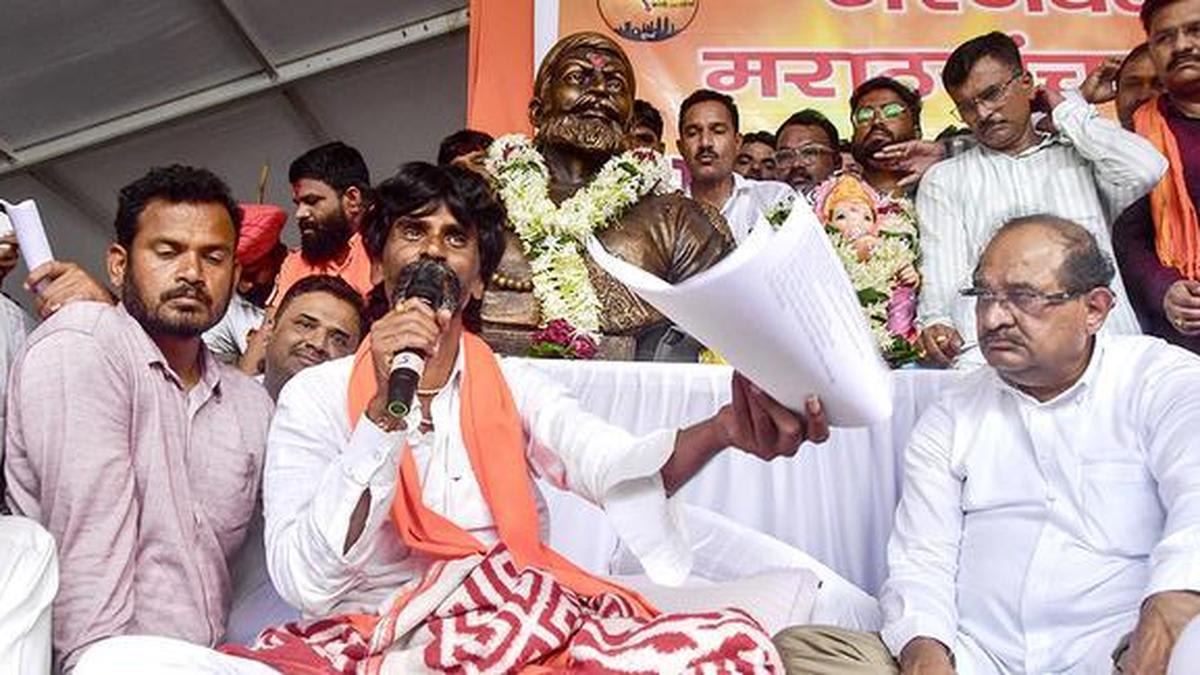
Maratha activist Manoj Jarange Patil has announced plans to march to Mumbai as his indefinite hunger strike enters its 13th day. He is demanding that the government issue reservation certificates based on historical Kunbi records.
The Escalation of the Maratha Reservation Movement
The ongoing agitation led by activist Manoj Jarange Patil has reached a critical juncture, as the protest enters its 13th day on September 10, 2026. The movement, centered at Antarwali Sarathi, has evolved from a localized hunger strike into a significant political challenge for the state government. By announcing a forthcoming march to Mumbai, Jarange Patil is signaling a shift in tactics, moving the epicenter of the discourse from the protest site to the state capital to exert maximum pressure on policymakers.
Core Demands and Historical Records
At the heart of this confrontation is the demand for the recognition of the Maratha community under the Kunbi category. The protesters are specifically calling for the government to issue reservation certificates based on historical entries found in Hyderabad and Satara Gazette records. The contention lies in the validation of these documents; activists argue that existing certificates are being unjustly canceled, and they are demanding a standardized, government-backed validation process that acknowledges these historical records as legitimate proof of identity.
Shift in Protest Strategy
Jarange Patil’s decision to stop waiting for government delegations to visit the protest site marks a hardening of the activist’s stance. By prioritizing the assembly of supporters at Antarwali Sarathi before setting a date for the Mumbai march, the leadership is focused on consolidating its base. This strategy aims to demonstrate the collective strength of the community, turning the movement into a unified force that the administration can no longer manage through informal dialogue.
The Political Implications for the Mahayuti Government
For the current Mahayuti government, the situation presents a complex legislative and social puzzle. Minister Uday Samant’s involvement suggests that the government is aware of the gravity of the situation, yet the impasse remains. The government is caught between the administrative requirements for verifying historical documents and the growing public unrest that demands immediate action. The potential for the protest to reach Mumbai suggests that the government will soon face a logistical and political test regarding how to engage with the demonstrators once they arrive at the seat of power.
Future Trends and Social Cohesion
As the movement gains momentum, the future of the reservation debate will likely hinge on the government's ability to reconcile historical documentation with current legal frameworks. If the state chooses to expedite the validation of Kunbi entries, it may temporarily quell the unrest. However, if the impasse persists, the move toward Mumbai could serve as a catalyst for broader political mobilization across the state. The coming days, particularly leading up to the September 12 announcement, will be pivotal in determining whether the state can achieve a negotiated settlement or if the agitation will escalate further.
Verification Required?