Gujarat Bill seeking to bring private aided schools under scope of Education Act passed
Source Entity
The Indian Express
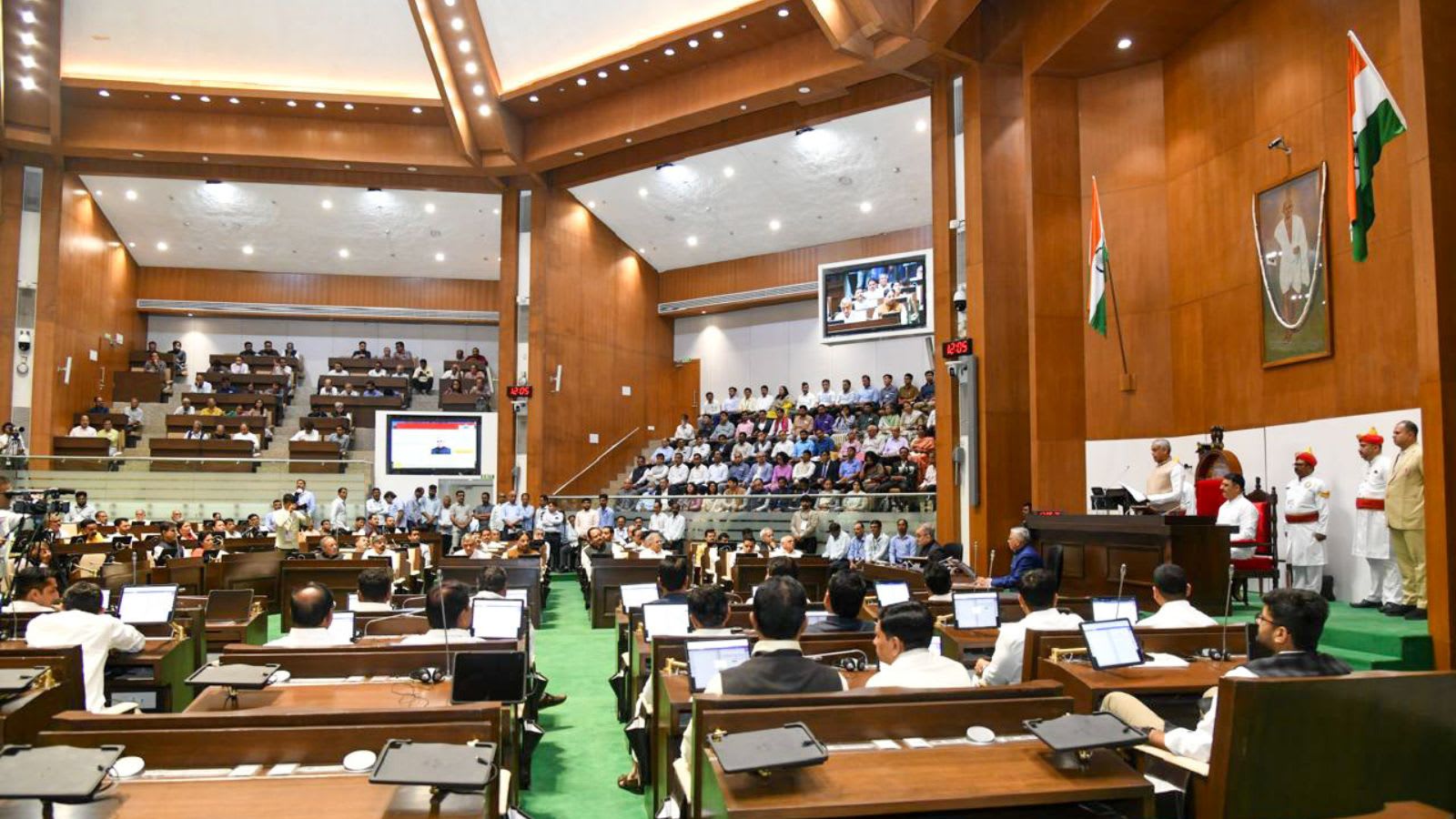
The Kerala High Court has ruled that inter-university transfers for professors require consent, contrasting with a new West Bengal bill that grants the government power to transfer university staff. This highlights a growing legislative tension regarding academic autonomy versus state administrative control.
Judicial Intervention and Legislative Shift in Higher Education
Recent developments in the Indian higher education sector have highlighted a significant divergence between judicial interpretation and legislative action regarding the mobility of university staff. In Kerala, the High Court recently issued a landmark observation asserting that the inter-university transfer of assistant professors under the Mahatma Gandhi University Act, 1985, must be predicated on the explicit consent of the teacher. This ruling, delivered by Justice N. Nagaresh, specifically quashed an involuntary transfer, reinforcing the legal principle that professional mobility within academic institutions should prioritize the agency of the faculty member.
The Kerala High Court Precedent
The case of Sangeetha S., an assistant professor at Devaswom Board Pampa College, serves as a focal point for this judicial stance. The court underscored that, according to Section 68A of the Mahatma Gandhi University Act, transfers are typically intended to be initiated upon the written request of a teacher who has completed a minimum service tenure of three years. By invalidating a transfer executed without consent, the court has effectively protected the professional stability and autonomy of academic staff against arbitrary administrative movement.
West Bengal’s Legislative Counter-Movement
Contrasting sharply with the judicial caution seen in Kerala, the West Bengal Assembly has taken a proactive legislative path. On September 10, 2026, the state passed the 'West Bengal Universities and Colleges (Administration and Regulation) (Amendment) Bill, 2026'. This legislation, introduced by Higher Education Minister Jagannath Chattopadhyay, amends the 2017 Act to include Section 14A. This section empowers the Chancellor, in consultation with the state government, to facilitate the transfer of both teaching and non-teaching staff across state-run universities for administrative reasons.
Balancing Autonomy and Governance
Chief Minister Suvendu Adhikari has characterized this move as an attempt to balance institutional autonomy with government accountability. However, the legislation has sparked significant opposition from various teachers’ associations and academics. The core of the debate lies in whether state governments possess the authority to treat university employees as a mobile, state-wide cadre, or if such actions undermine the specific, localized nature of academic appointments and institutional tenure.
Broader Implications for Academic Governance
The tension between the Kerala High Court’s emphasis on individual consent and the West Bengal government’s push for administrative flexibility reflects a broader national discourse on the centralization of higher education management. While state governments argue that such measures improve administrative efficiency and resource distribution, critics contend that these transfers could be used as tools for political interference or could destabilize long-term research and teaching commitments.
Future Trends and Judicial Scrutiny
Looking forward, it is highly probable that the West Bengal legislation will face legal challenges similar to those adjudicated in Kerala. If the judiciary continues to prioritize the contractual and statutory rights of teachers over broad administrative mandates, state governments may find their ability to restructure higher education staffing significantly curtailed. The coming months will likely see a flurry of litigation as stakeholders seek to define the exact boundaries of state power versus institutional academic freedom.
Multiple Citing Sources